Start with how you live
Think about how you want to use the yard: a flat lawn, a patio, a play area, a garden or all of the above. The goal drives the wall height and layout.
Walk the yard at different times of day. Note sun, shade and where water flows.
Make a short list of must-haves and nice-to-haves before you meet a contractor.
Take photos of the yard from several angles and mark where you want a patio, a lawn or a garden. These pictures help a contractor sketch ideas that match how you live.
Single wall or tiers
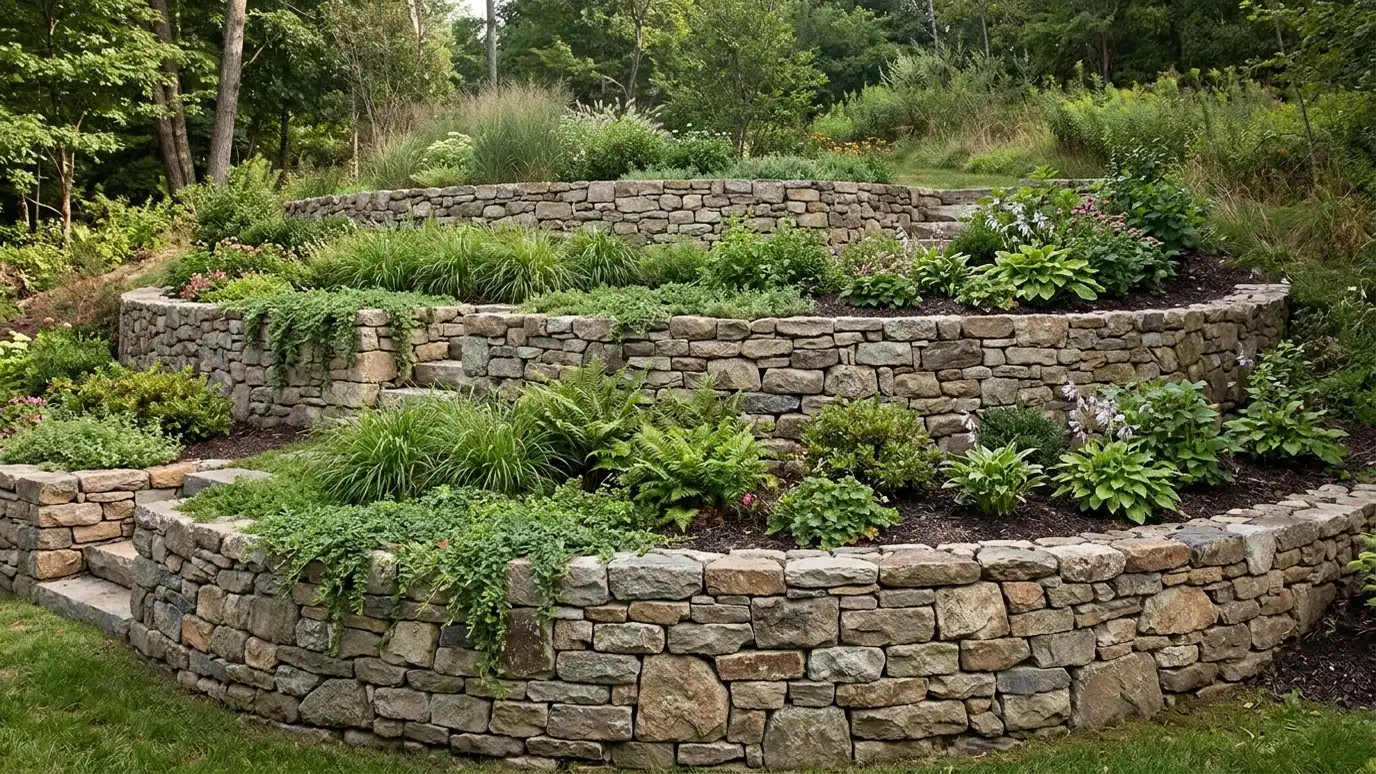
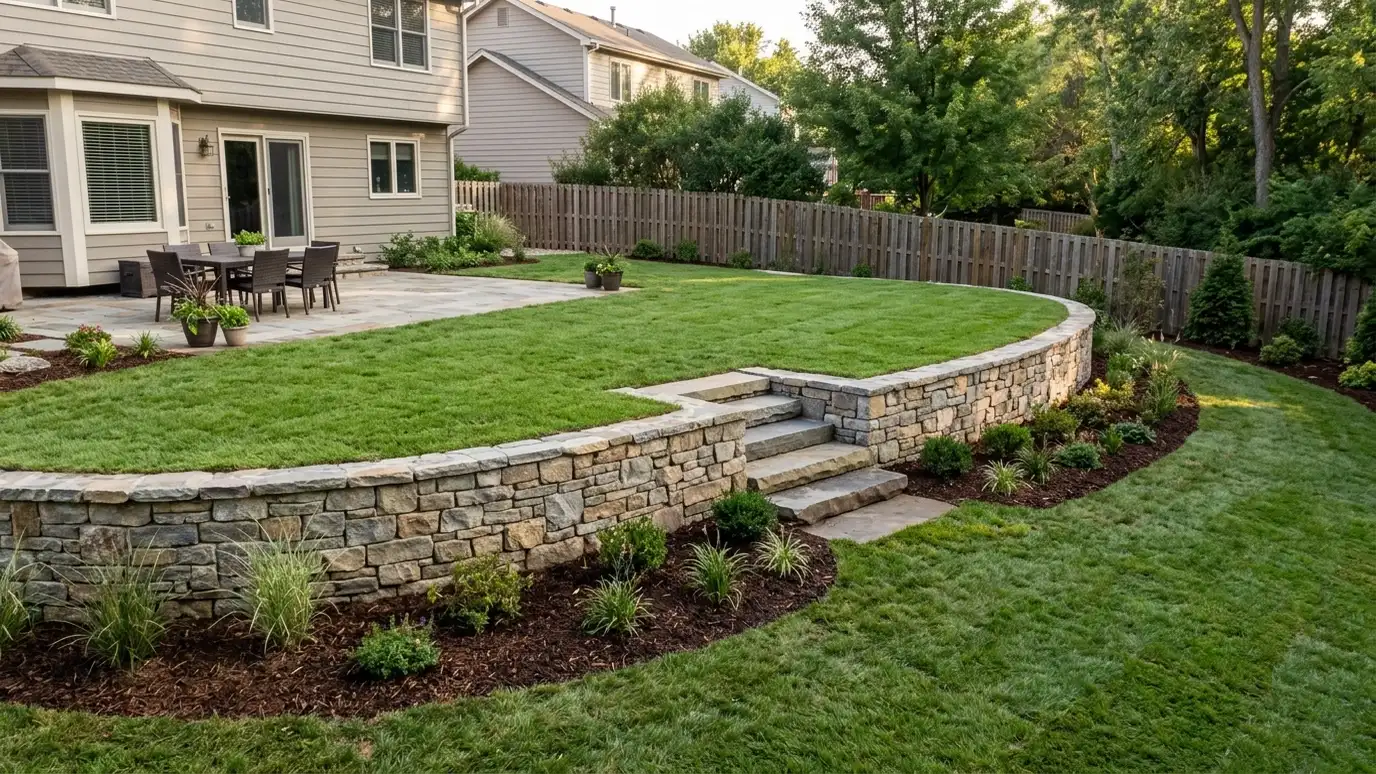
One tall wall creates a big flat area in one move. Tiers create several smaller flat shelves and can look more natural.
Tiers need more horizontal room but spread loads and allow planting between walls.
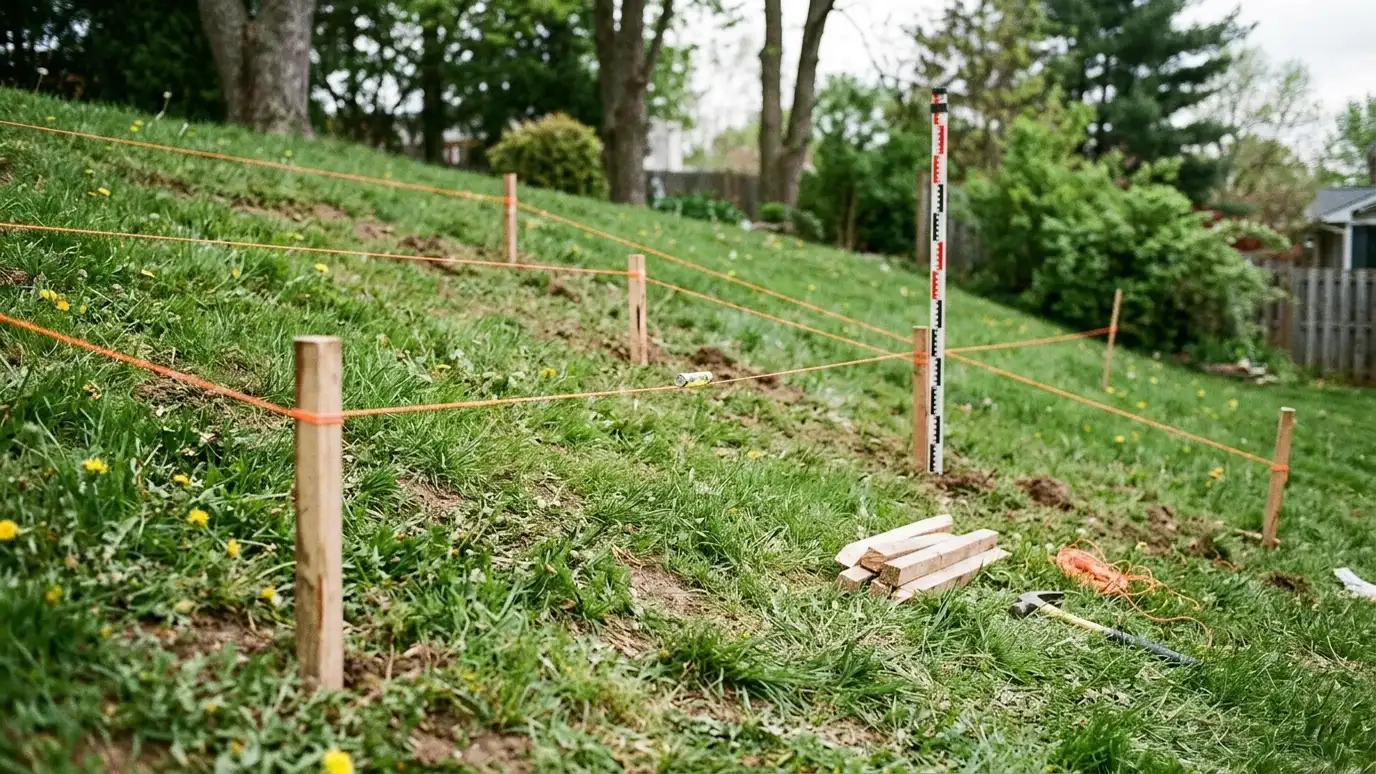
Mark proposed lines with string or paint to see how each option feels.
Try the tier idea with garden hoses or string on the ground. Walking the lines tells you whether the shelves are wide enough for chairs, play or planting beds.
Patios and seating
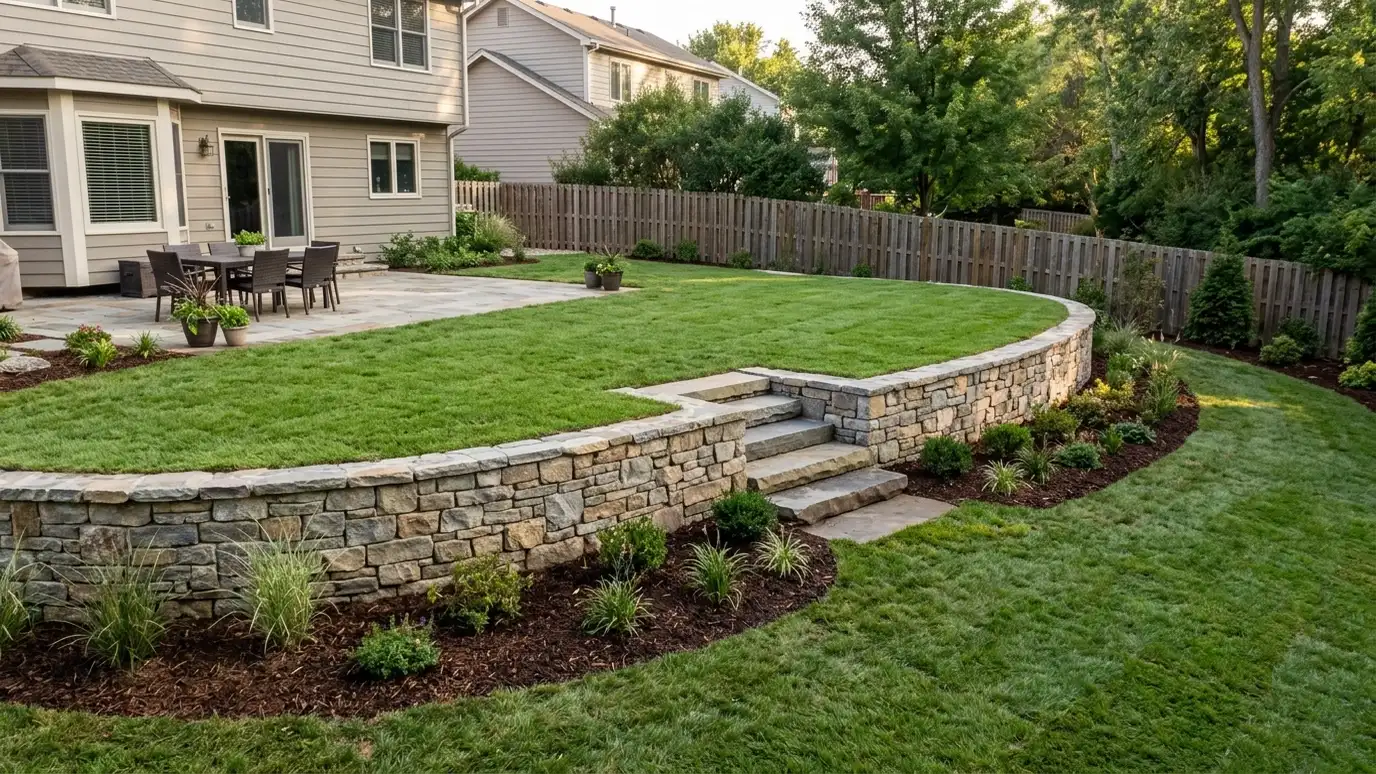
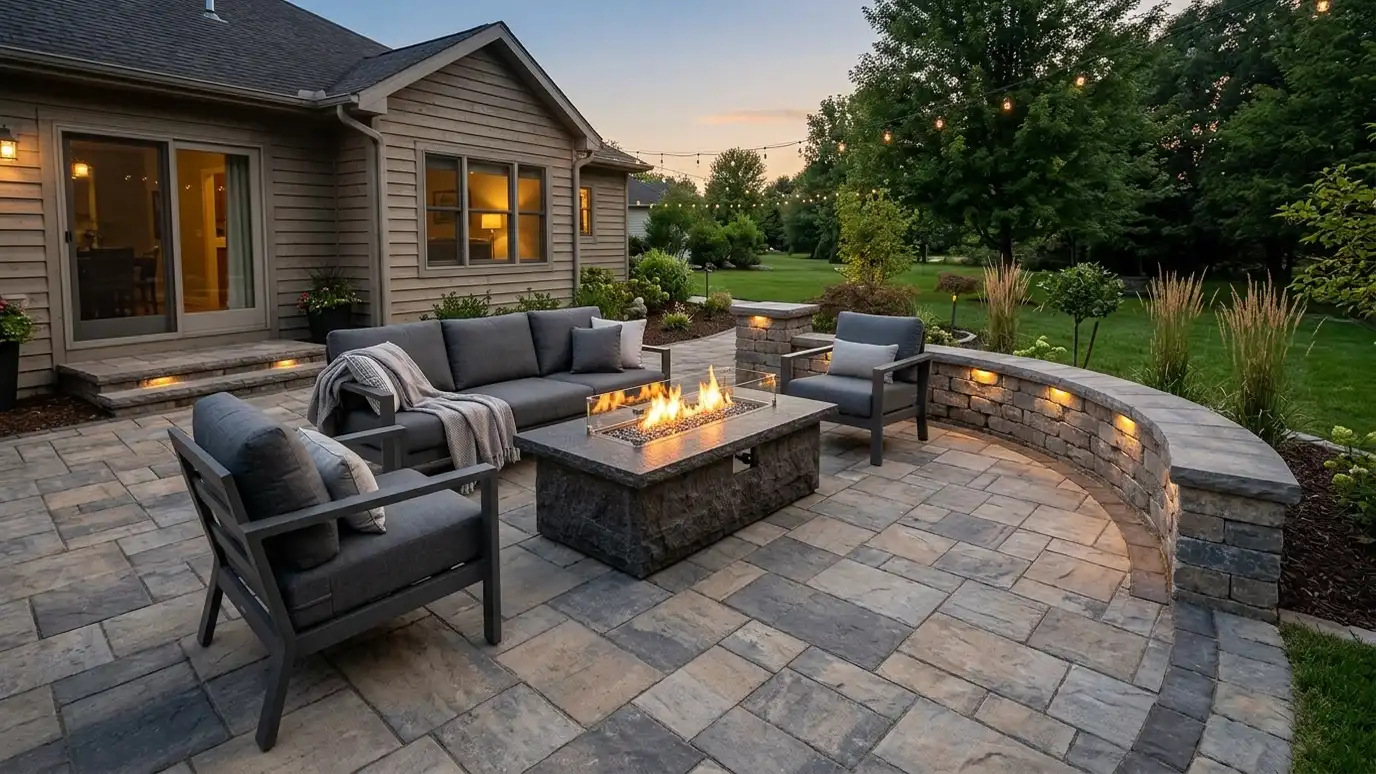
A retaining wall can create a level pad for a patio and become seating at the same time. Wide caps and curved lines make gathering comfortable.
Plan fire pits and outdoor kitchens with the wall so structure and utilities fit.
Lighting under caps adds evening glow.
Think about the next ten years. A patio today may become a pool or an outdoor kitchen later. Planning walls so those changes remain possible saves rework.
Gardens and planting
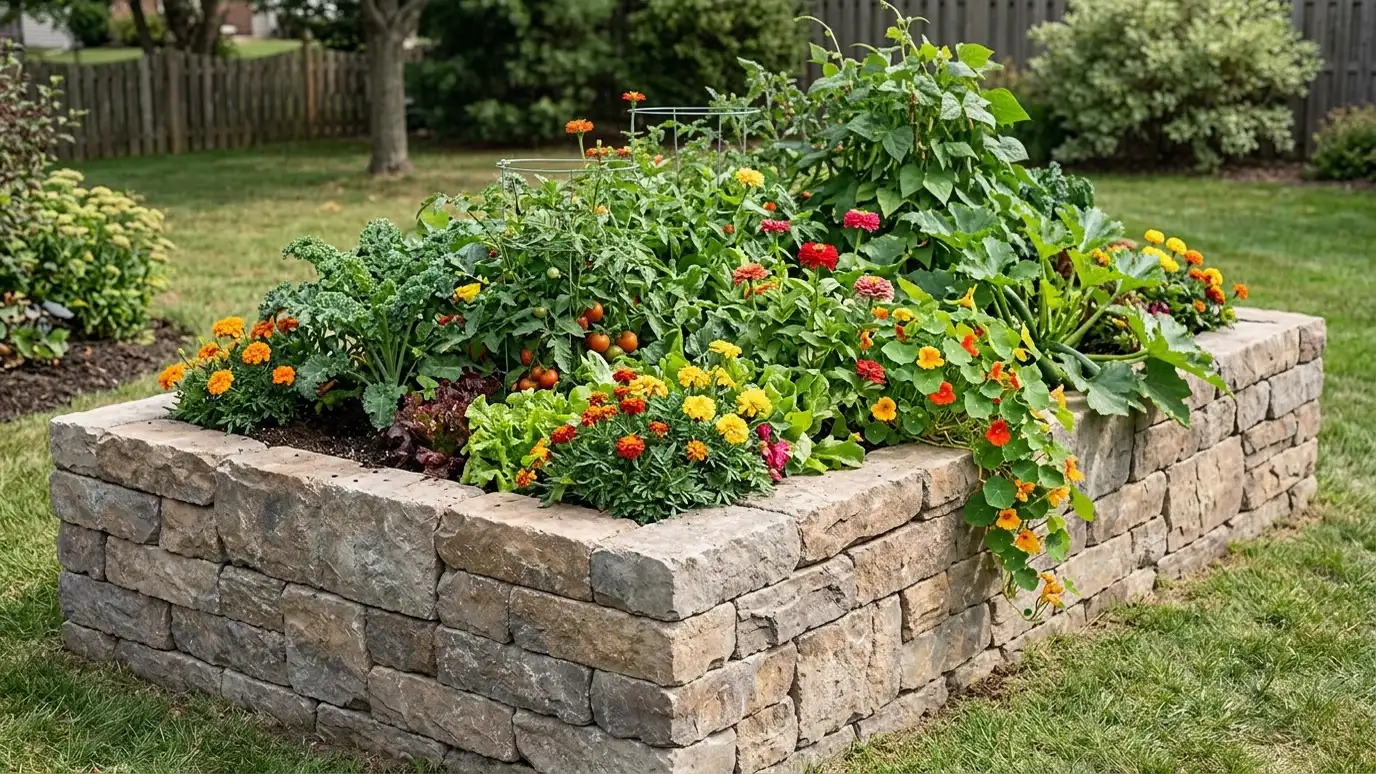
Low walls and raised beds make planting easier and improve drainage. Tiers offer natural shelves for perennials and shrubs.
Choose plants with fibrous roots near walls and keep drains and outlets clear.
Irrigation can be planned during construction.
Choose planting that fits the sun and the wall. Trailing plants over caps, shrubs at corners and groundcover on slopes give a layered look and help hold soil.
Steps and safety
Steps connect levels and make slopes usable. Consistent risers, good treads and lighting matter. Railings may be needed where drops are significant.
Plan paths so wheelbarrows and strollers can move comfortably.
Local rules decide when guards are required.
Make sure steps are comfortable for every person in your household, including guests of different ages. Consistent risers, good light and non-slip surfaces matter more than style.
Water and drainage
Every backyard wall needs a plan for water. Drain pipe, clean stone and outlets protect walls, and grading keeps water away from the house.
Downspouts and neighbors matter too.
A good contractor looks at the whole yard, not just the wall.
Walk the yard after a heavy rain if you can. Where water pools or runs shows where drains and swales should go, and it often changes the design of the walls.
Decide how you want to use the yard first, then let wall height, tiers and drainage follow that goal.