Planning and design come first
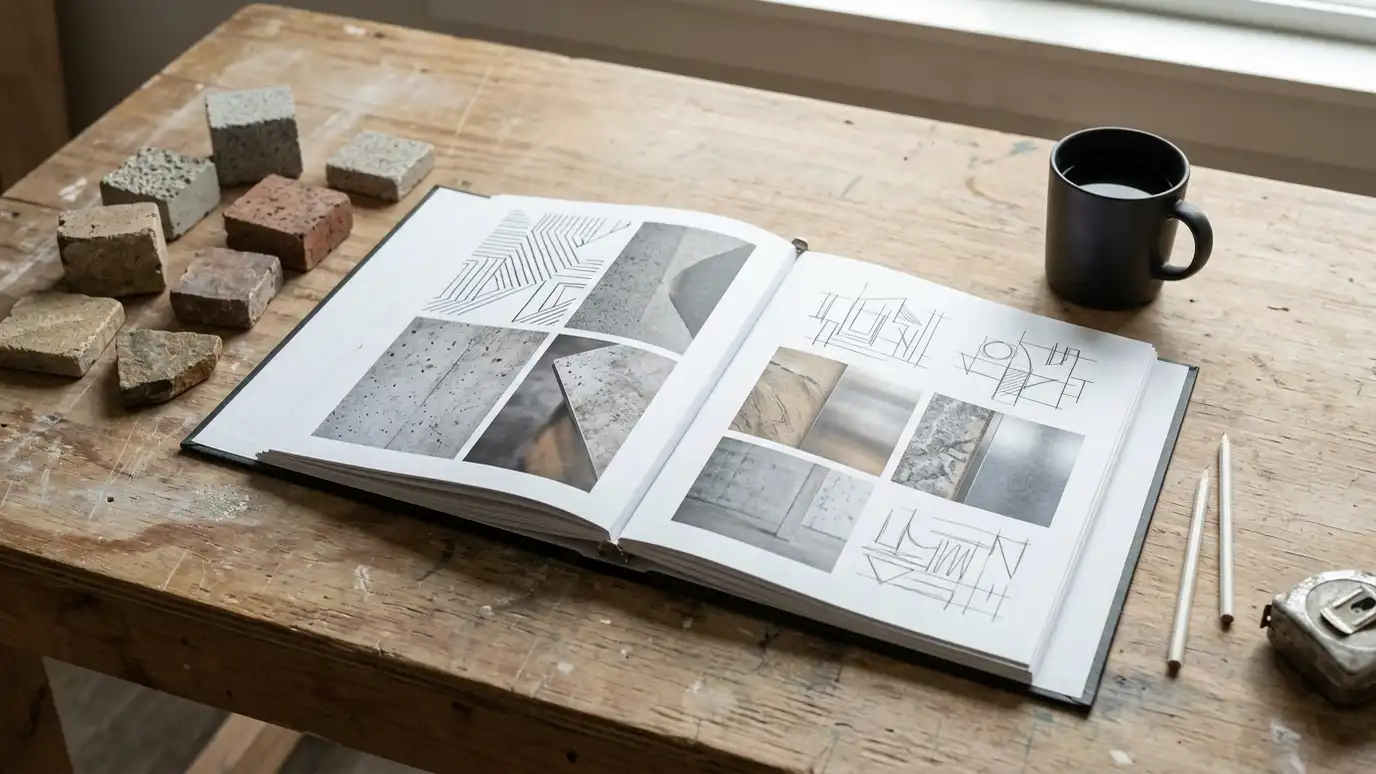
Before work starts, there is time for the estimate, design and ordering. Simple walls move quickly. Engineered walls need drawings and review.
If permits or HOA approval are involved, allow extra time for review.
Starting early keeps crews and materials lined up.
Start conversations early if you have a deadline, such as an event or a house closing. Booking schedules fill in good weather, and design and permits can take longer than expected. Early planning gives you more choices.
Materials and lead times
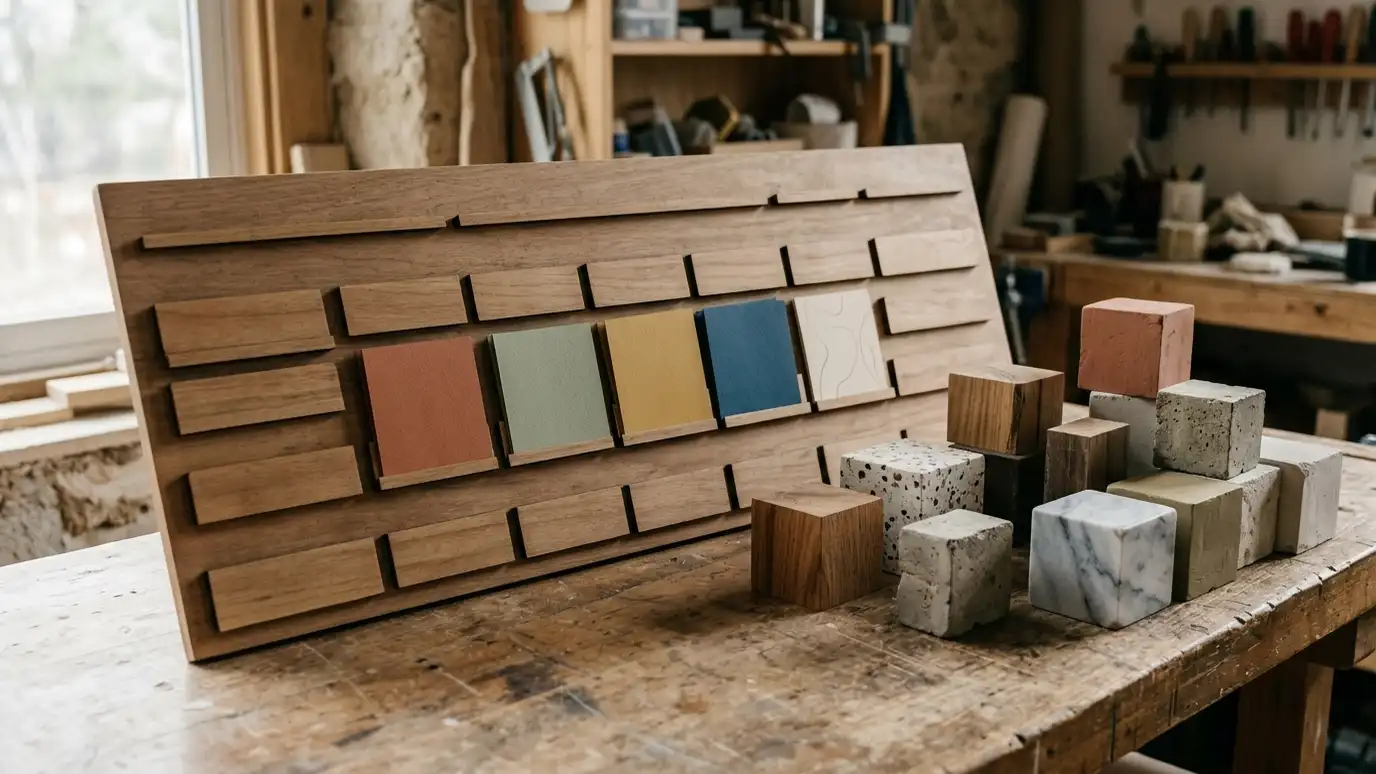
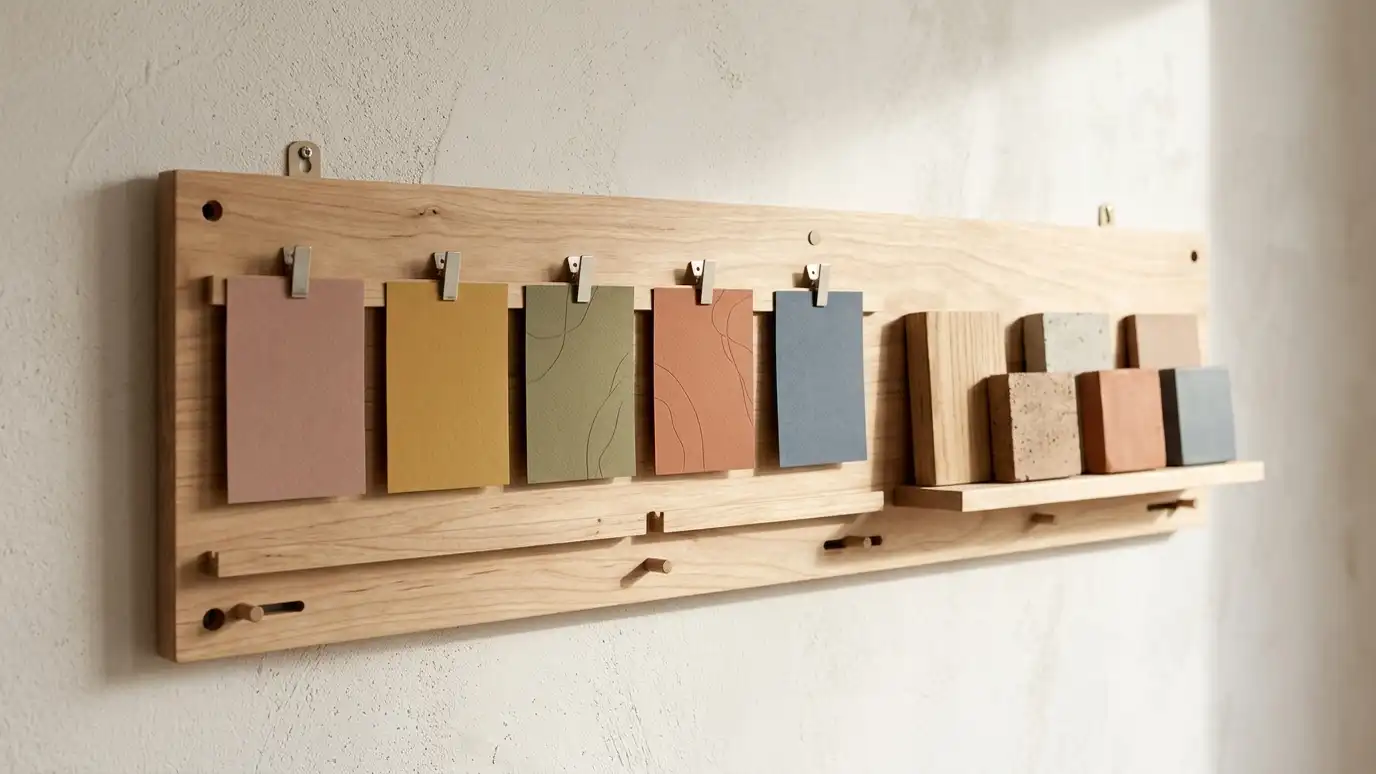
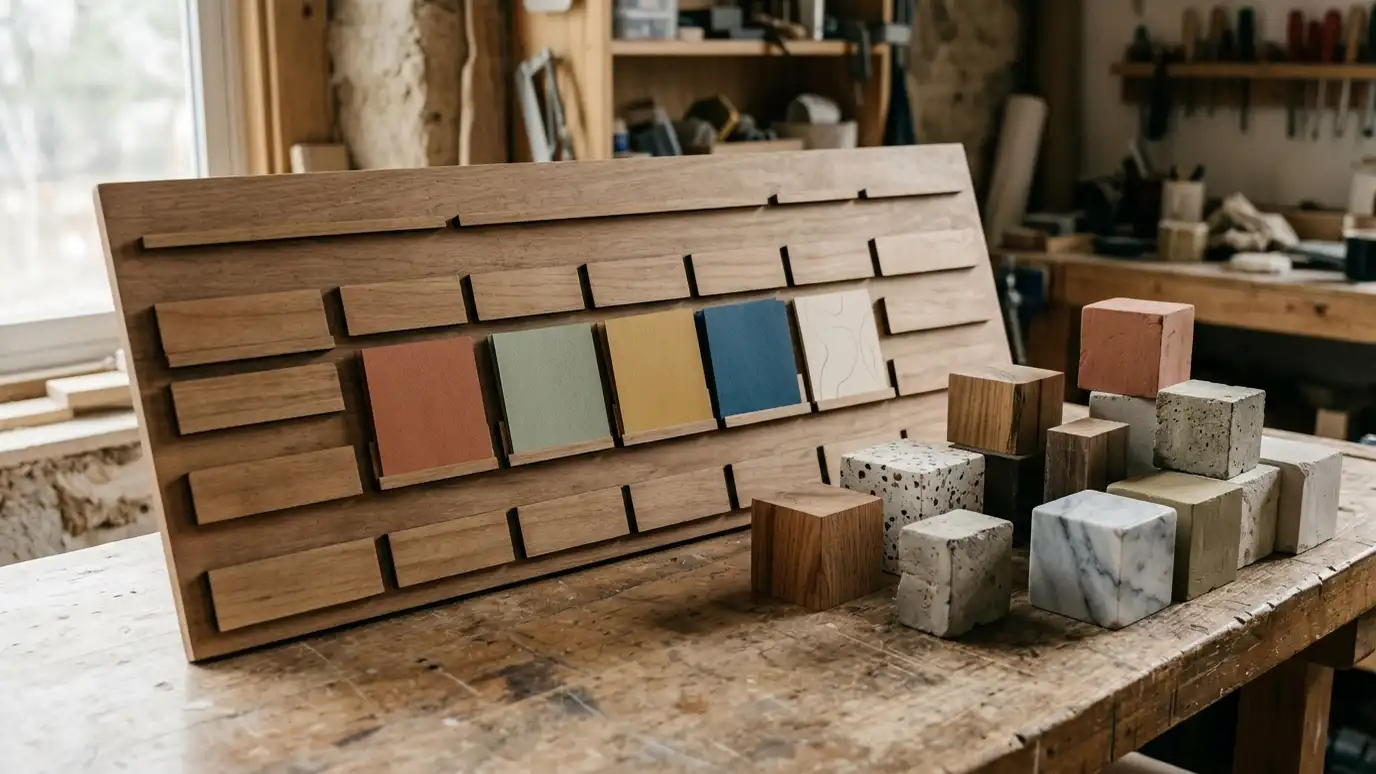
Common block and stone are often available quickly. Special colors, large precast units and custom stone can take longer to arrive.
Delivery and staging also take planning, especially on tight sites.
Ask your contractor to confirm lead times before setting a start date.
Ask your contractor to confirm material availability in writing. Delivery dates for special items can shift, and knowing about it early lets you adjust the plan instead of waiting on a pile of missing pieces.
Excavation and base
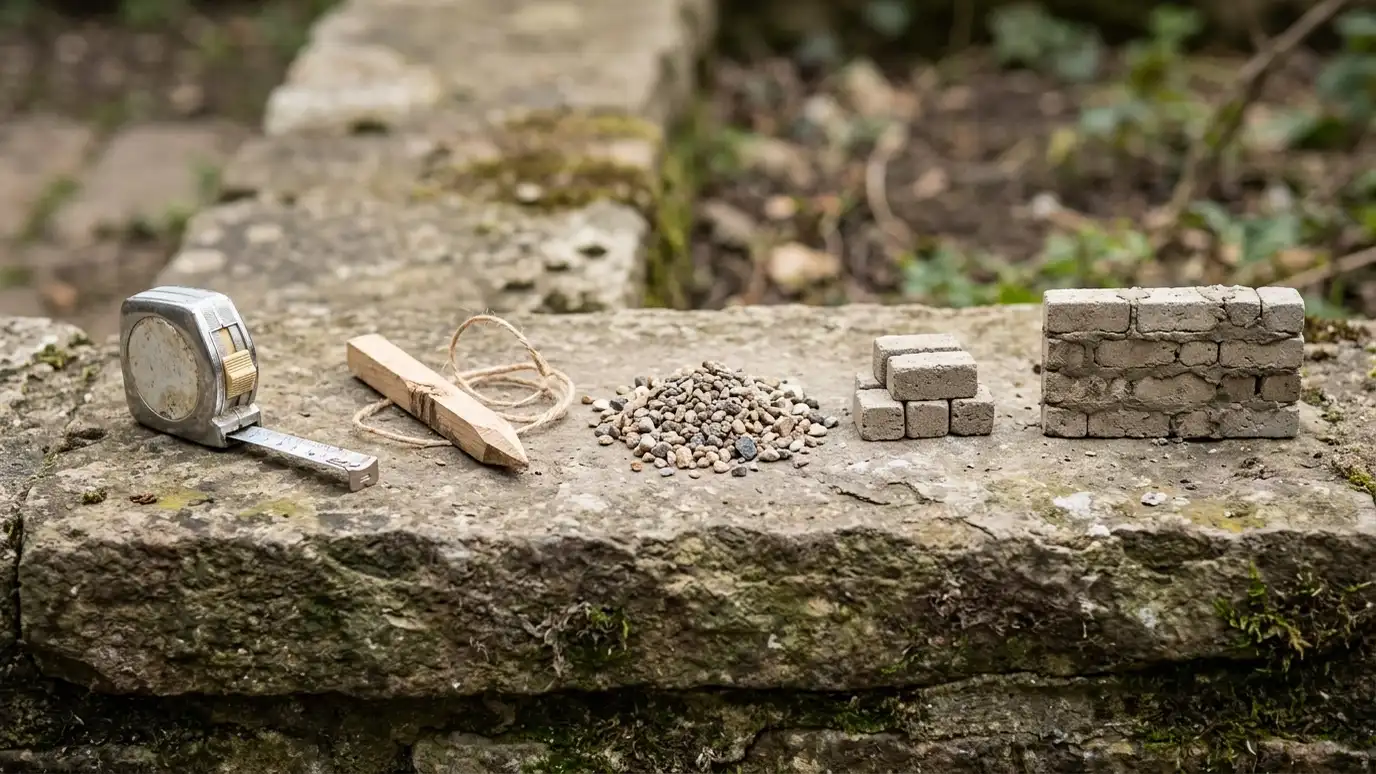
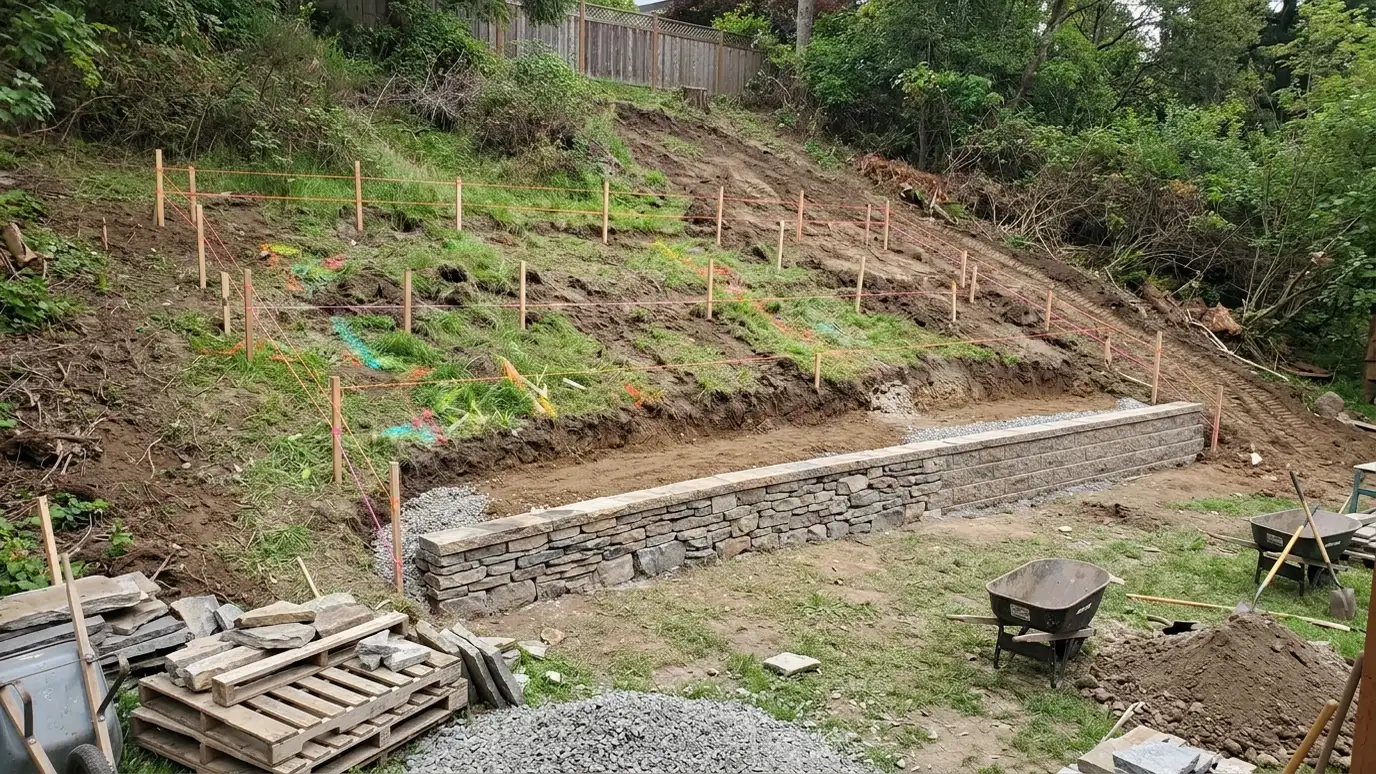
Digging, hauling and building the base can take days for small walls and longer for big ones. Rock, soft soil and tight access slow work.
A good base is not a place to rush. It sets the quality of every course above.
Weather, especially heavy rain, can pause excavation.
Be ready for the excavation stage to uncover surprises. Rock, roots and old fill can add time. A contractor who plans for contingencies and tells you quickly about changes keeps the project moving.
Wall construction
Block walls rise in courses, and speed depends on height, length, reinforcement and detail work. Poured walls need forming, pouring and curing time.
Curves, steps, corners and caps add hours.
Crews work in sections so drainage and backfill keep pace with the wall.
Remember that quality takes time. A rushed base or hurried backfill can cause problems later. A realistic schedule includes time for compaction, checks and careful finishing.
Weather and seasons
Rain makes soil heavy and slick. Cold slows concrete curing. Hot days can be hard on crews and materials.
Contractors schedule around forecasts, and a few weather days are normal.
Spring and fall are popular, so booking early helps.
Talk about how weather will be handled. Crews often cover open excavations, adjust sequences and use dry days for the most sensitive work. Flexibility on your side makes weather delays easier on everyone.
Finishing and cleanup
Caps, steps, lighting, planting and restoration finish the job. Final grading and cleanup take time and make a big difference.
A final walk-through creates a short punch list.
Your contractor should give a realistic estimate and update you as conditions change.
Ask for a simple schedule with milestones, such as start, base complete, wall complete and cleanup. Milestones make progress visible and help you plan around the work.
Ask for a schedule that separates design, permits, materials and construction, and expect a few weather days.