Why build garden walls
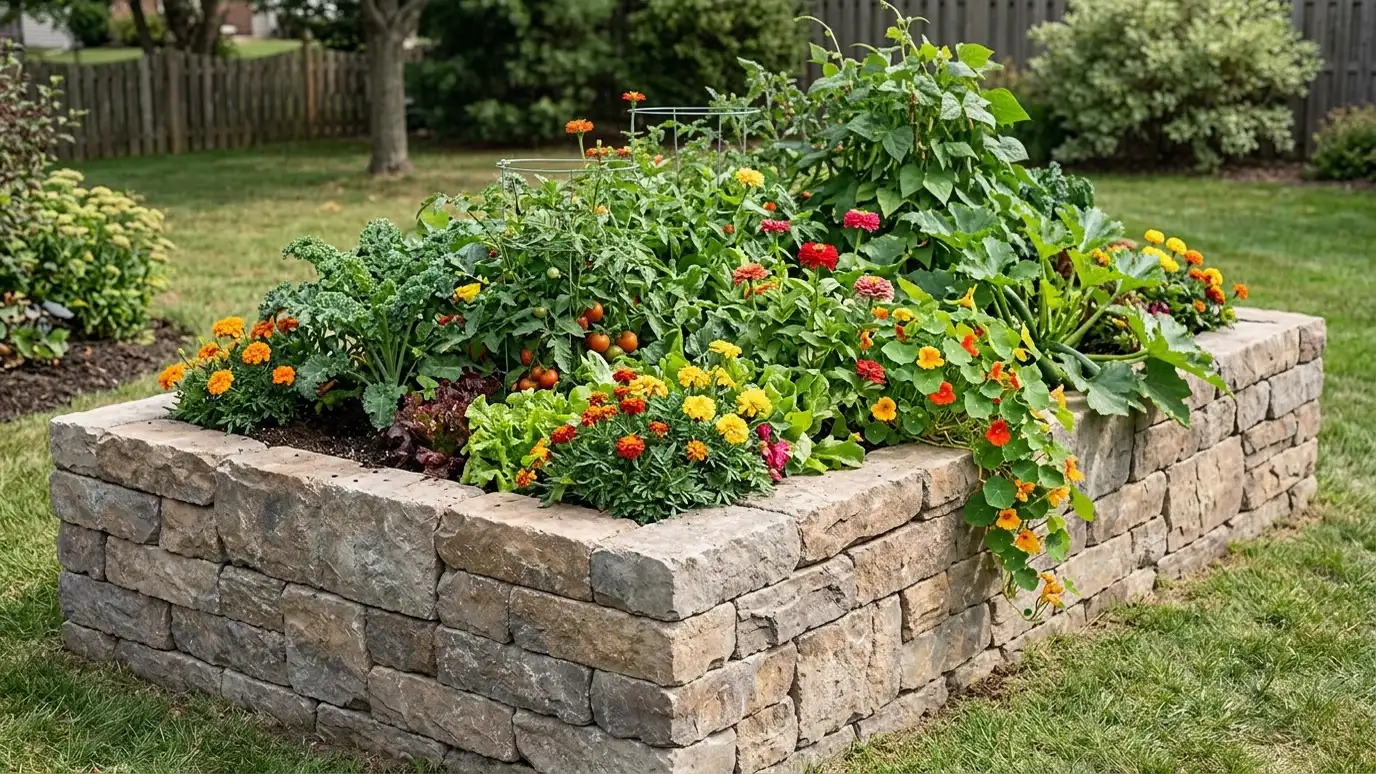
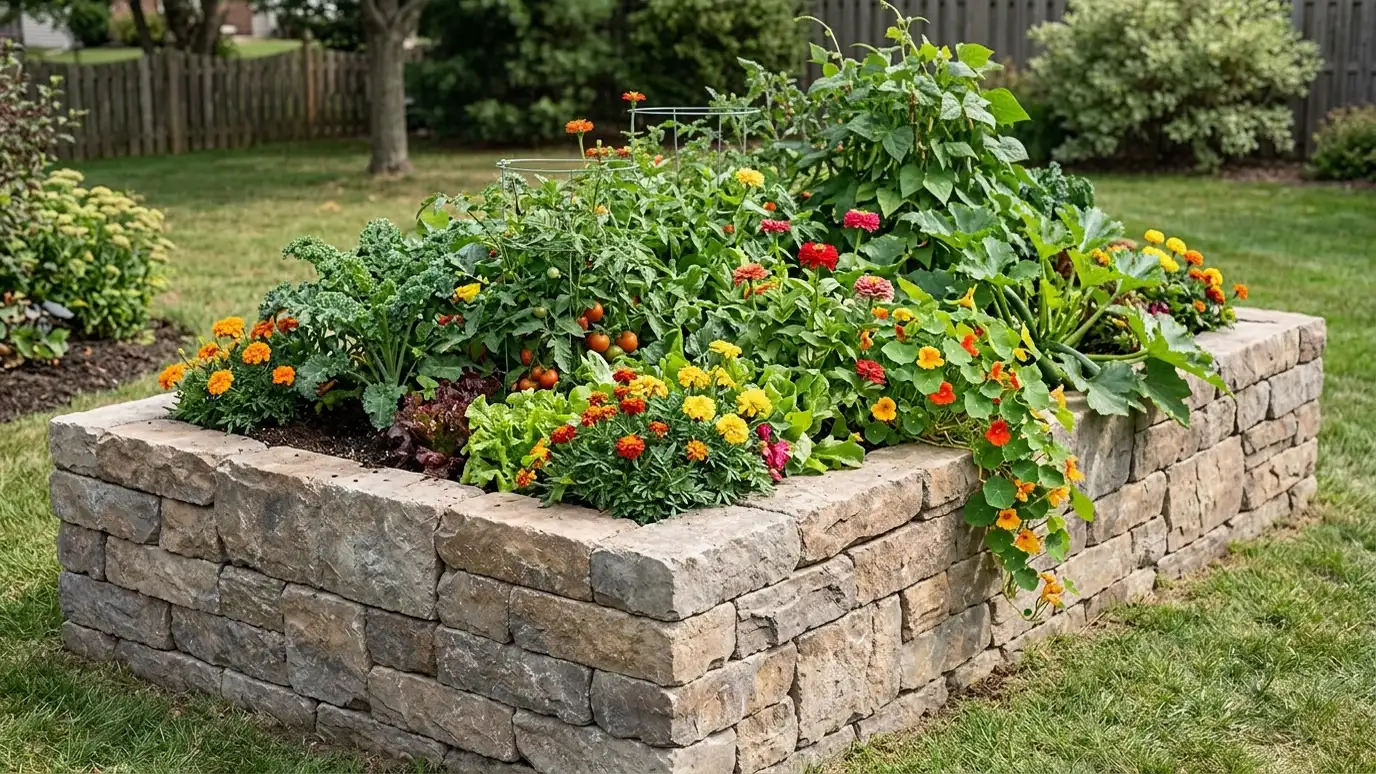
Low walls define spaces, hold soil and improve drainage. Raised beds warm earlier, ease bending and let you fill with good soil.
They also give a garden structure all year.
Many owners start here.
Think about how you will reach every part of the bed. A bed that is too wide to reach from the edges becomes hard to work, so width matters as much as height.
Start small if you are unsure. One well-built bed or a short seat wall teaches you how you use the space, and you can add more walls later in the same style, using the same materials, so the garden grows into a connected design.
Choosing a height
Knee height suits color beds. Waist height eases gardening. Seat height doubles as seating.
Taller walls need more structure and sometimes engineering.
Think about reach and access.
Ask about edge details. Rounded caps, flat tops and bullnose edges feel different and can change how comfortable the wall is to sit on.
Materials
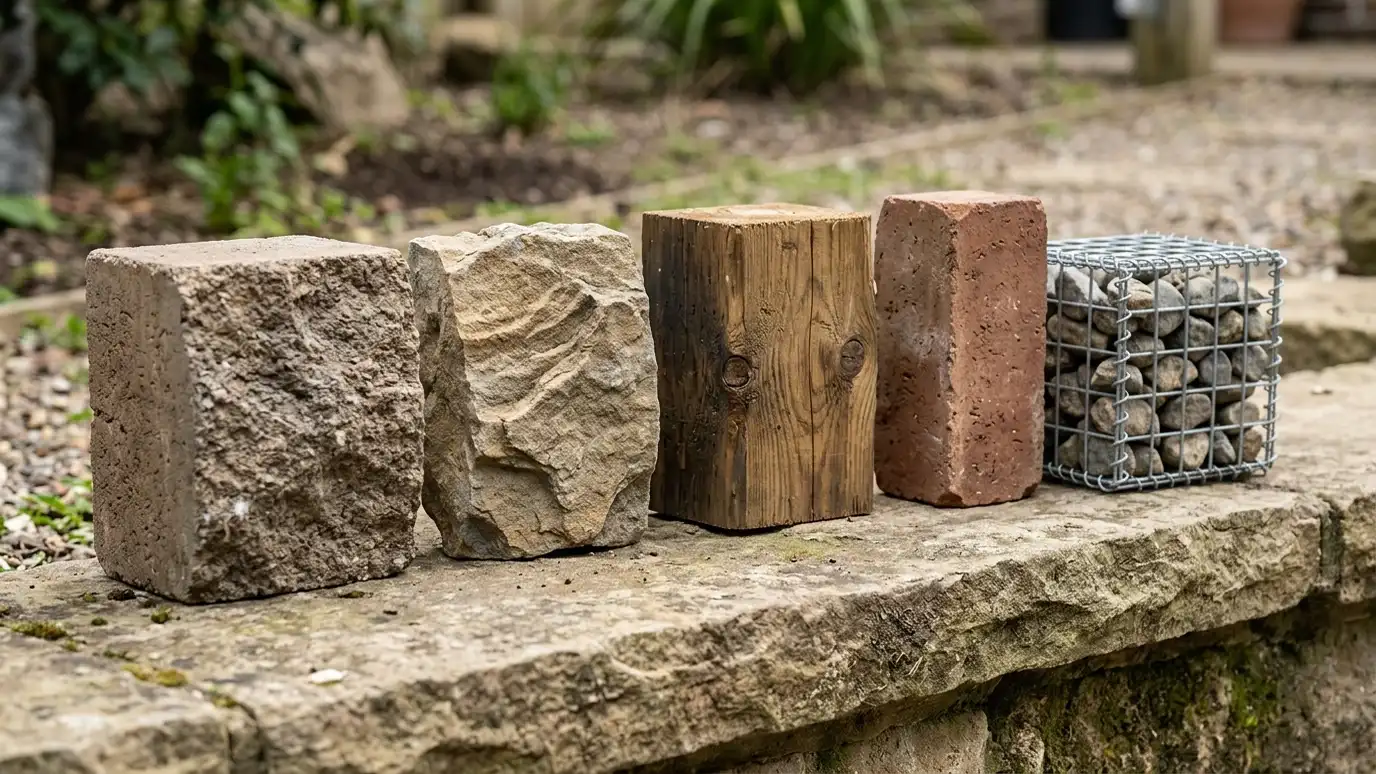
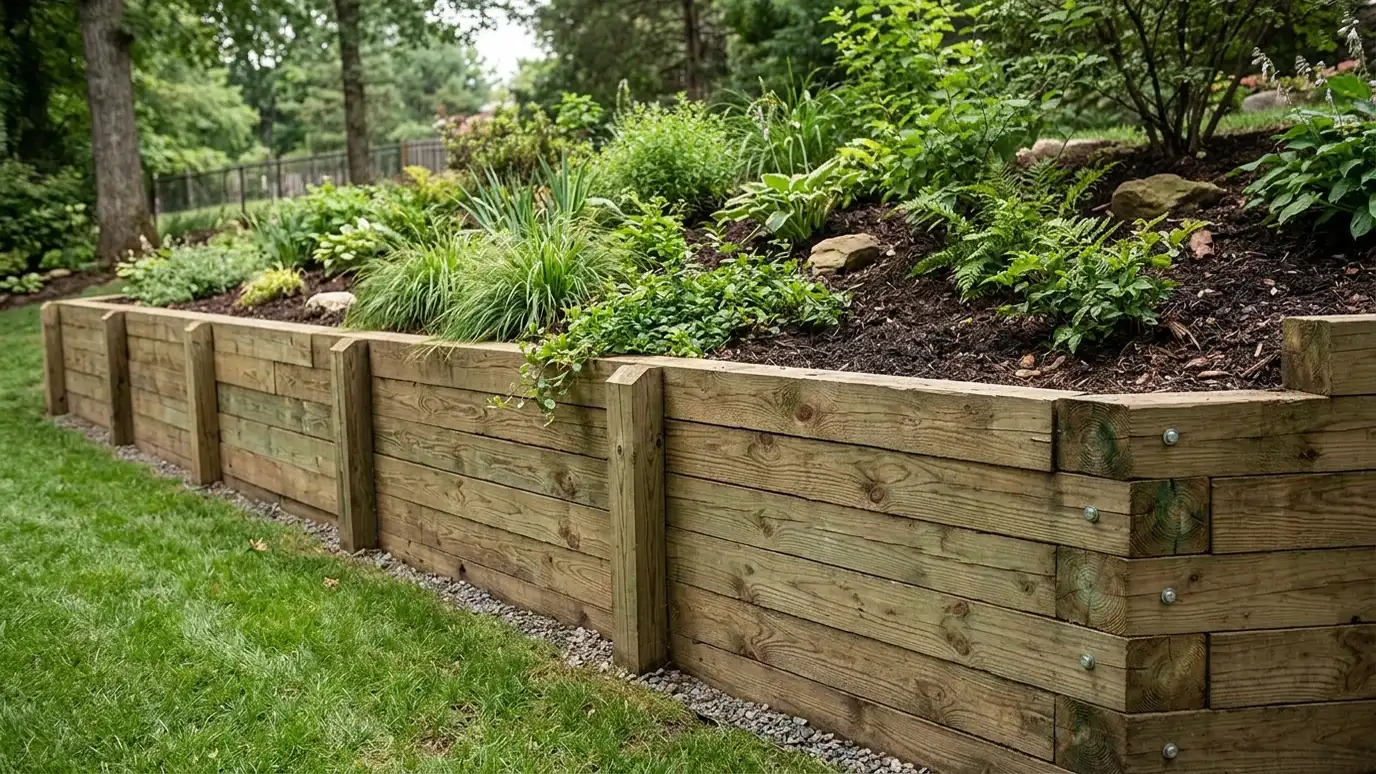
Block, natural stone and brick last long. Timber is simple and warm for short walls.
Match your home and landscape.
Samples help.
Keep a few spare pieces from your build. Extra block, caps or stone make future repairs easier and help colors match.
Choose materials with the whole yard in mind. Using the same stone or block color on the wall, the steps and the patio edge makes a garden feel planned. A single contrasting cap or accent can add interest without making the design busy.
Drainage and soil
Beds need drainage so roots do not sit in water. Open bases and outlets matter.
Fill with quality soil and mulch.
Plan irrigation sleeves.
Plan paths between beds wide enough for a wheelbarrow, and put hose bibs and irrigation lines where they will be needed.
Plant choices
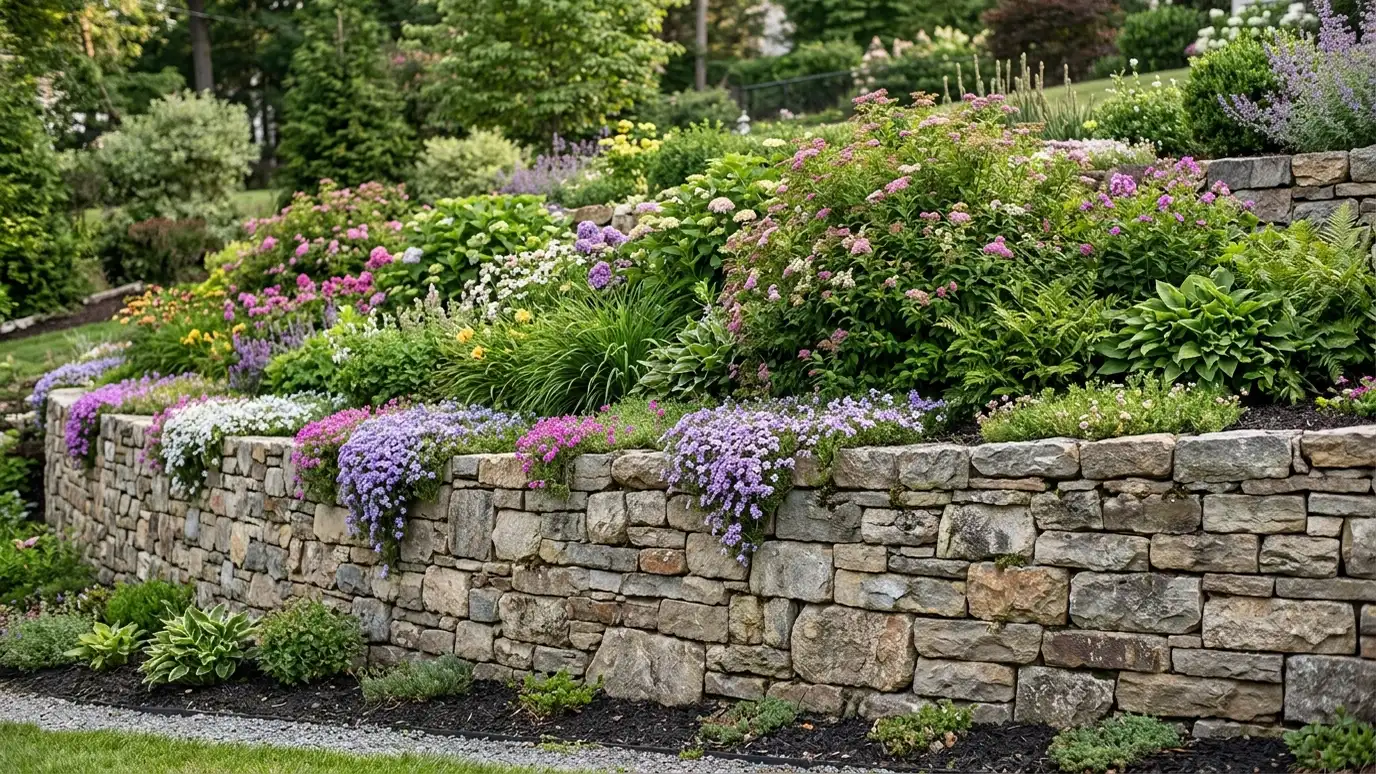
Choose plants for sun, water and mature size. Trailing plants soften edges.
Avoid large trees close to walls.
Keep outlets clear.
Use mulch lightly around plants and keep it away from drains and outlets. Healthy plants and open drains both protect the wall.
Think about water as you plan plantings. Group plants with similar needs, place thirsty ones near the hose bib and use mulch to hold moisture. Healthy, well-spaced plants shade the soil, which reduces weeds and protects the base of the wall.
Seating and extras
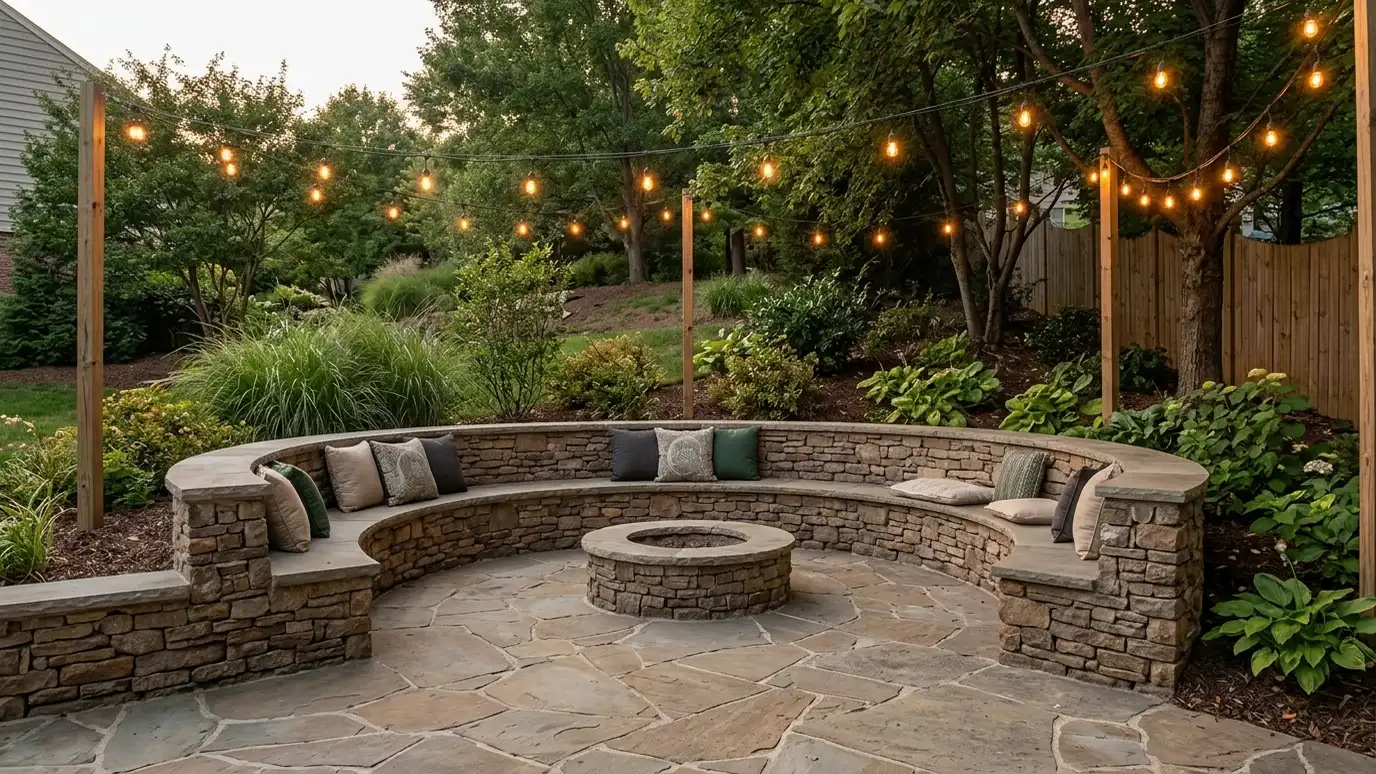
Wide caps create benches. Lighting, trellises and paths complete the garden.
Plan utilities before walls are closed.
Leave room for wheelbarrows.
Add simple lighting if you enjoy evenings outside. A few low fixtures under caps make a garden feel inviting and help prevent trips.
Pick the bed height for the way you garden, plan drainage and choose materials that match your home.