
A federal science program that studies landslides, their causes and warning signs and shares maps and information.
The U.S. Geological Survey, known as USGS, runs a Landslide Hazards Program that studies where and why landslides happen and shares information, maps and research. Steep slopes, heavy rain and saturated soil are common ingredients. Owners in Nashville with hillside lots can read about how landslides start and what warning signs, such as new cracks and leaning trees, may suggest.
We are a private company and are not part of USGS. We are not geologists, and we encourage owners with serious slope concerns to consult a geotechnical professional. We use general slope knowledge to plan walls, drainage and terraces, and we explain warning signs we look for during a site visit. The official site is a good place to read about hazards and learn how scientists describe them.
Visit the official USGS website
Research and public information about landslides.
Slope, soil, water and loading all play roles.
Cracks, bulges and leaning trees may signal movement.
Regional information about hazards.
Professionals can evaluate serious concerns.
Walls and drainage are tailored to each site.
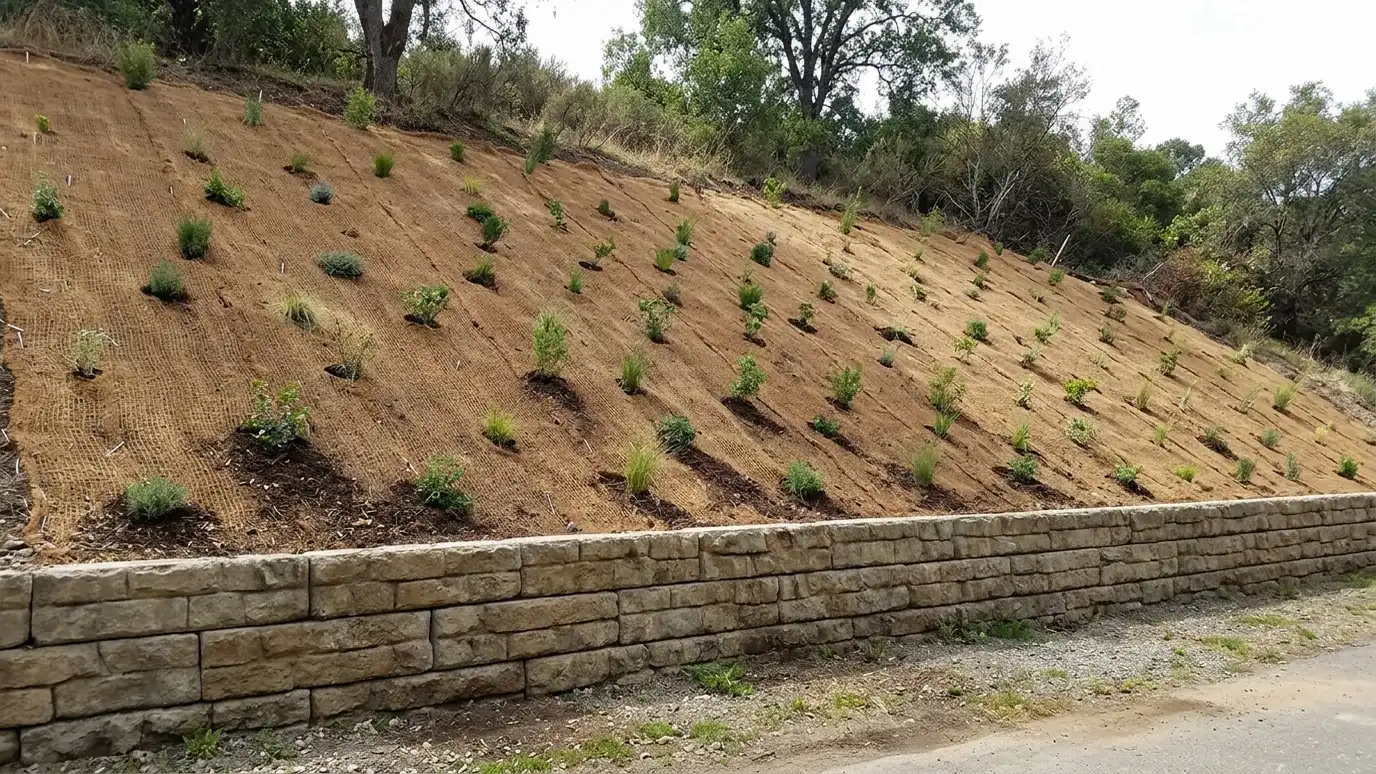 Erosion Control and Slope StabilizationWalls, matting, stone, plantings and drainage that stop soil loss on slopes, banks and construction sites.Explore
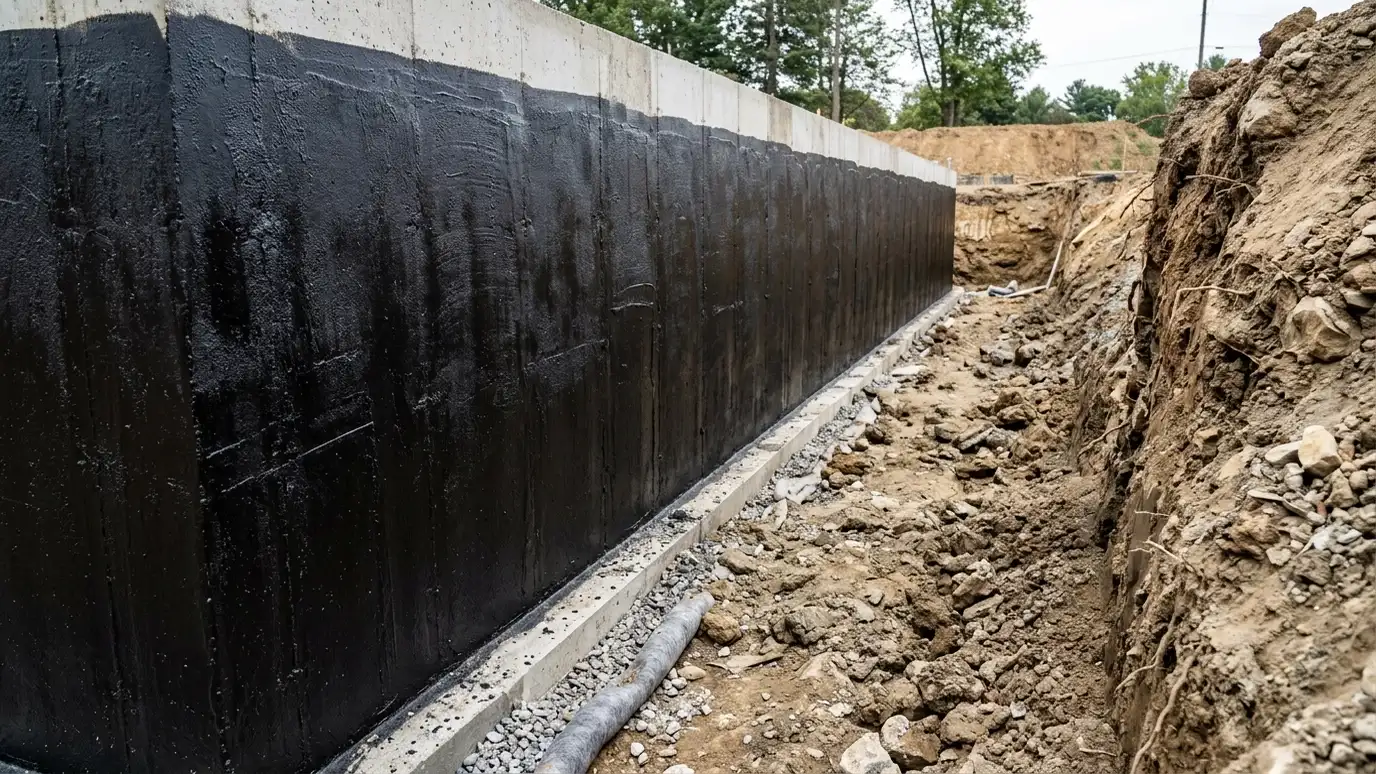 Waterproofing Behind WallsMembranes, drainage boards and sealants that keep moisture out of concrete walls and basement spaces.Explore
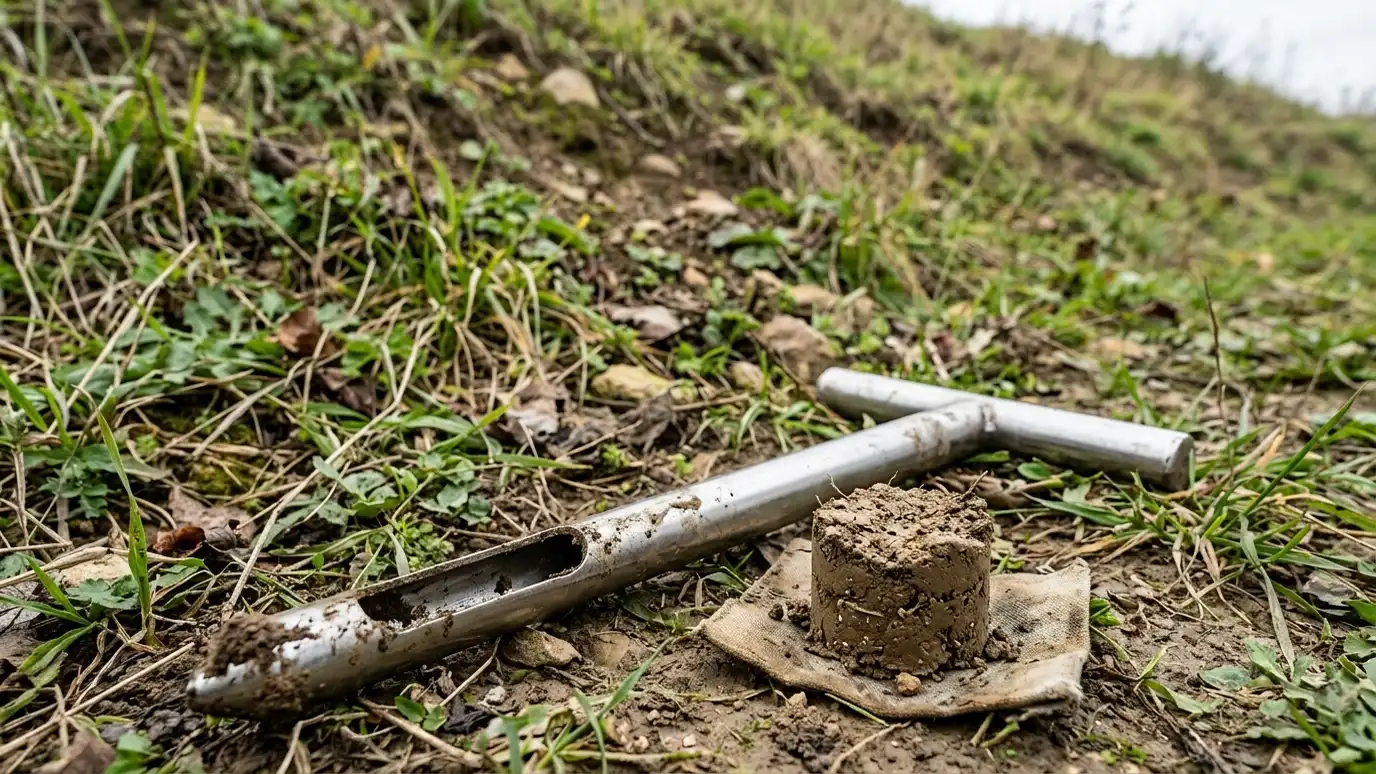 Site Evaluation and Soil AssessmentReading your site, soil, water and slope before design so the wall is built on facts, not guesses.Explore
 Project Scheduling and PhasingPlanning when work happens, in what order, and how to split larger wall projects into manageable phases.Explore
Size a wall, plan tiers or ballpark a budget.
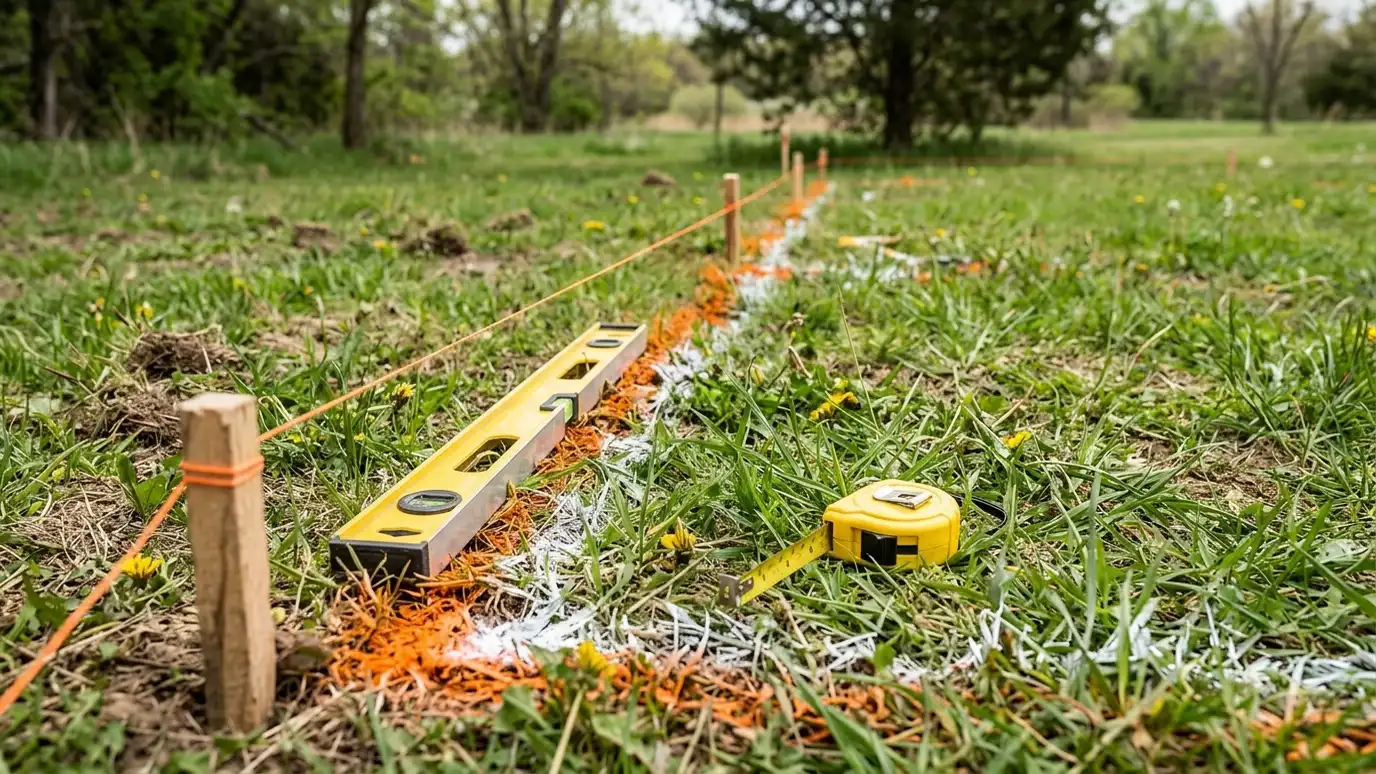 Retaining Wall Size and Material CalculatorEnter wall length and height to see face area, block count, base stone, drain pipe and geogrid layers to plan for.Try it
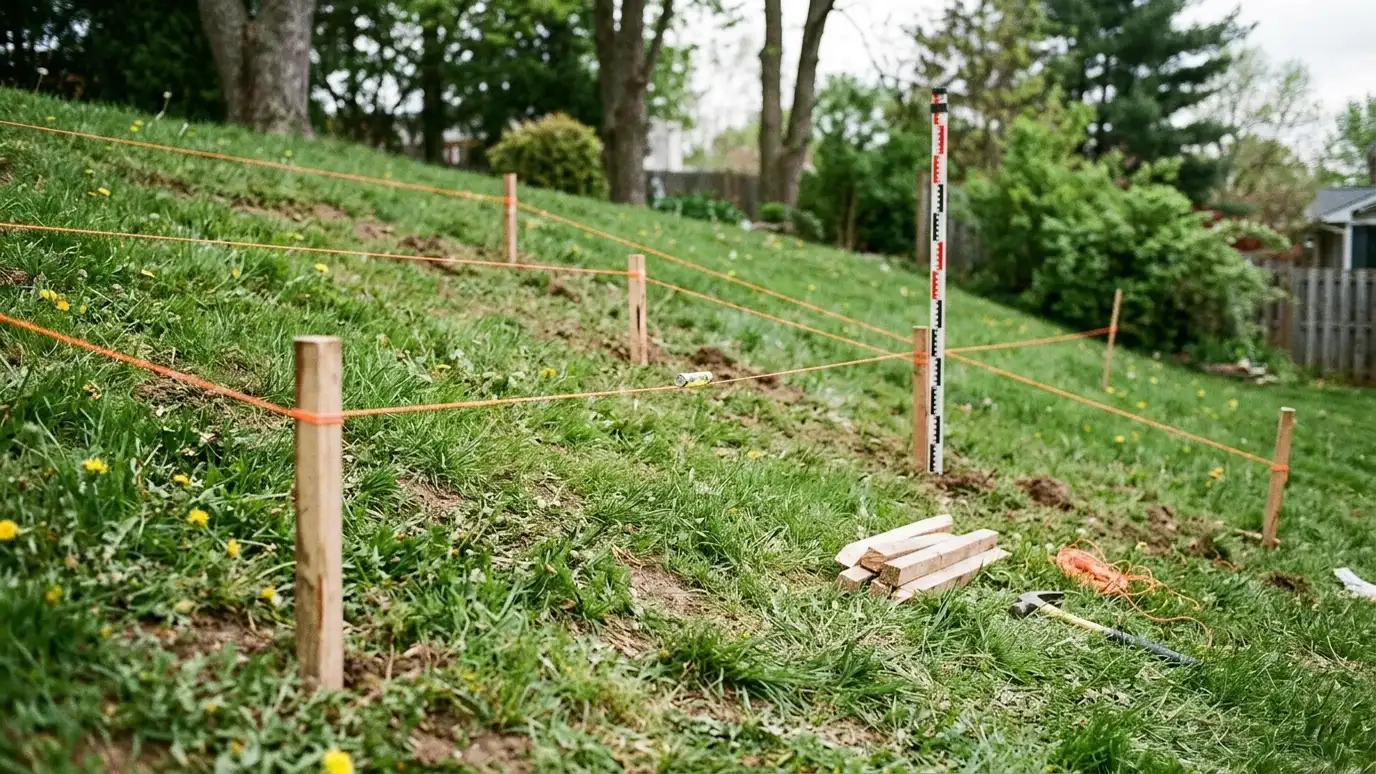 Retaining Wall Tier and Slope PlannerEnter slope height and distance to see how many tiers may suit the grade, how far apart to space them and how wide the shelves can be.Try it
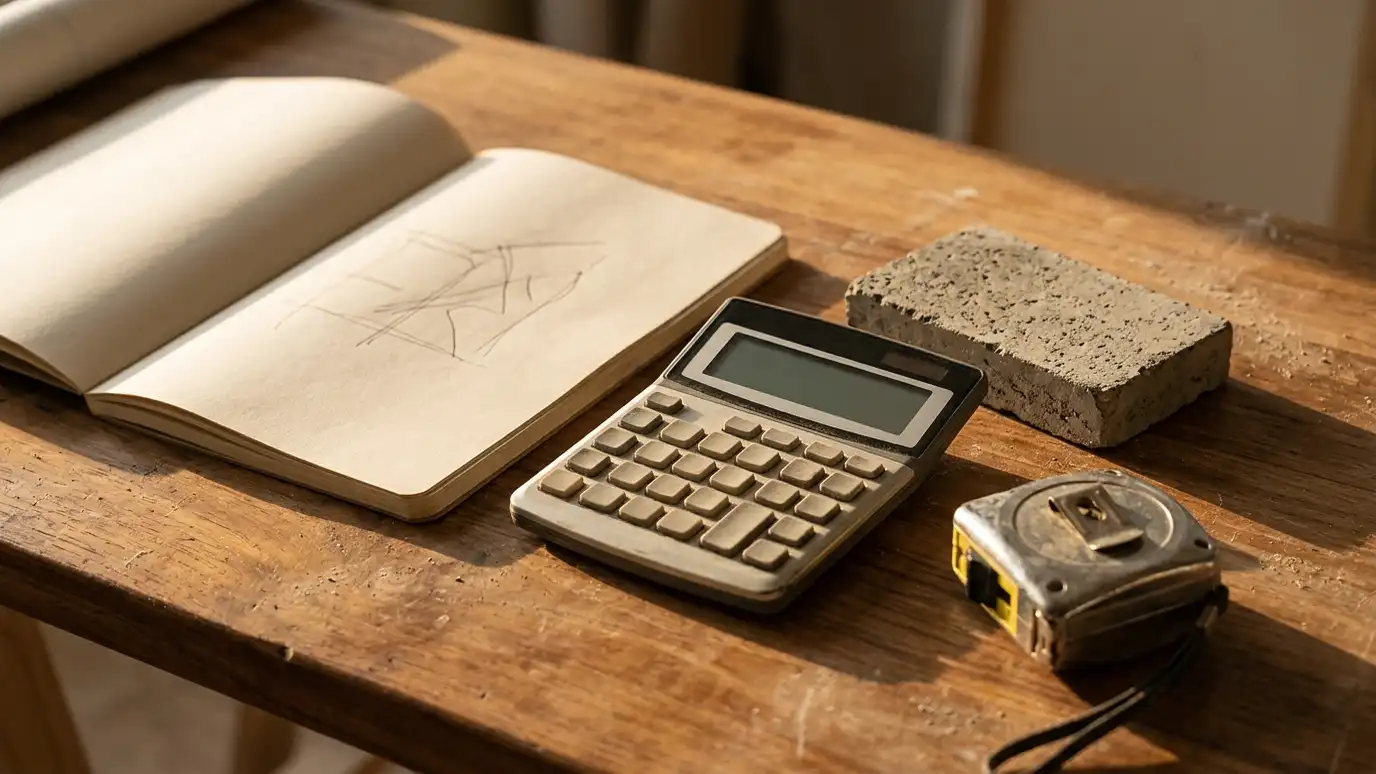 Retaining Wall Budget PlannerPick a wall type, set the size and add extras to see a ballpark planning range. Placeholder values only.Try it
We can note warning signs, and a geotechnical professional can evaluate serious concerns.
Well-designed walls and drainage can help stabilize slopes, but no wall removes all risk.
No. We are a private retaining wall company and are not part of USGS. Officials make the decisions, and we help you prepare information and understand the process.
 ResourceCMHAA trade association for concrete masonry and hardscape products that shares technical resources, design guidance and industry news.Learn more ResourceASCEA professional society for civil engineers that publishes standards, technical papers and infrastructure information.Learn more ResourceASTMA standards organization that publishes technical standards for materials, testing and products used in construction.Learn more ResourceTennessee 811The one-call service that notifies utility owners so buried lines can be marked before digging begins.Learn more
Call us and describe your slope or your wall. We will look at your site, talk through options and give you a clear written estimate.
