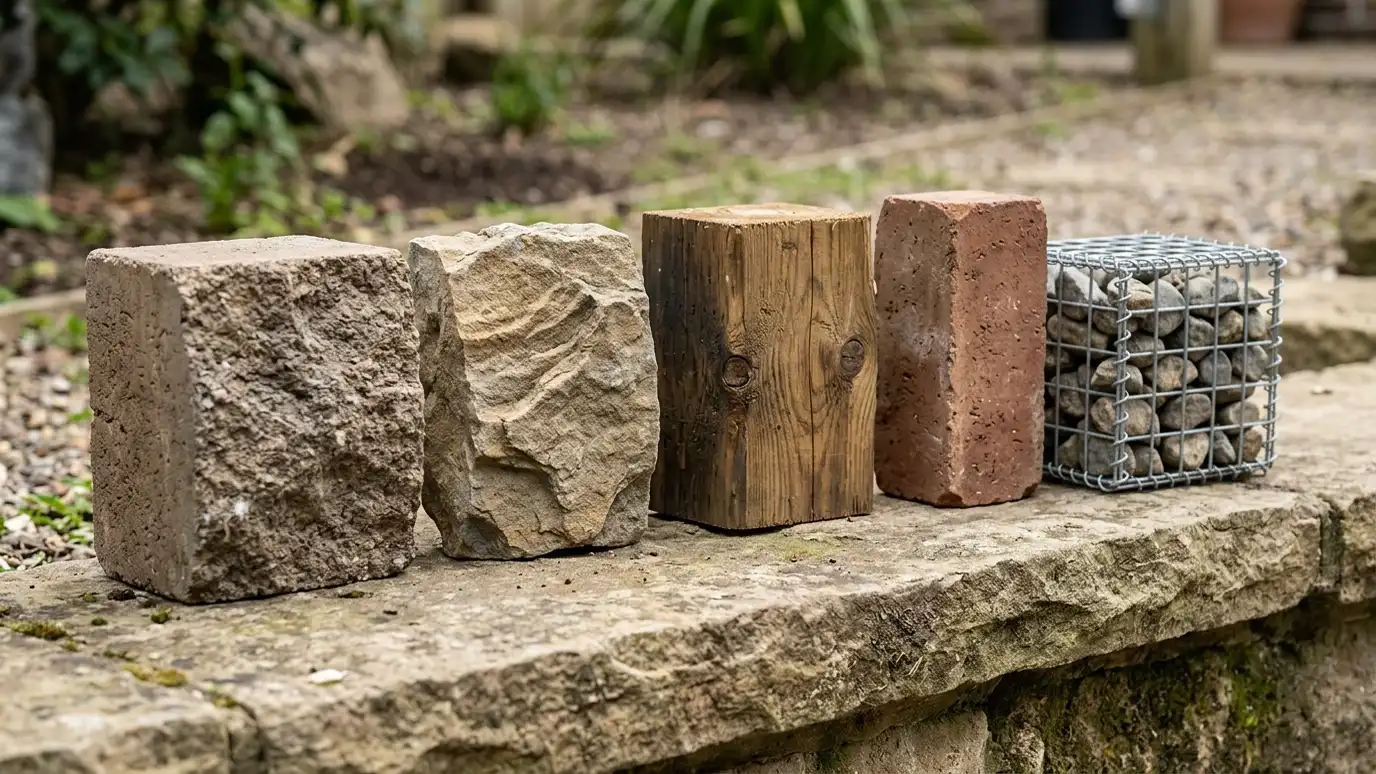
Segmental block, poured concrete, natural stone, boulders, timber, brick and gabions compared by look, strength, drainage and care.
Every wall material has a personality. Segmental block is flexible, widely available and easy to curve and step. Poured concrete is strong and clean and suits tall or tight sites. Natural stone and boulders bring character and long life when built well. Timber is simple and warm but does not last as long as masonry. Brick suits traditional homes and gabions give a free-draining, modern look. No material wins every time, because height, soil, loads and style all change the answer.
In Nashville, limestone, fieldstone and manufactured block are especially common, and many homes mix a stone front wall with block or concrete elsewhere. The right choice also depends on access for machines, the look of your house and how much care you want to give the wall later. We explain these tradeoffs at your Free Estimate and bring samples so you can see and touch the options before deciding.
Interlocking units that curve, step and reinforce.
Strong, solid and clean-lined for tall or tight sites.
Authentic texture and long life with skilled fitting.
Rugged, informal and good on steep slopes.
Warm and simple for short walls.
Stone in wire baskets for free drainage.
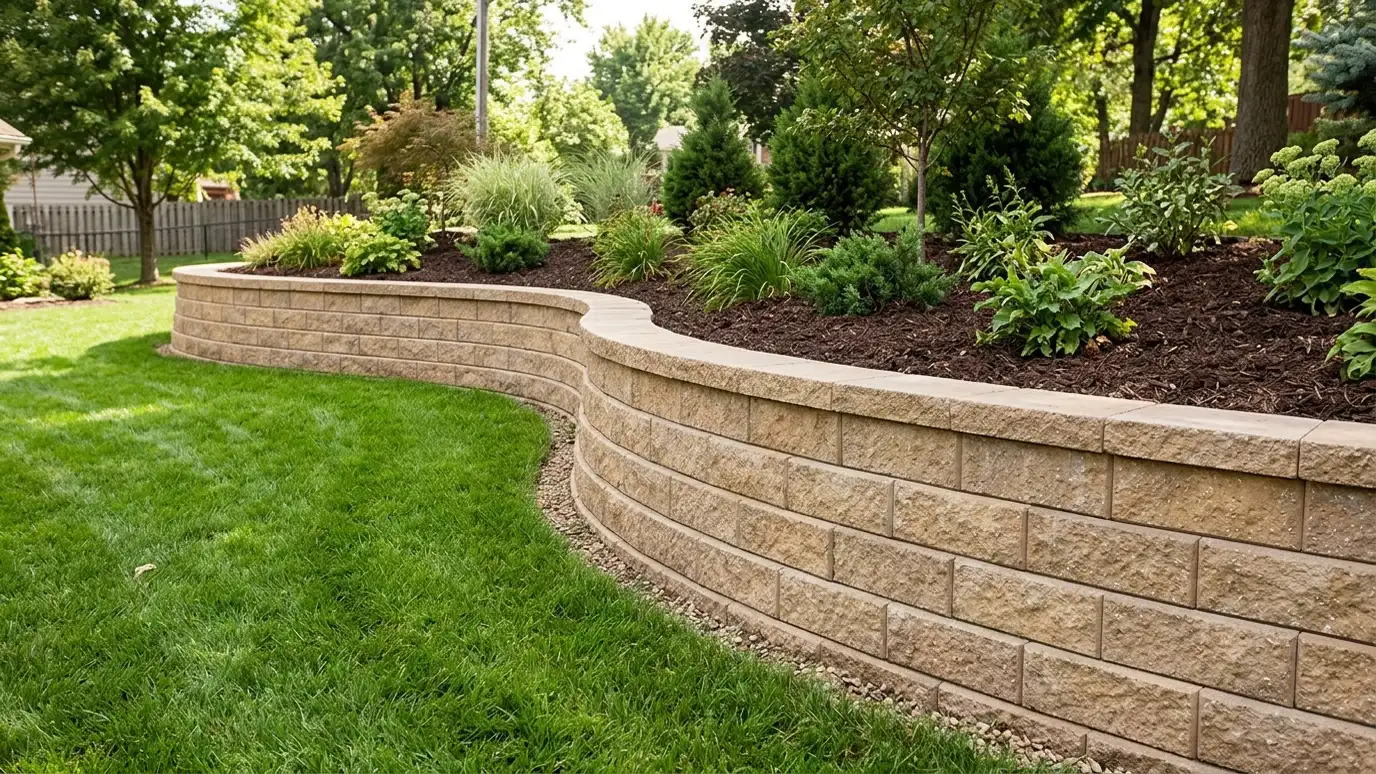 Segmental Block Retaining WallsInterlocking concrete block walls built on a compacted base with drainage and, when needed, geogrid reinforcement.Explore
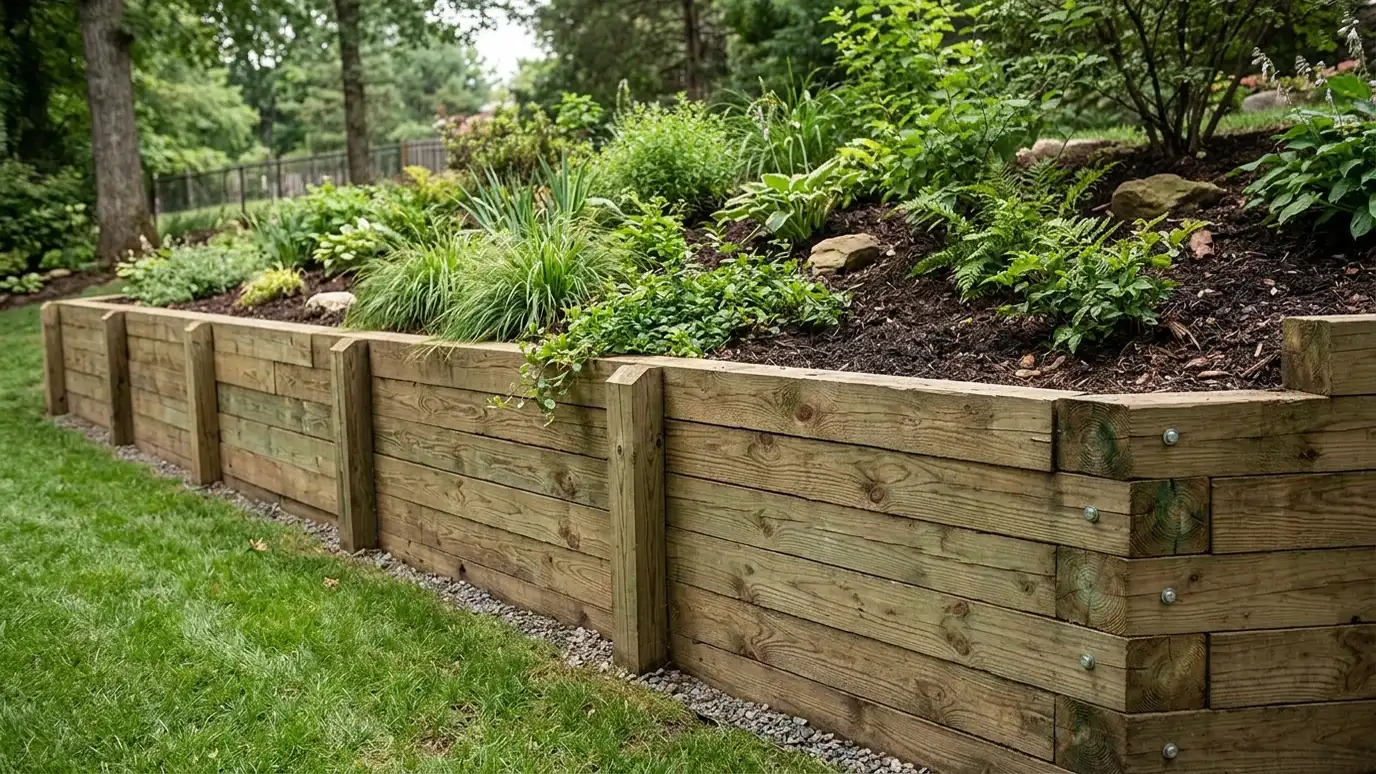 Timber Retaining WallsPressure-treated timber walls for gardens and low slopes, built with deadmen, drainage and proper fasteners.Explore
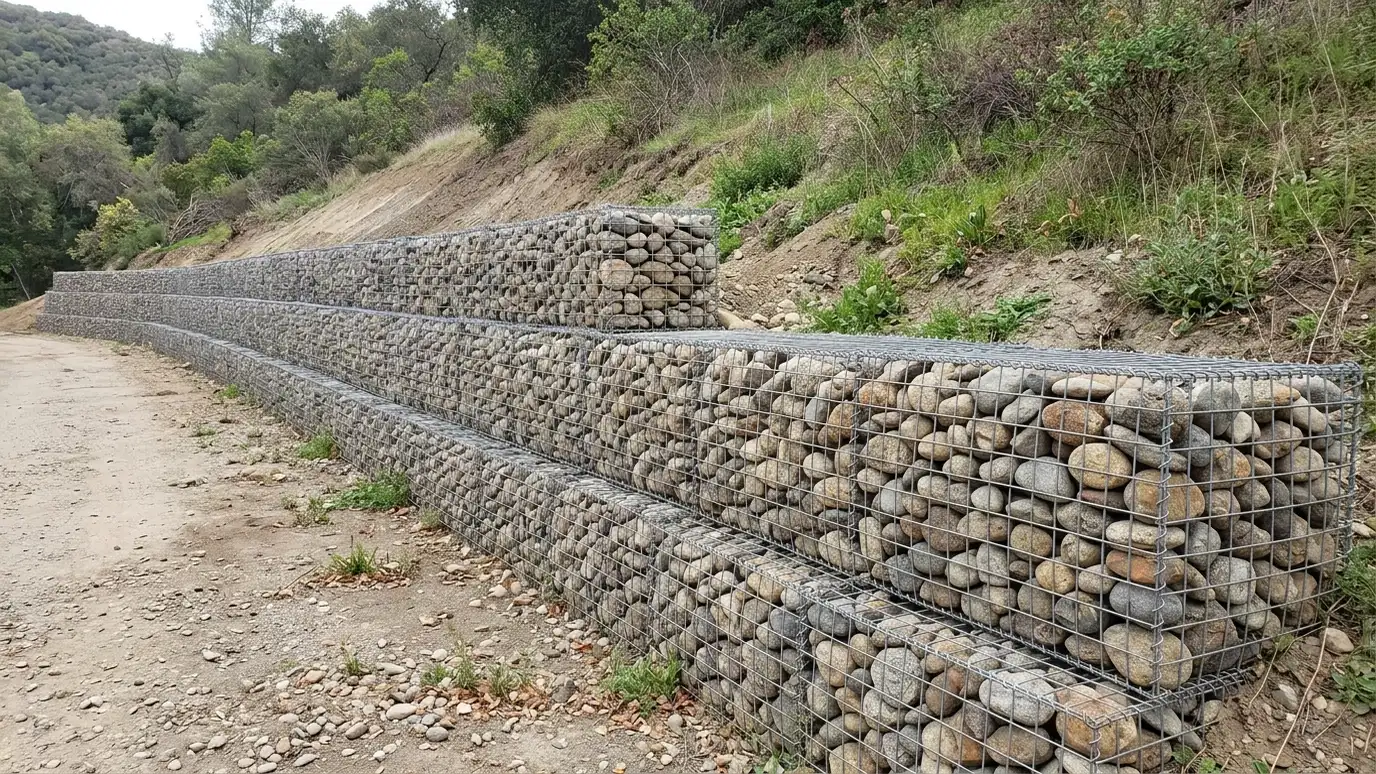 Gabion Retaining WallsWire baskets filled with stone, stacked to form free-draining walls with an industrial-natural look.Explore
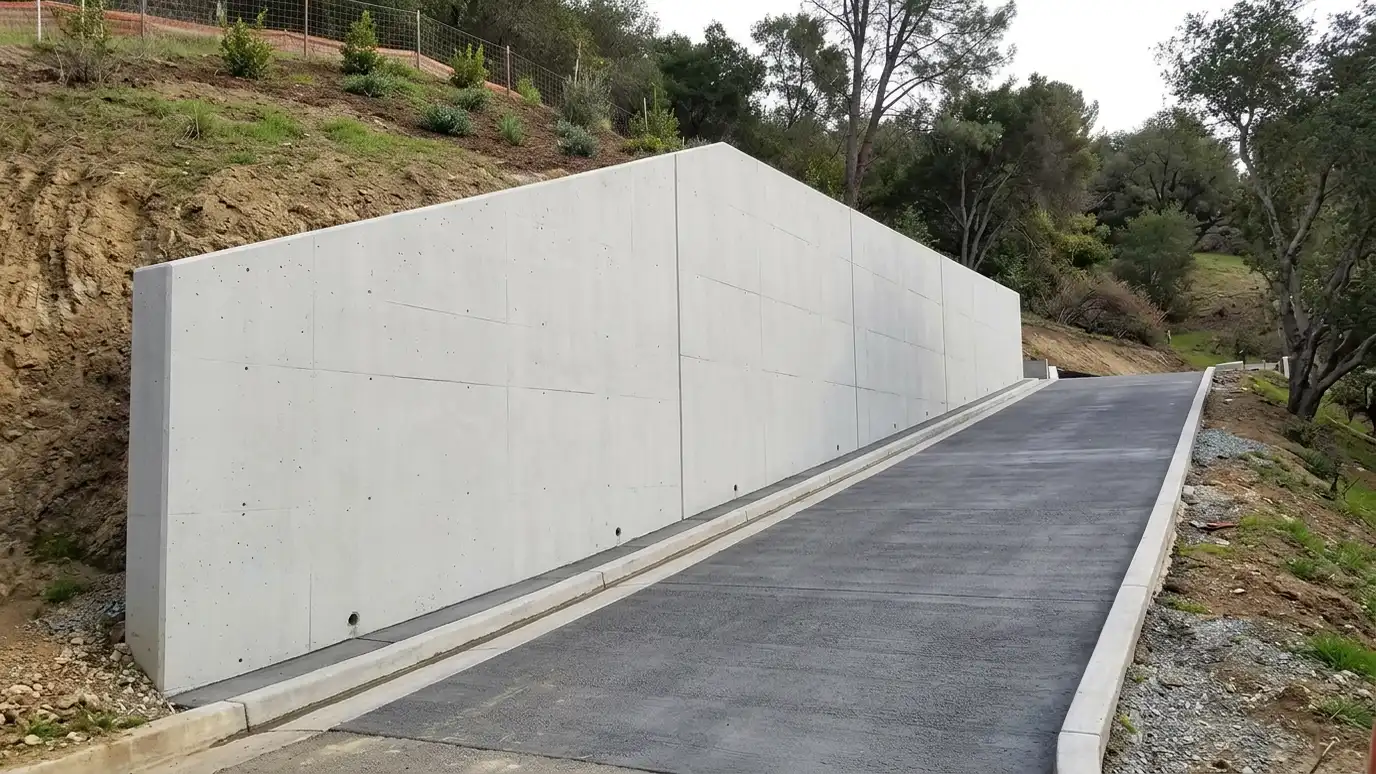 Cantilever Retaining WallsEngineered reinforced concrete walls shaped like an inverted T or L, using the weight of the soil on…Explore
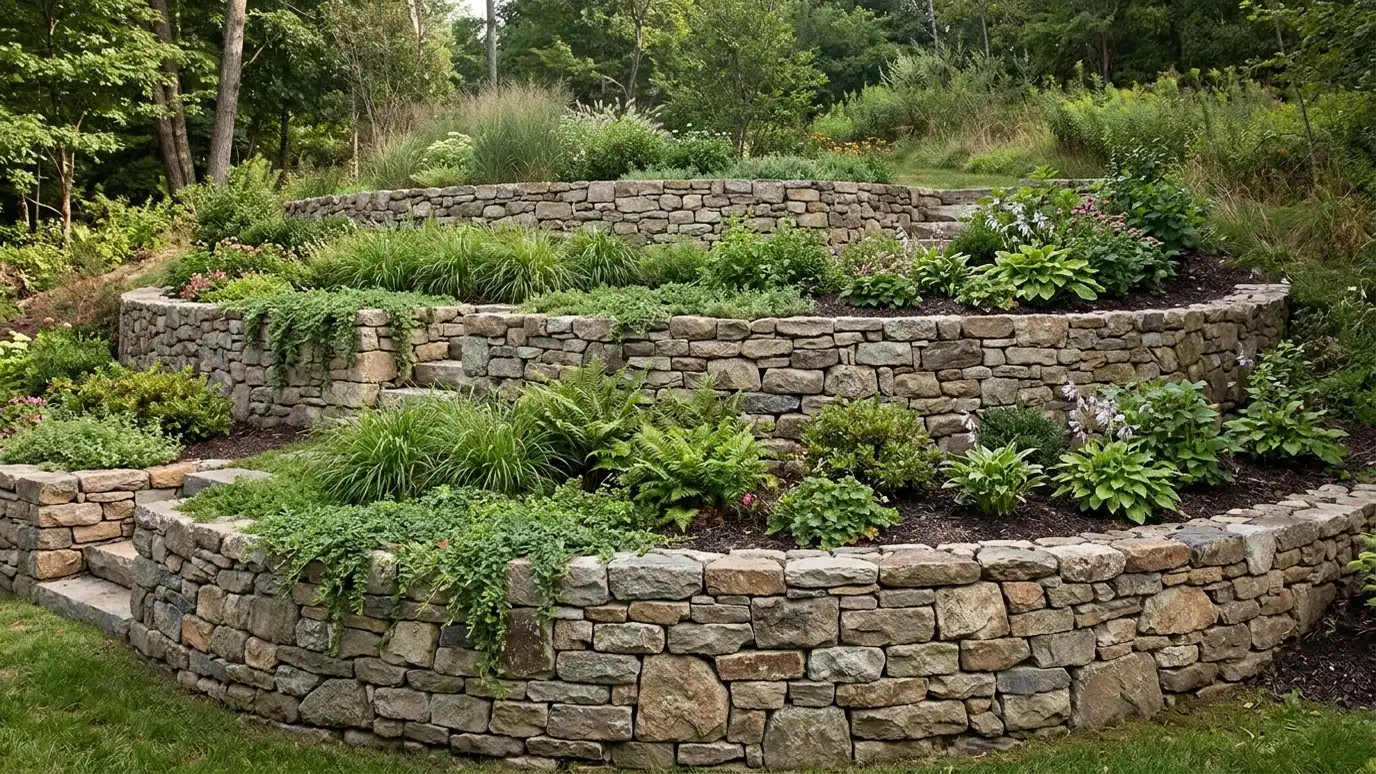 Tiered and Terraced Retaining WallsTwo or more shorter walls stepped up a slope, with planting shelves, paths and stairs between them.Explore
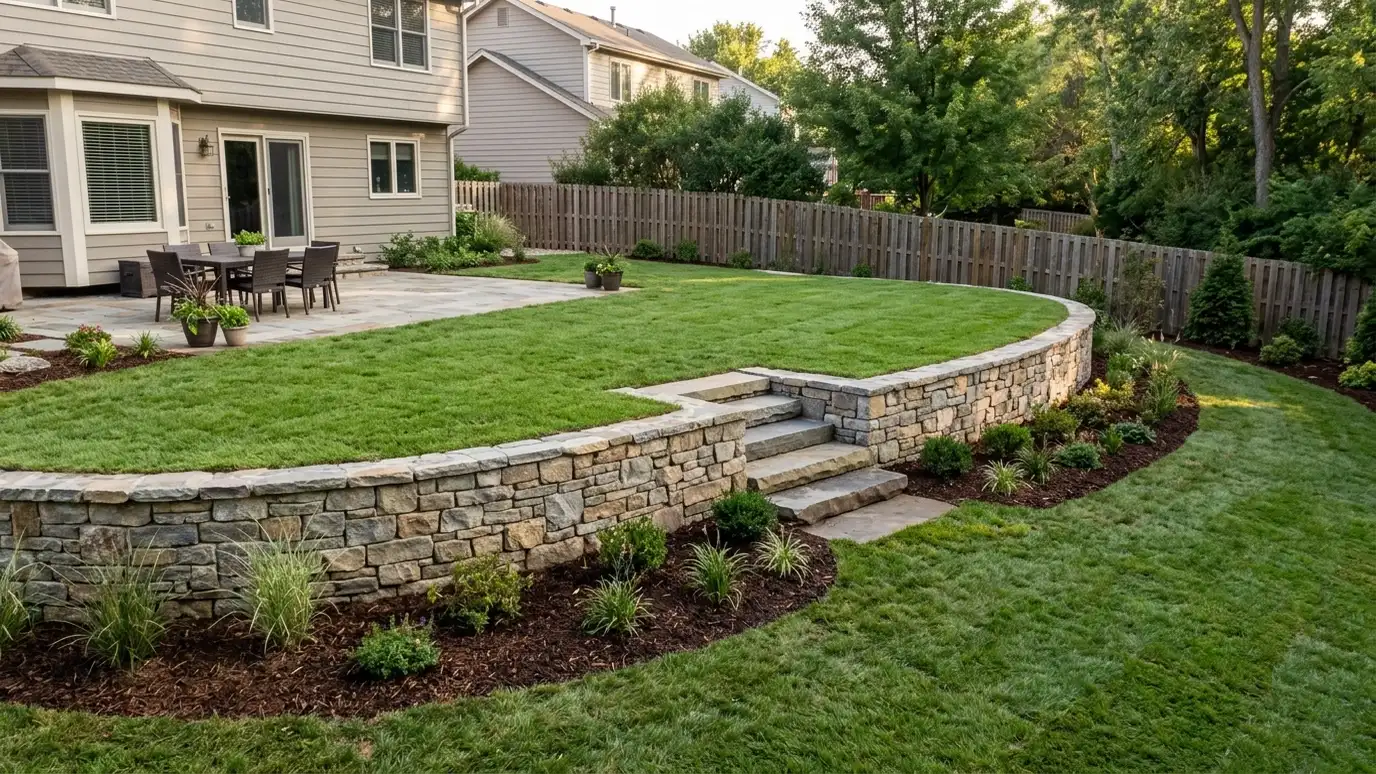 Backyard Retaining WallsWalls that level a sloping backyard, create flat space for lawn, play and entertaining, and manage water at…Explore
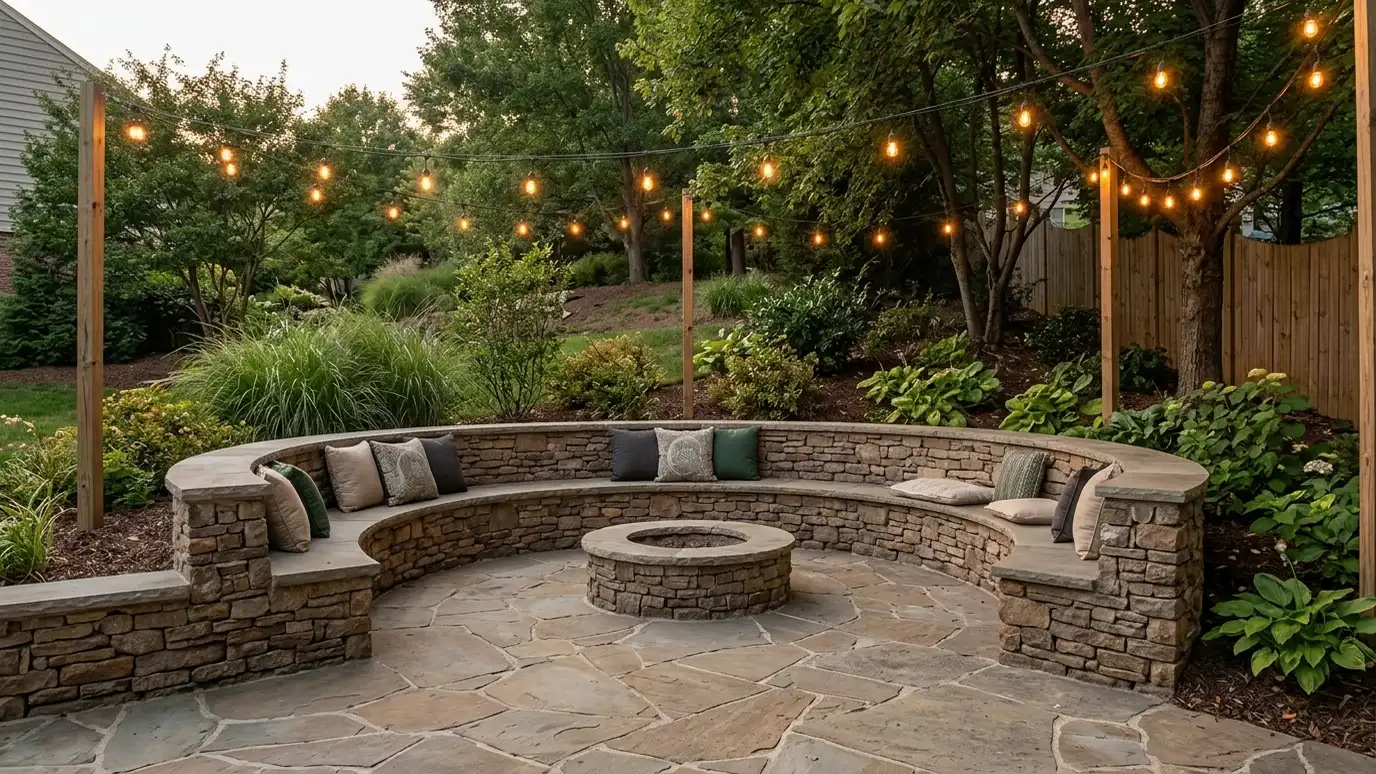 Seat Walls and Sitting WallsComfortable-height walls with wide caps that double as seating around patios, fire pits, gardens and entries.Explore
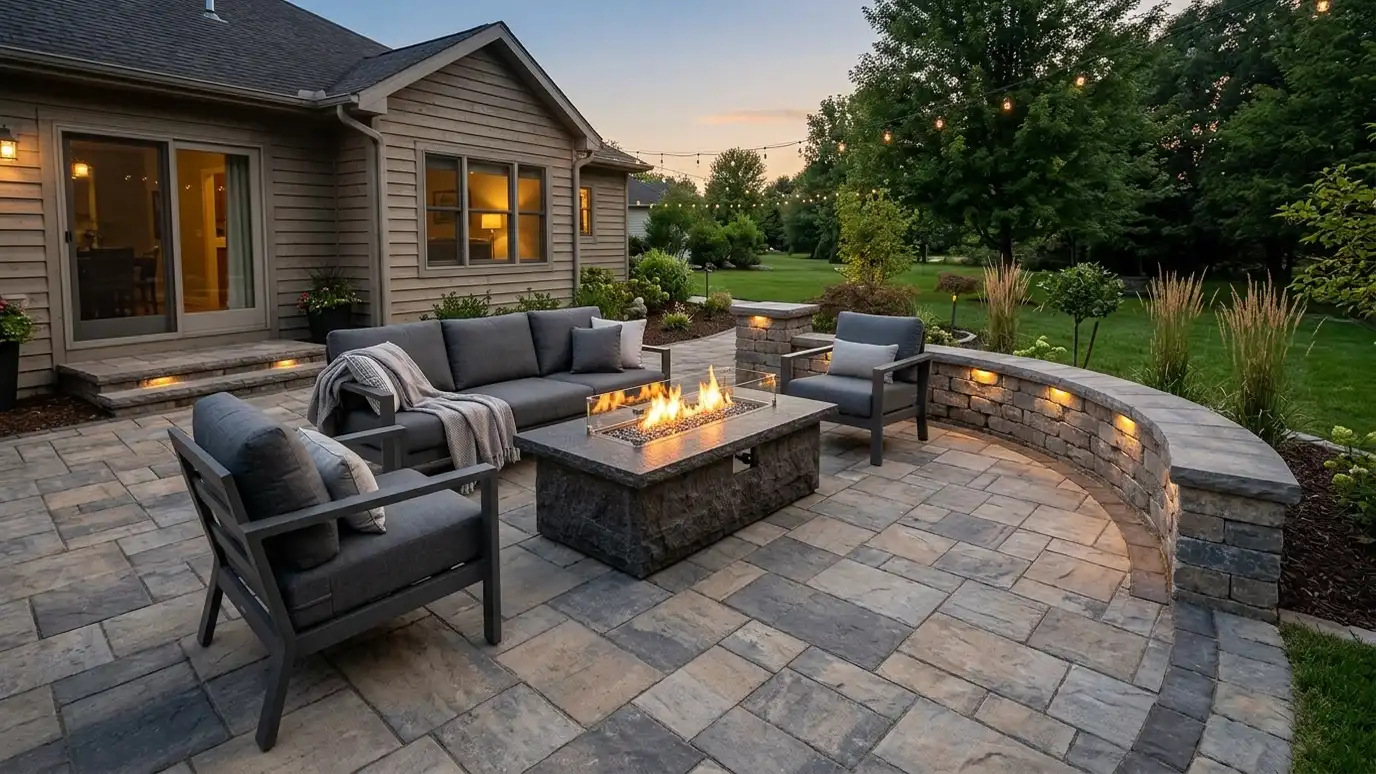 Patio and Outdoor Living WallsRetaining walls that create level patio pads and frame outdoor rooms with seating, steps, lighting and planting.Explore
Size a wall, plan tiers or ballpark a budget.
 Retaining Wall Size and Material CalculatorEnter wall length and height to see face area, block count, base stone, drain pipe and geogrid layers to plan for.Try it
 Retaining Wall Tier and Slope PlannerEnter slope height and distance to see how many tiers may suit the grade, how far apart to space them and how wide the shelves can be.Try it
 Retaining Wall Budget PlannerPick a wall type, set the size and add extras to see a ballpark planning range. Placeholder values only.Try it
Well-built masonry and stone usually last longer than timber. Base and drainage matter as much as the material.
Segmental block can often be reset in sections. Poured walls need different repairs.
Yes, with care. Different materials can suit different parts of a property.
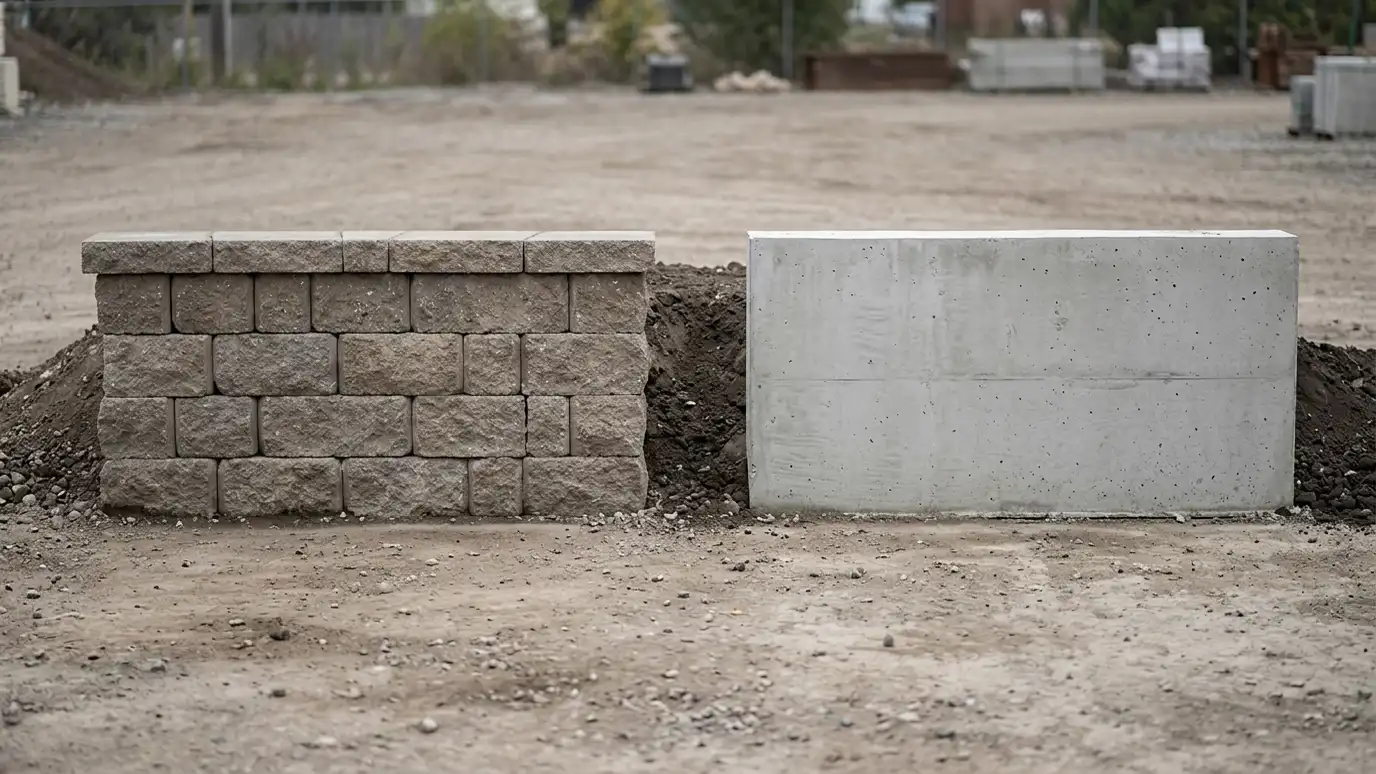 Comparison guideBlock vs Poured ConcreteInterlocking block walls and cast-in-place concrete walls compared by height, speed, flexibility, finish and repair.Learn more
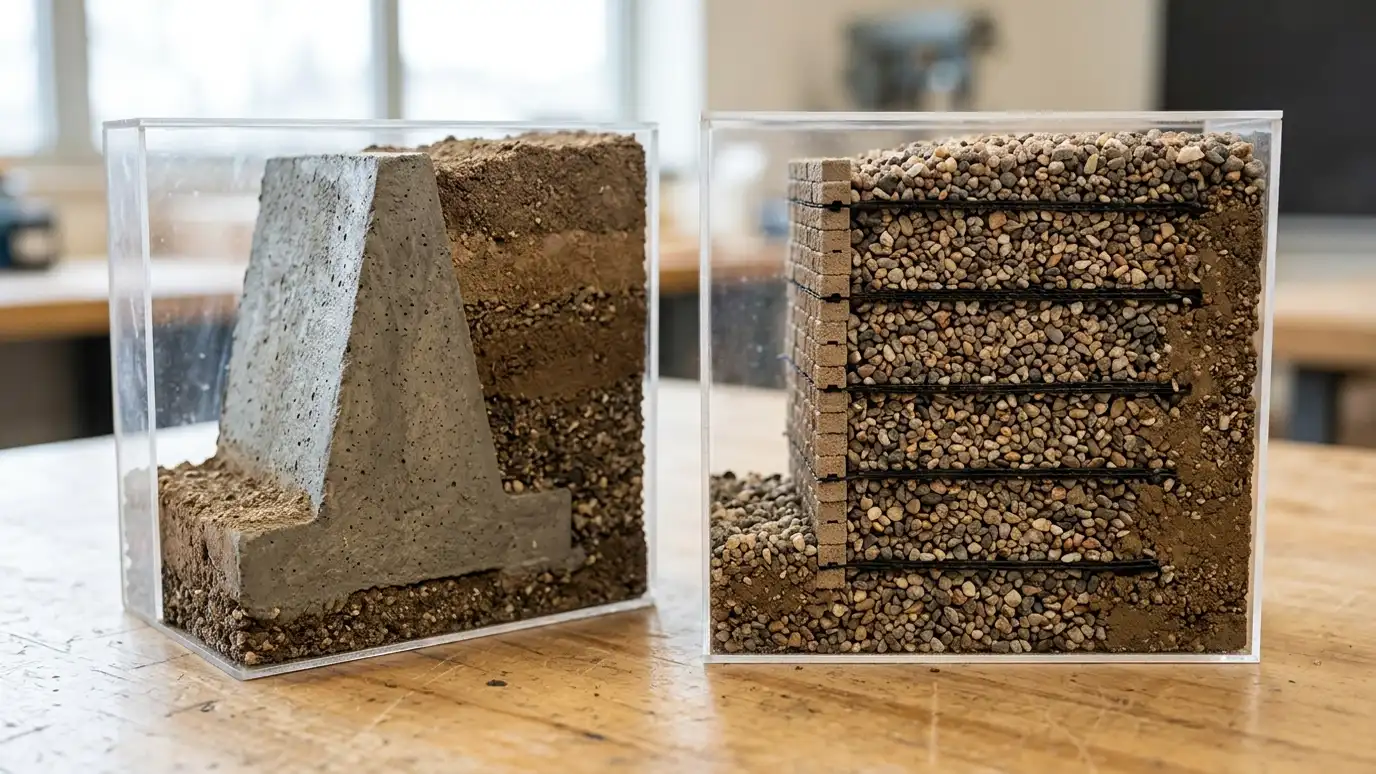 Comparison guideGravity vs Reinforced WallsWalls that resist soil with their own weight compared with walls that tie into reinforced soil, by height…Learn more
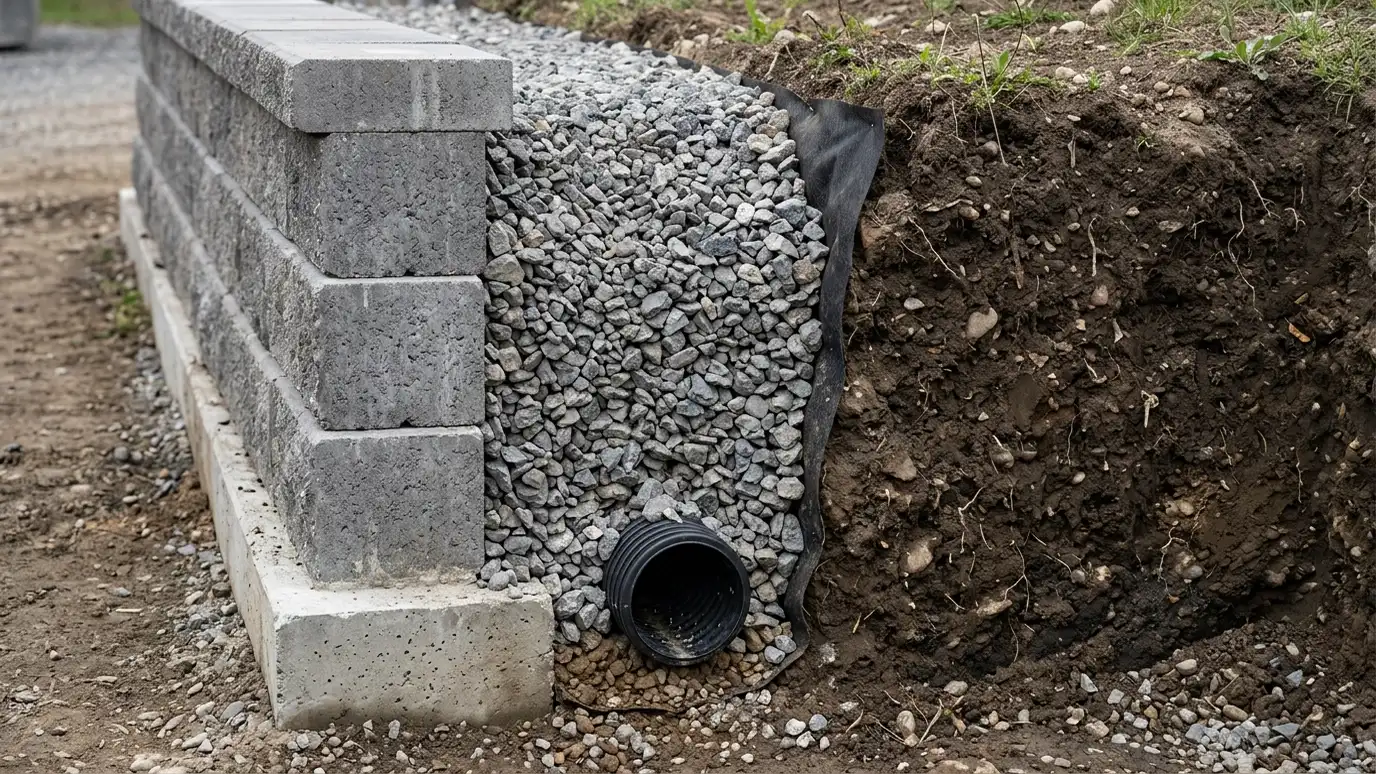 Comparison guideWall Drainage ExplainedHow drain pipe, clean stone, filter fabric and outlets work together to keep water pressure off a retaining…Learn more
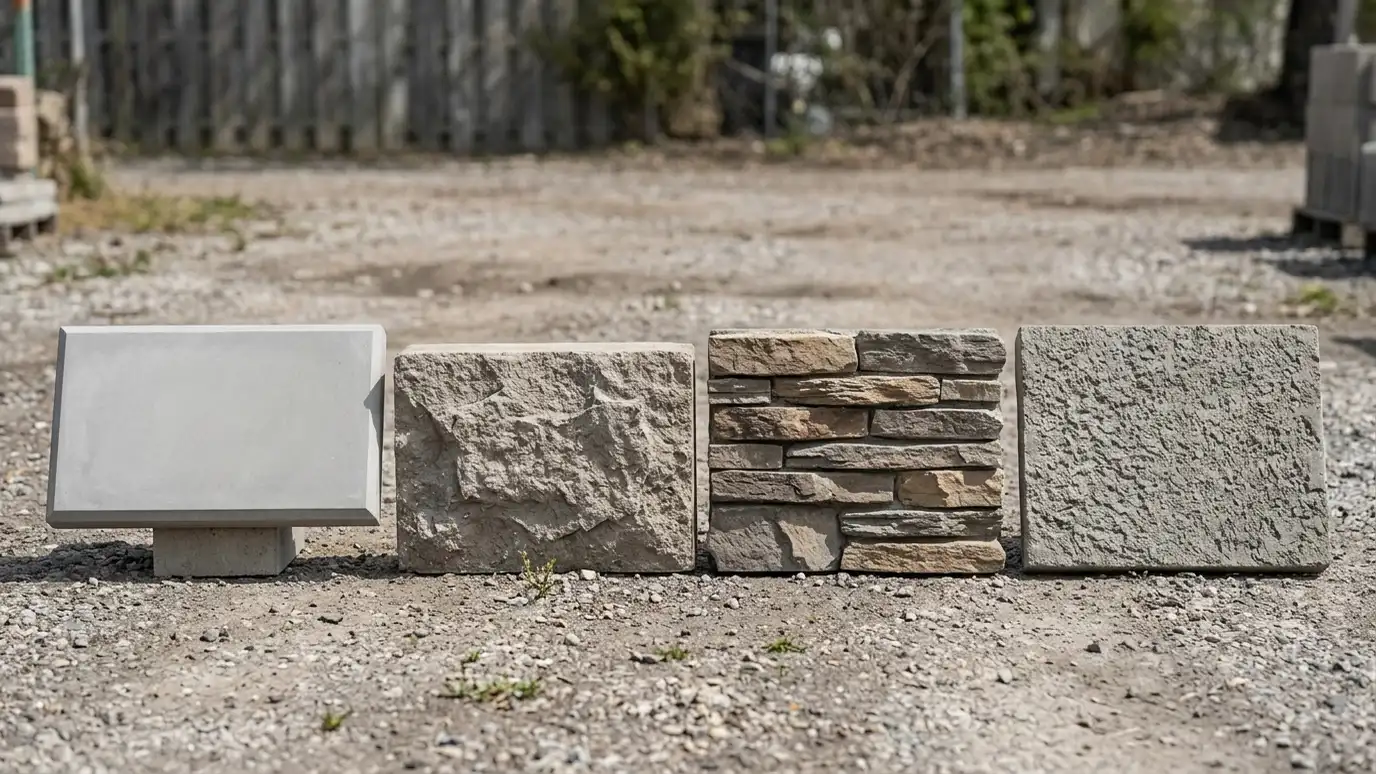 Comparison guideCaps and Finishes ComparedCap stones, manufactured caps, concrete tops, stucco and veneer compared by look, comfort, durability and care.Learn more
Call us and describe your slope or your wall. We will look at your site, talk through options and give you a clear written estimate.
