Why water matters
Wet soil is heavier and pushes harder. Water can also freeze, soften soil and wash out bases.
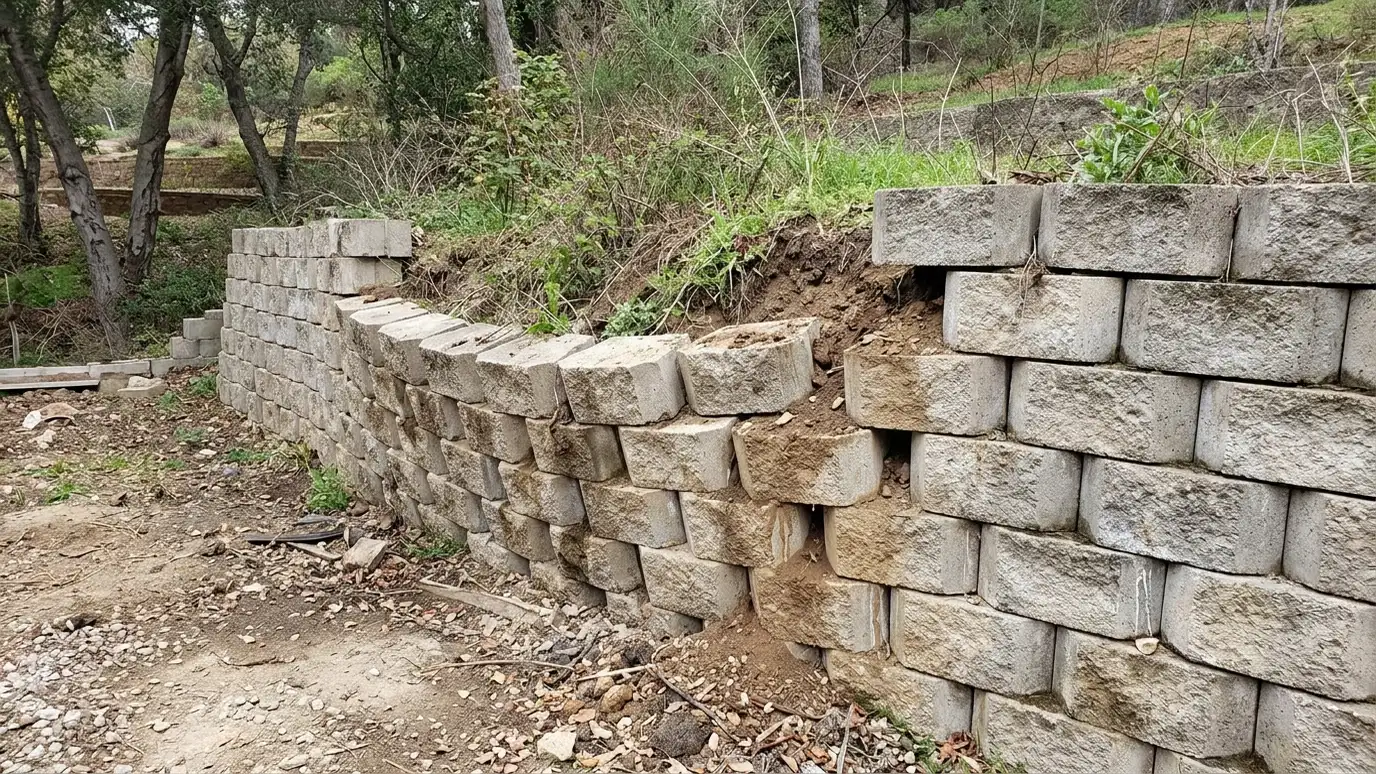
Most failed walls had water problems.
Good drainage is the most economical protection a wall can have.
Look at the places where water enters your yard, such as gutters, driveways and neighbors' slopes. Understanding sources helps you see why a wall needs particular drains and swales.
The parts of a drainage system
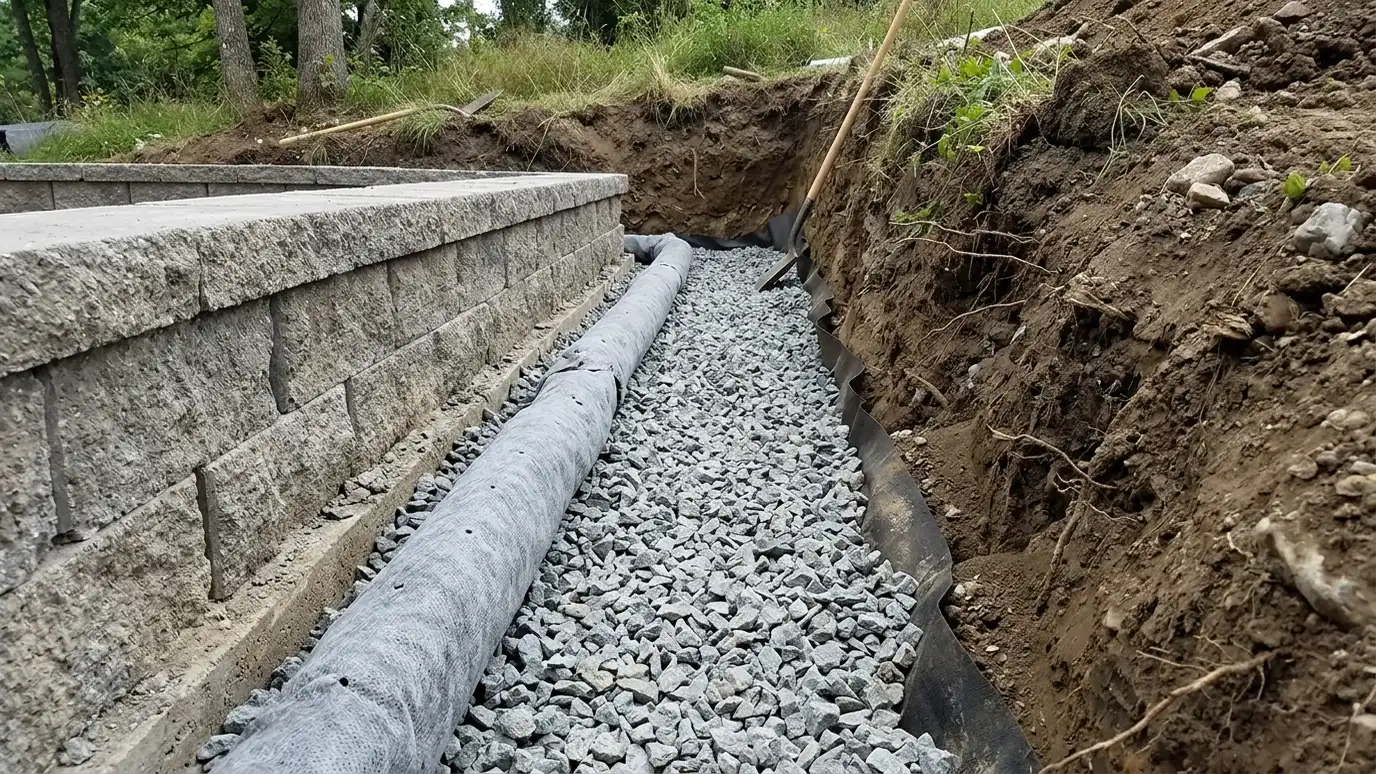
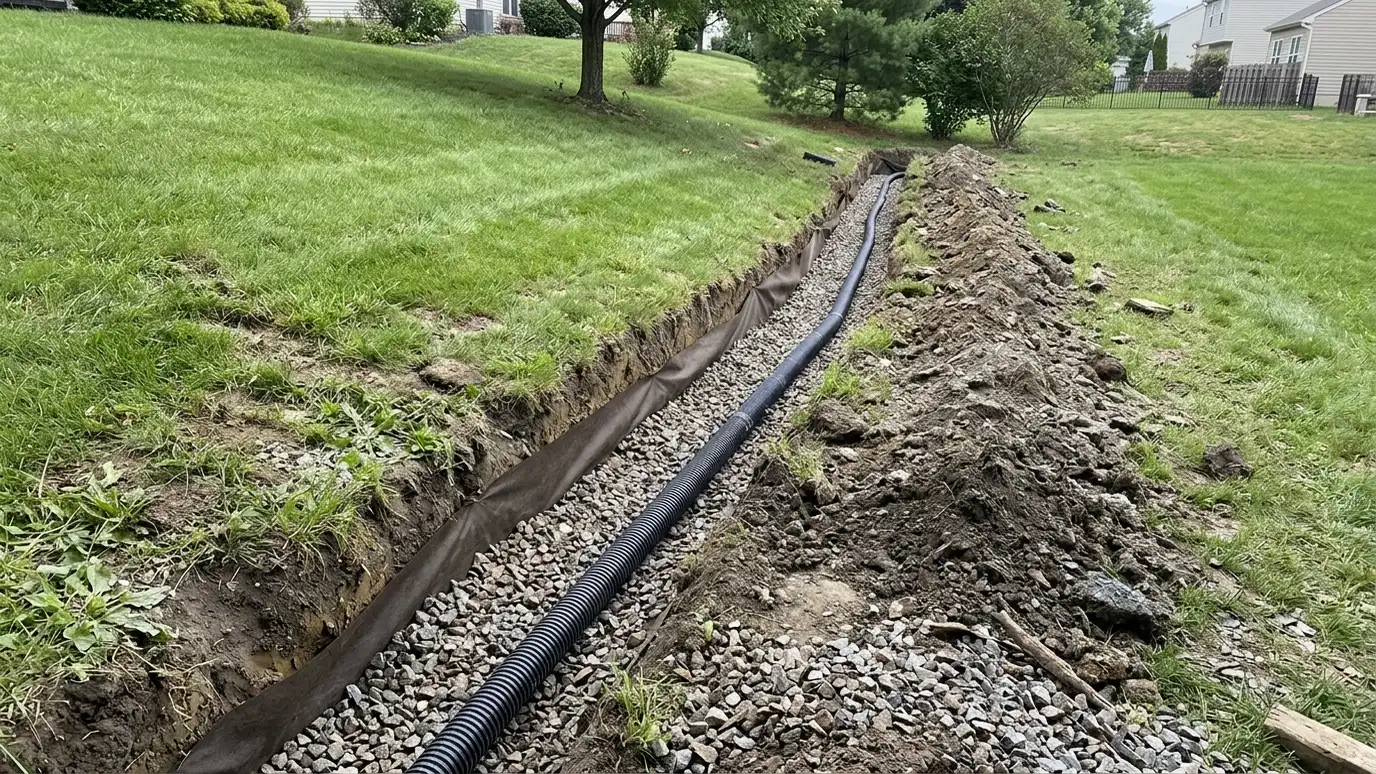
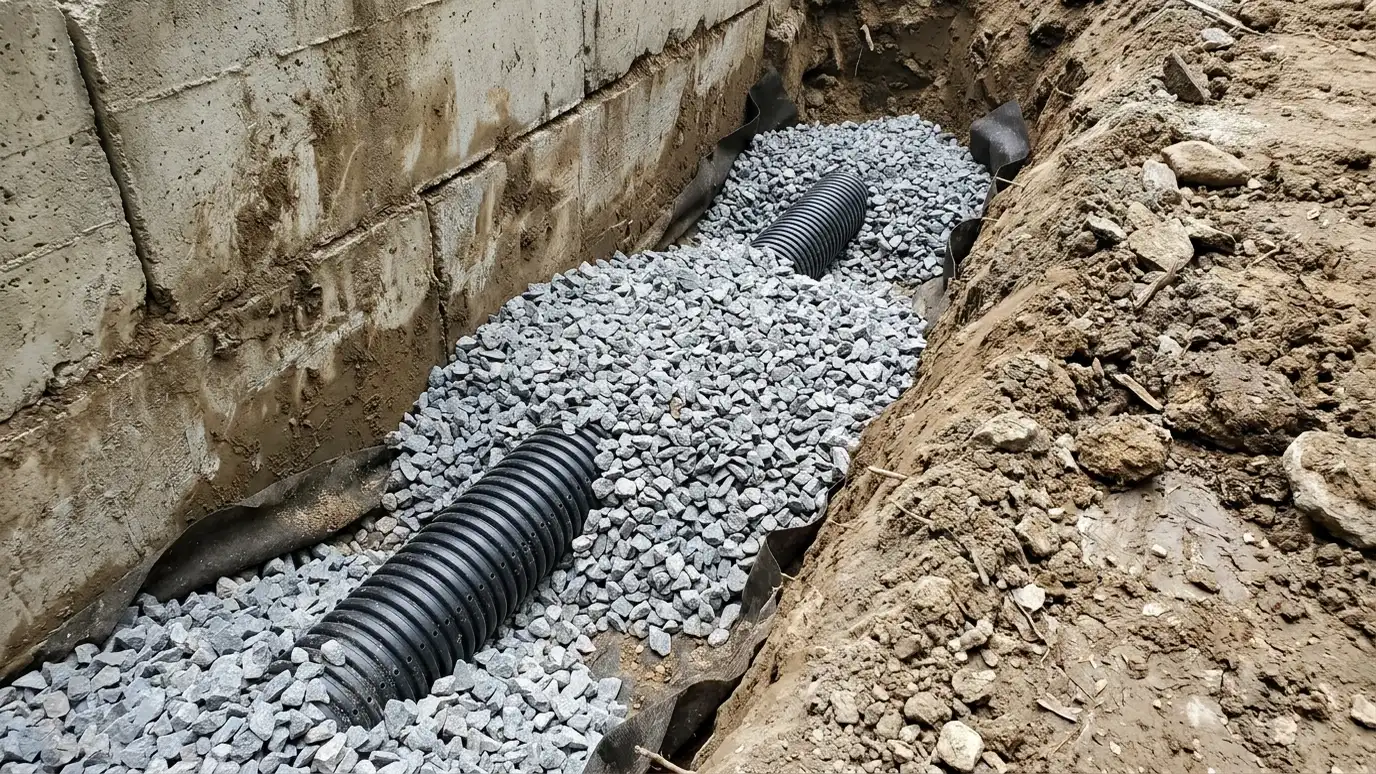
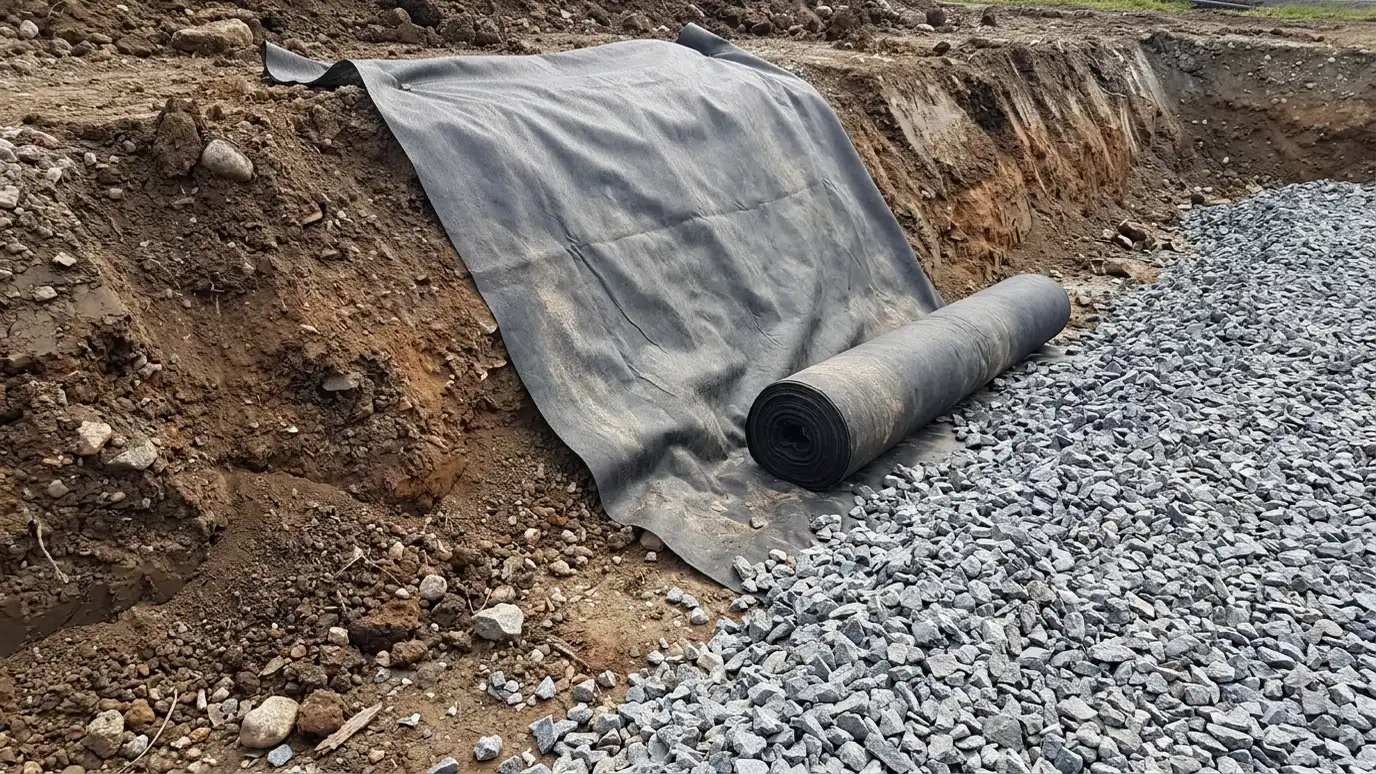
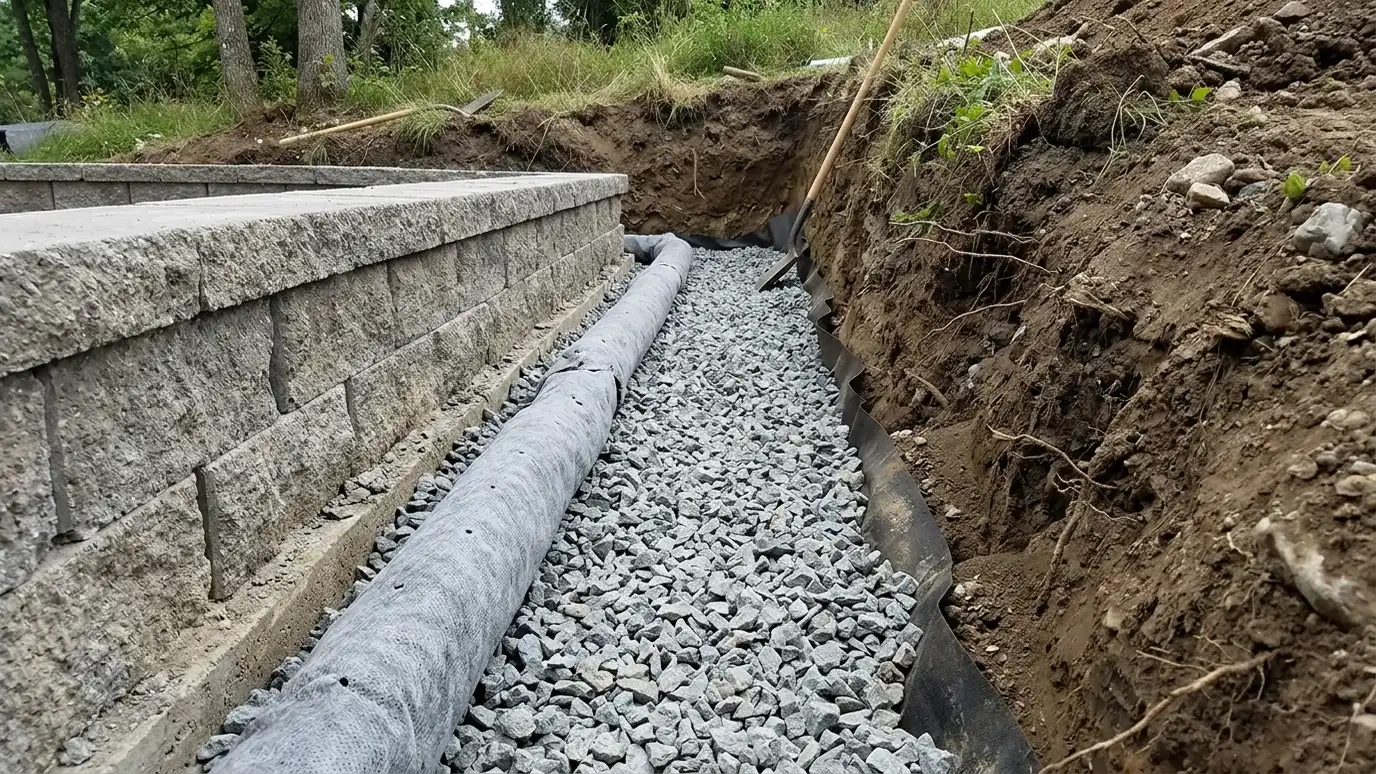
A perforated pipe sits at the base, surrounded by clean, angular stone and wrapped in filter fabric. The stone zone rises behind the wall.
The pipe slopes to an outlet.
Cleanouts allow flushing and inspection.
Ask your contractor to show you the stone and the fabric before they are installed. Clean, washed stone looks different from dusty mixed gravel, and the difference matters over time.
Outlets and where water goes
Water should leave to daylight, a swale or an approved connection, without harming neighbors or foundations.
Outlets need protection from animals and debris.
Mark outlet locations so you can find them later.
Choose a place for outlets with care. A safe outlet protects your foundation, your neighbors and the soil below the wall. Mark the location on a plan you keep.
Surface water
Downspouts, paved areas and slopes can send large flows toward a wall. Swales, grading and catch basins redirect them.
Keep mulch and soil from piling against the face.
Plants should not block outlets.
After heavy rain, walk the property and watch where water runs. Small adjustments to grading or downspouts can cut the flow reaching the wall significantly.
Common mistakes
Missing outlets, dirt instead of clean stone, no fabric, flat pipe and crushed pipe are common mistakes.
Weep holes alone are rarely enough on taller walls.
Ask contractors to describe the drain in detail.
If a contractor suggests only weep holes for a tall wall, ask why. Sometimes they are enough, but often a drain system is the safer approach. Honest answers are a good sign.
Maintenance
Check outlets after storms, clear debris and flush drains periodically if cleanouts exist. Watch for stains and mud.
Fix downspouts that discharge near the wall.
Annual check-ups catch issues early.
Put reminders on your calendar to check outlets in spring and fall. Five minutes of looking can prevent many drainage problems from developing unnoticed.
Ask every contractor to describe the pipe, stone, fabric and outlet, and keep outlets clear after storms.