Warning signs
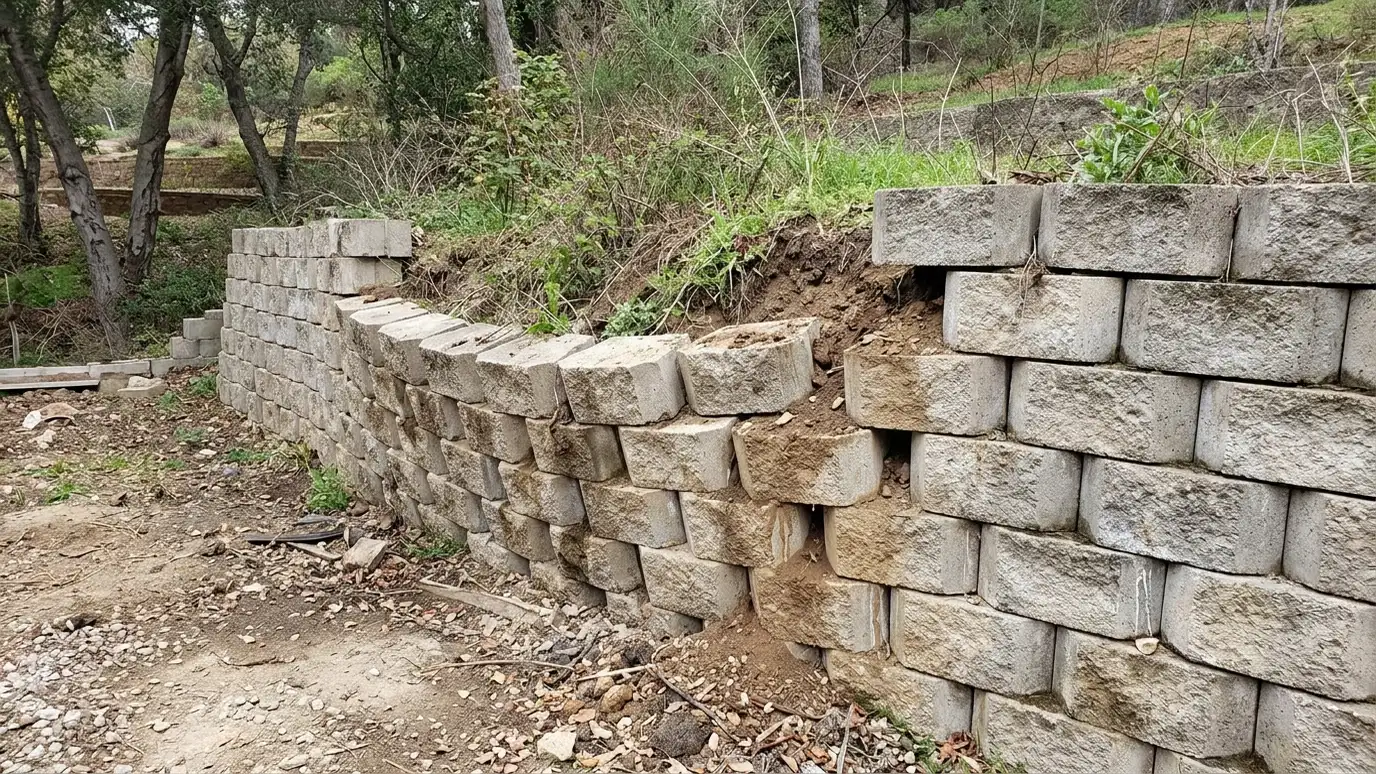
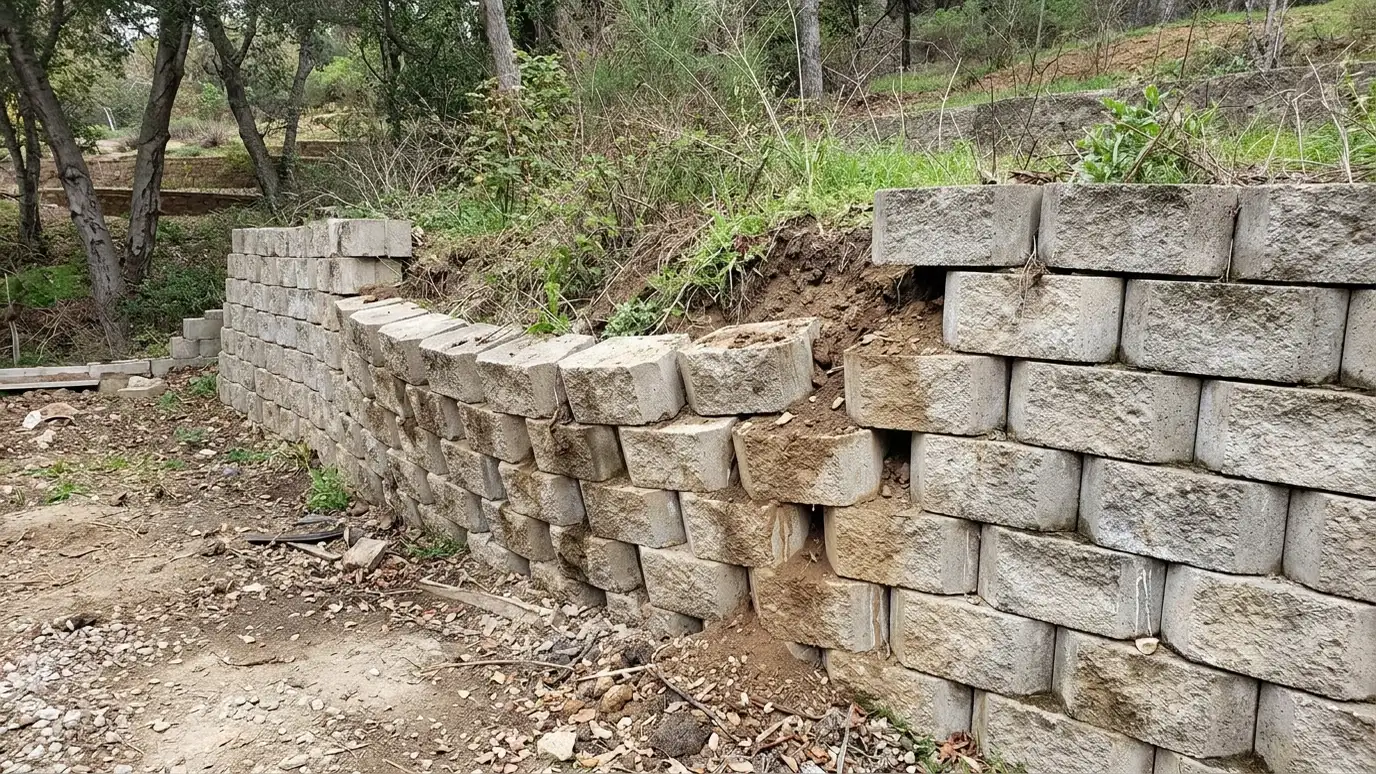
Leaning, bulging, new cracks, stair-step cracking, mud at weep holes, standing water, soil loss and sunken sections are common signs.
Take photos and note dates so you can track changes.
Fast or growing movement is urgent.
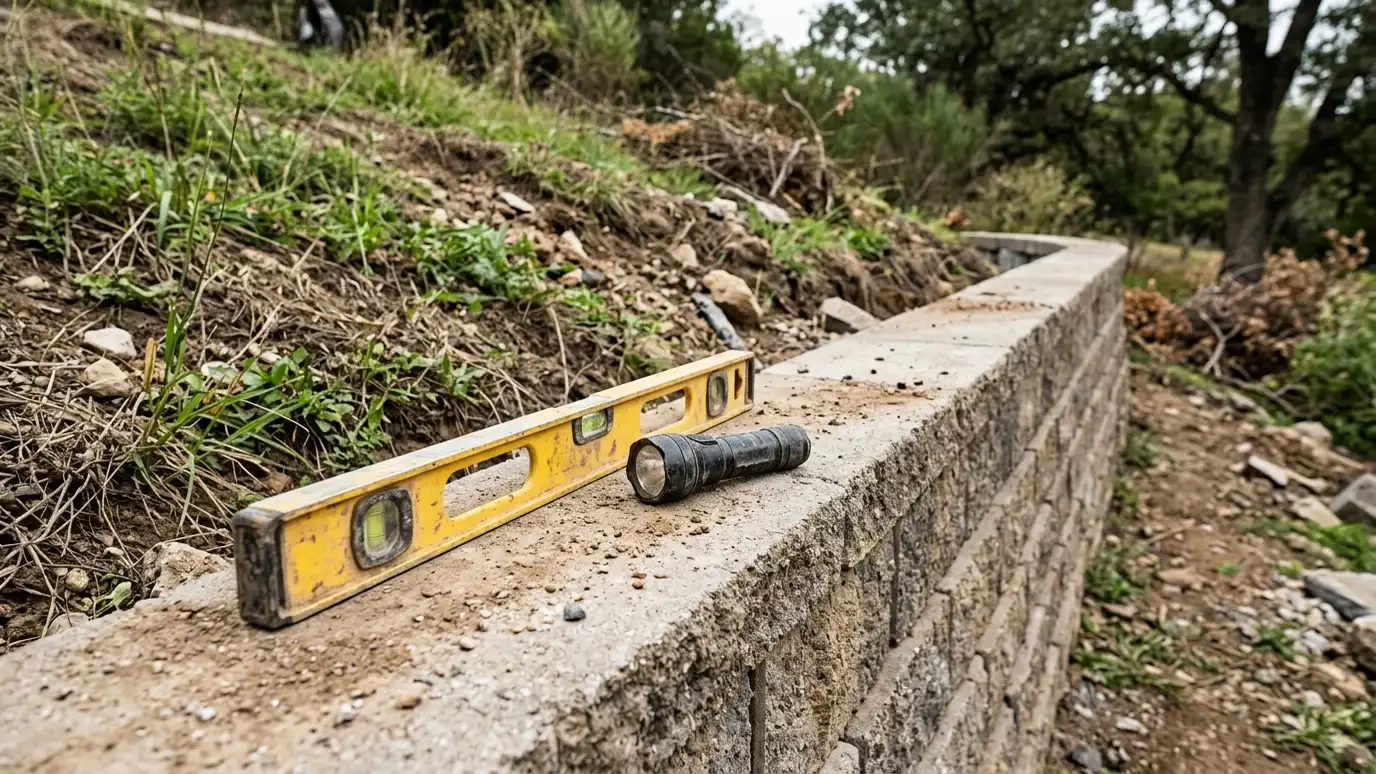
Photograph the wall from the same spot every few weeks. A simple series of pictures shows whether changes are slow or fast, and it helps a professional understand what has been happening.
Common causes
Poor drainage, weak bases, missing reinforcement, overloading, roots and age cause most problems.
Several causes often work together.
A repair that ignores the cause tends to fail again.
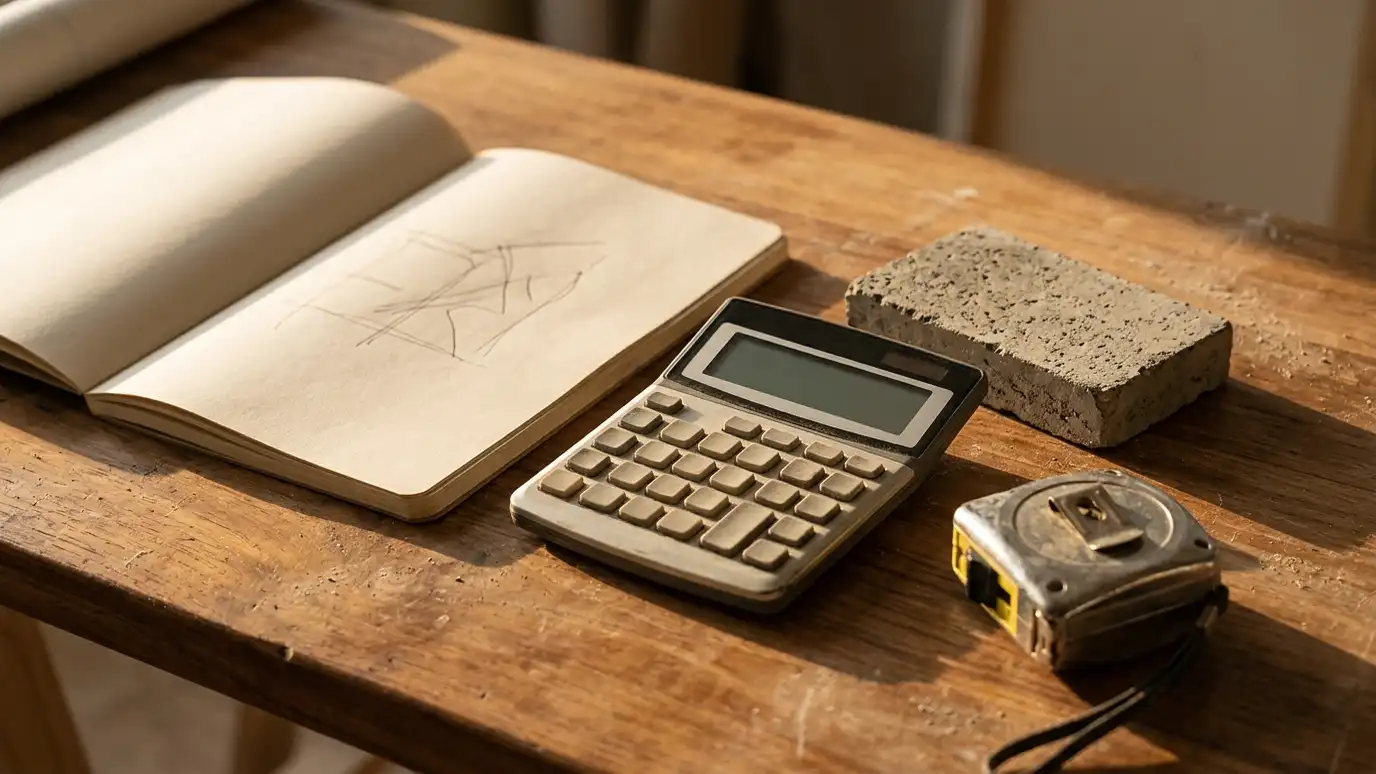
Write down when you first noticed a problem and what the weather was like. Heavy rain, long dry spells and construction nearby can all give clues about the cause.
Small repairs
Clogged drains, loose caps, small cracks and eroded soil can often be repaired without rebuilding. Cleaning outlets and redirecting downspouts help immediately.
Cosmetic cracks may only need sealing and monitoring.
A professional can tell you which are cosmetic.
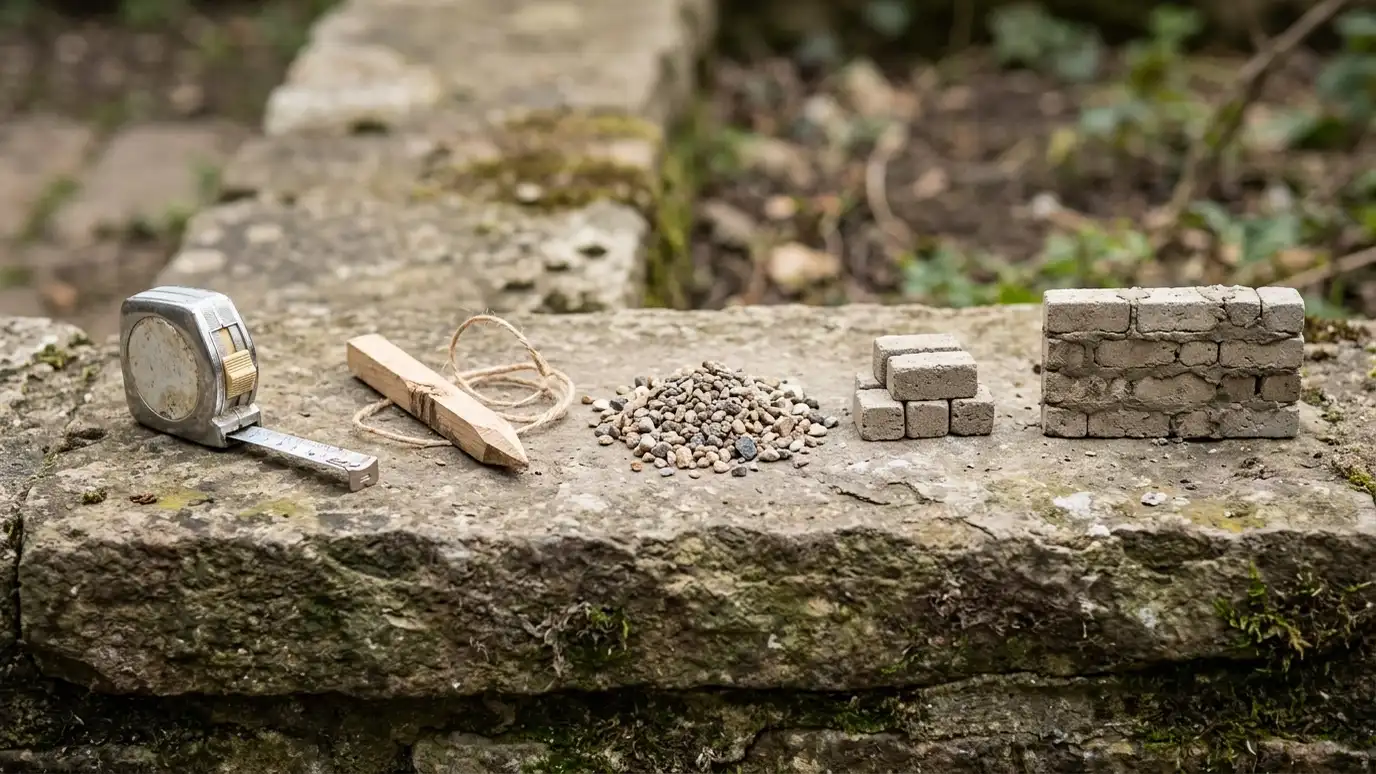
Try the simple things first. Clear outlets, redirect downspouts and keep heavy loads away from the top of the wall. These steps cost little and often help immediately.
Reset and rebuild
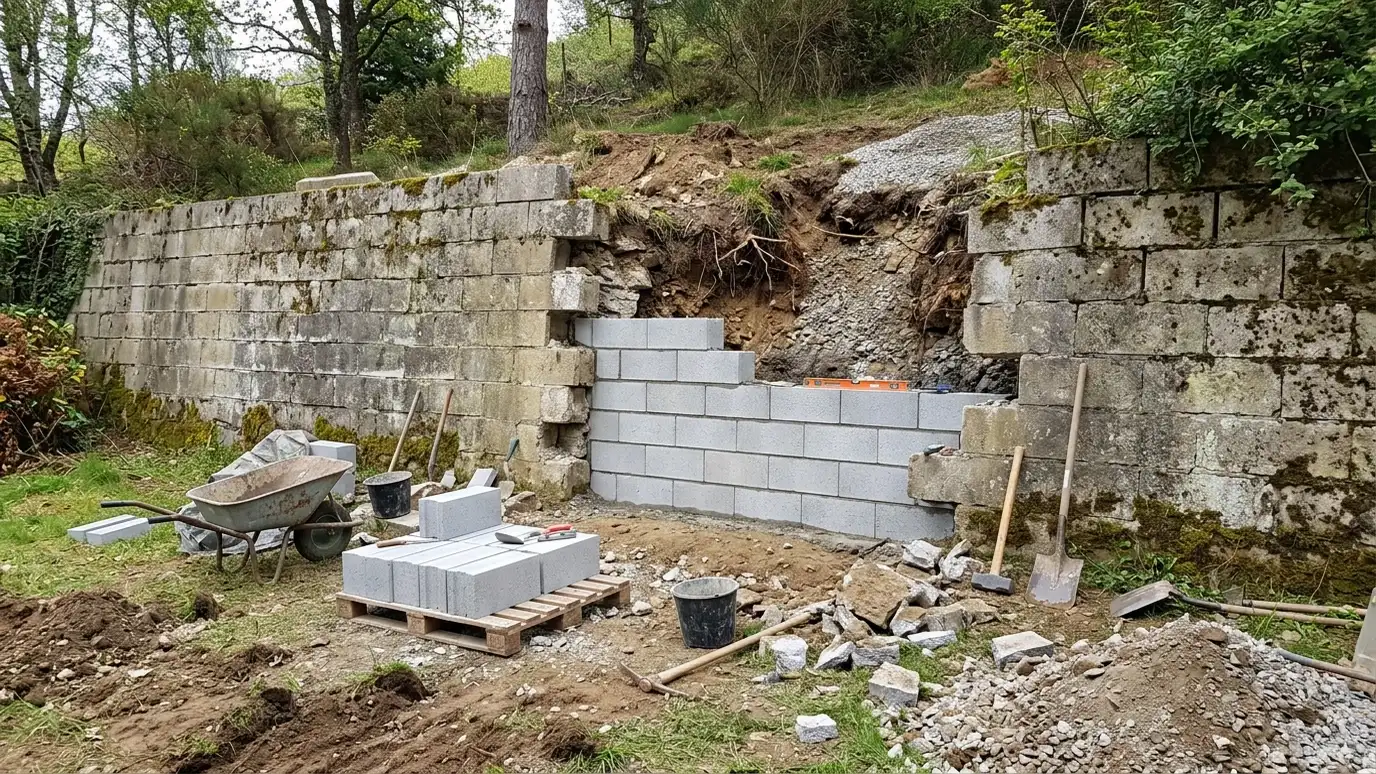
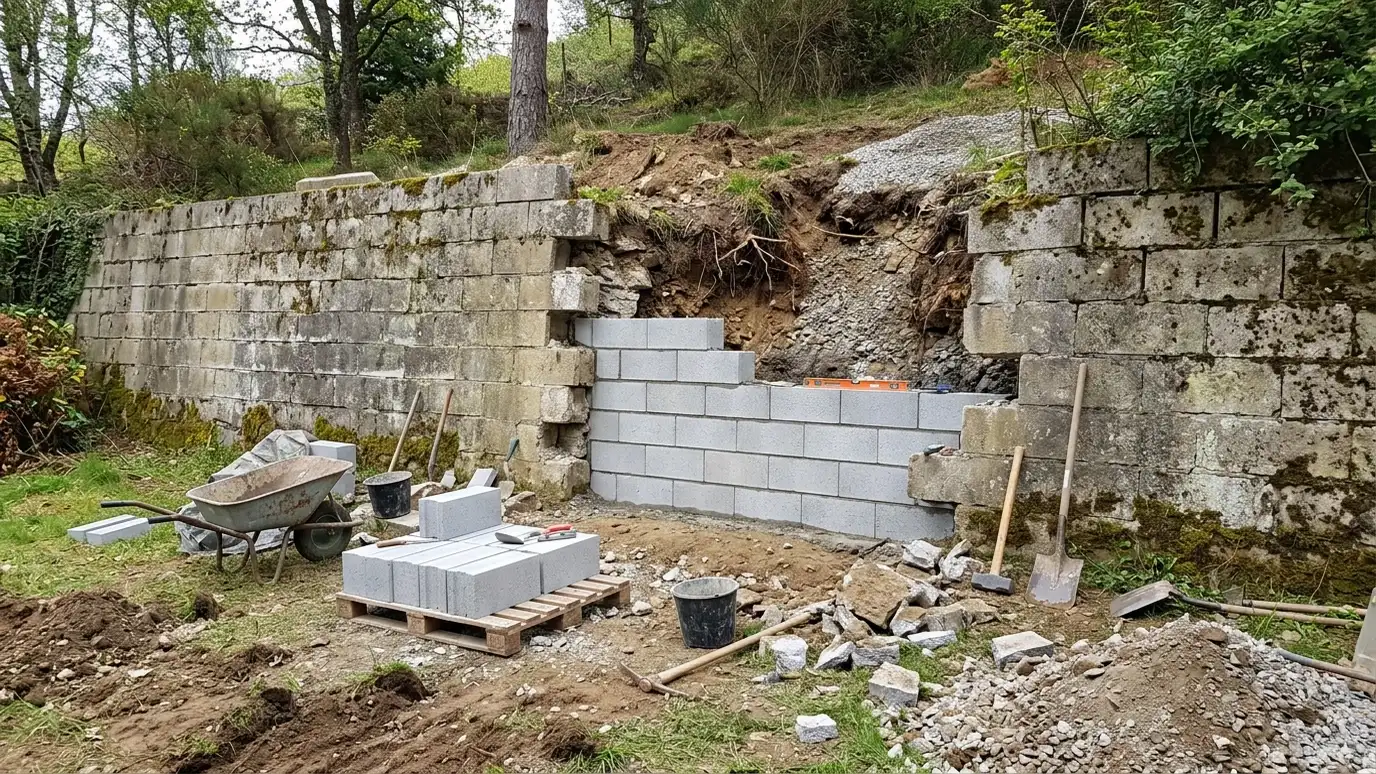
Block walls that have shifted but are otherwise sound can sometimes be taken down and reset on a corrected base with better drainage and reinforcement.
This reuses sound material.
It is a good fit when the units are intact and the cause is clear.
Ask the contractor to explain how a reset would differ from the original build. Better base, drainage and reinforcement are the reasons to rebuild rather than only straighten.
Replacement and stabilization
Walls that have collapsed, rotated or cracked through usually need replacement. Anchors and piers can help in specific cases.
Engineers help decide.
Safety comes first.
When a wall is large or near a structure, ask whether an engineer should be involved. Engineering gives clarity about anchors, piers or replacement and protects everyone.
Prevention
Keep outlets clear, redirect downspouts, avoid piling soil against the wall and check after heavy storms. A yearly look catches small issues.
Plant carefully near walls.
Keep records of repairs.
Create a small file with photos, notes and repair records. Future owners and contractors will thank you, and it helps you spot patterns over time.
Find the cause before choosing the fix, and treat fast movement or large cracks as urgent.