Calling for utility locates, protecting buried lines and planning around gas, electric, water and communications.
Buried utilities are everywhere, and hitting one is dangerous and expensive. Gas, electric, water, sewer and communications lines often run close to where walls go. Owners in Nashville should always call before digging, and we make that part of every project. Good planning also keeps walls clear of lines so repairs do not require tearing them out later.
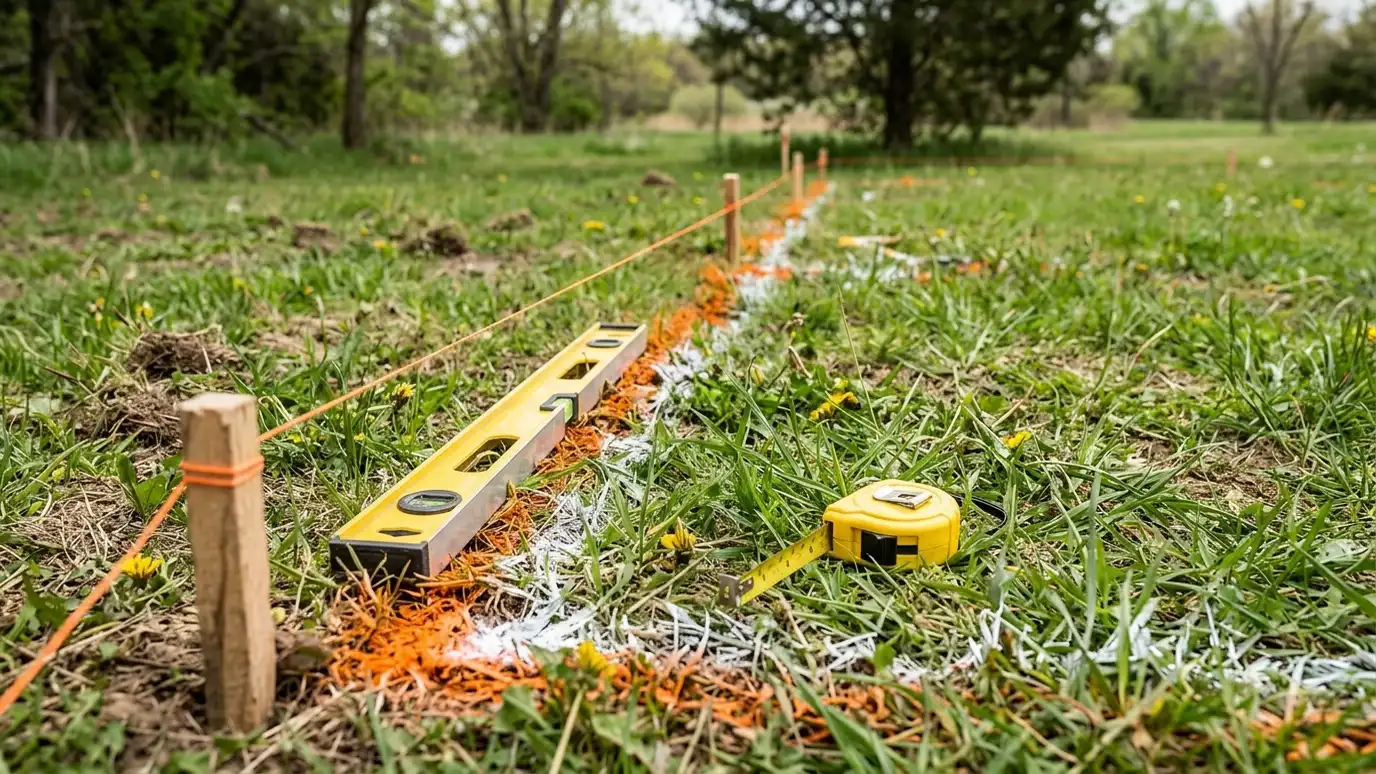
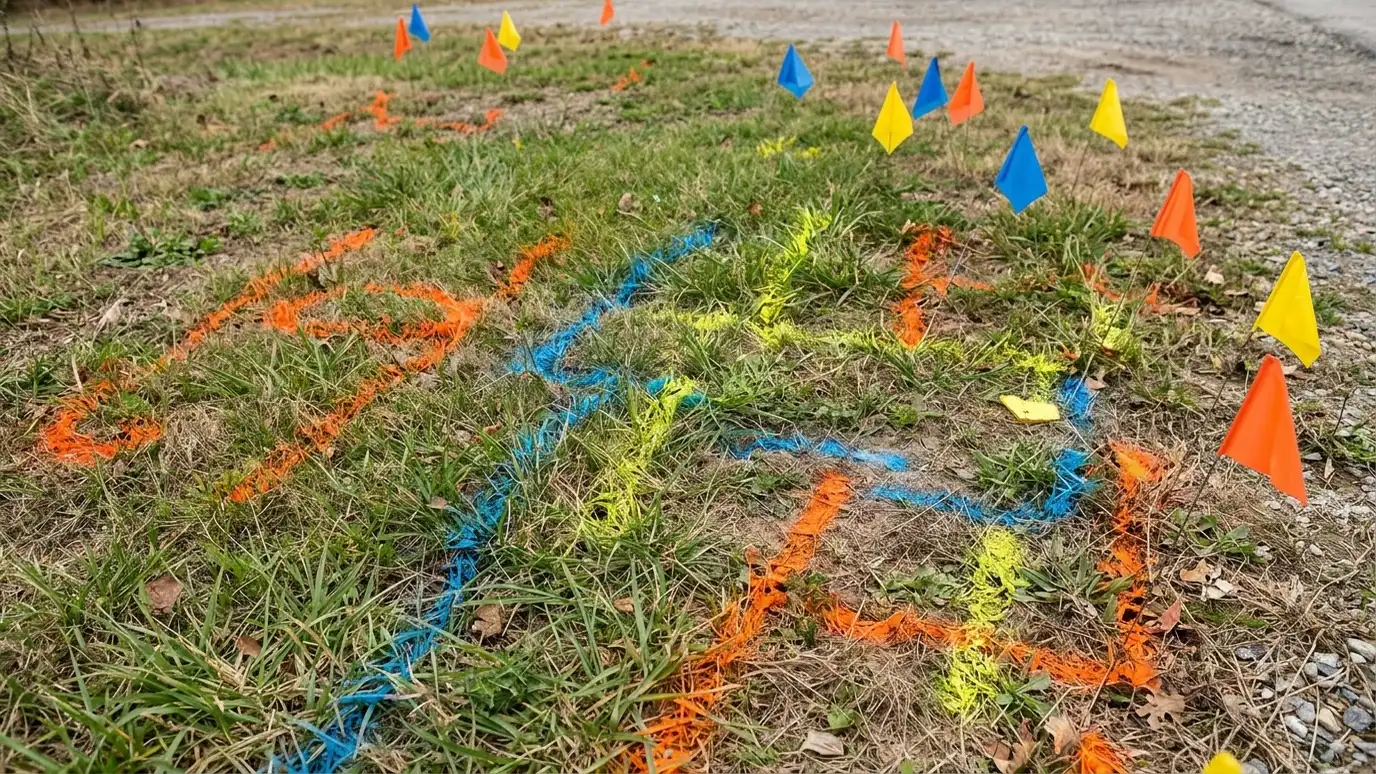
We begin with a Free Estimate and check the site for meters, pedestals and signs of buried lines. We call the state one-call center before digging and wait for marks. We review the marks, plan walls and drains around them, hand dig near lines and coordinate with utility companies if relocation or protection is needed. Private lines, such as irrigation, lighting and septic, are not always marked, so we ask you about them and look carefully. Even after locates are marked, surprises can happen. Marks fade, lines can be deeper or shallower than expected and old abandoned lines may still be in the ground. We keep marks visible, protect them with flags or paint and stay alert as we dig. If we find something unexpected, we stop, assess and call the utility if needed. Taking a little extra time protects people, property and your schedule.
Utility locates are a required first step.
Irrigation, lighting and septic lines need attention.
We expose lines carefully instead of using machines.
Walls and drains avoid lines and keep access clear.
Drag the handle to compare.
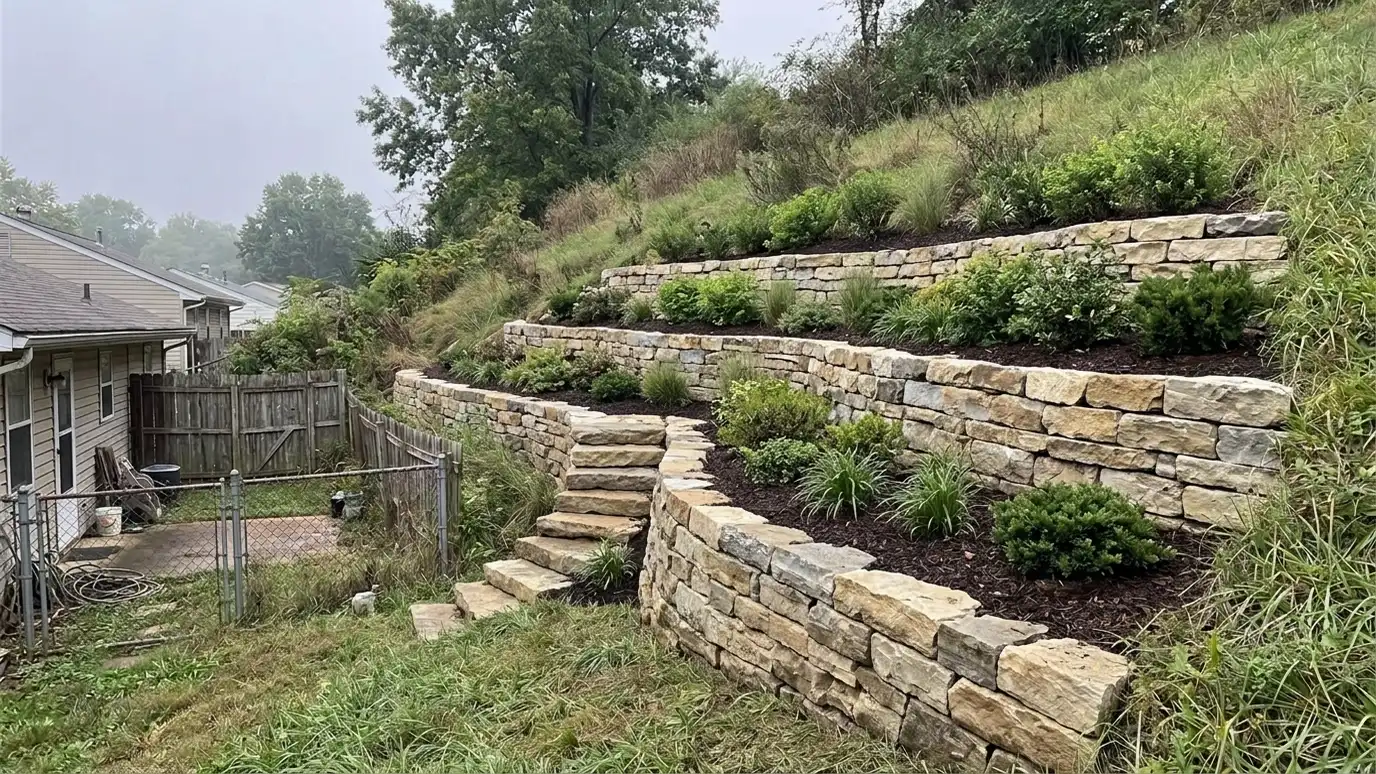
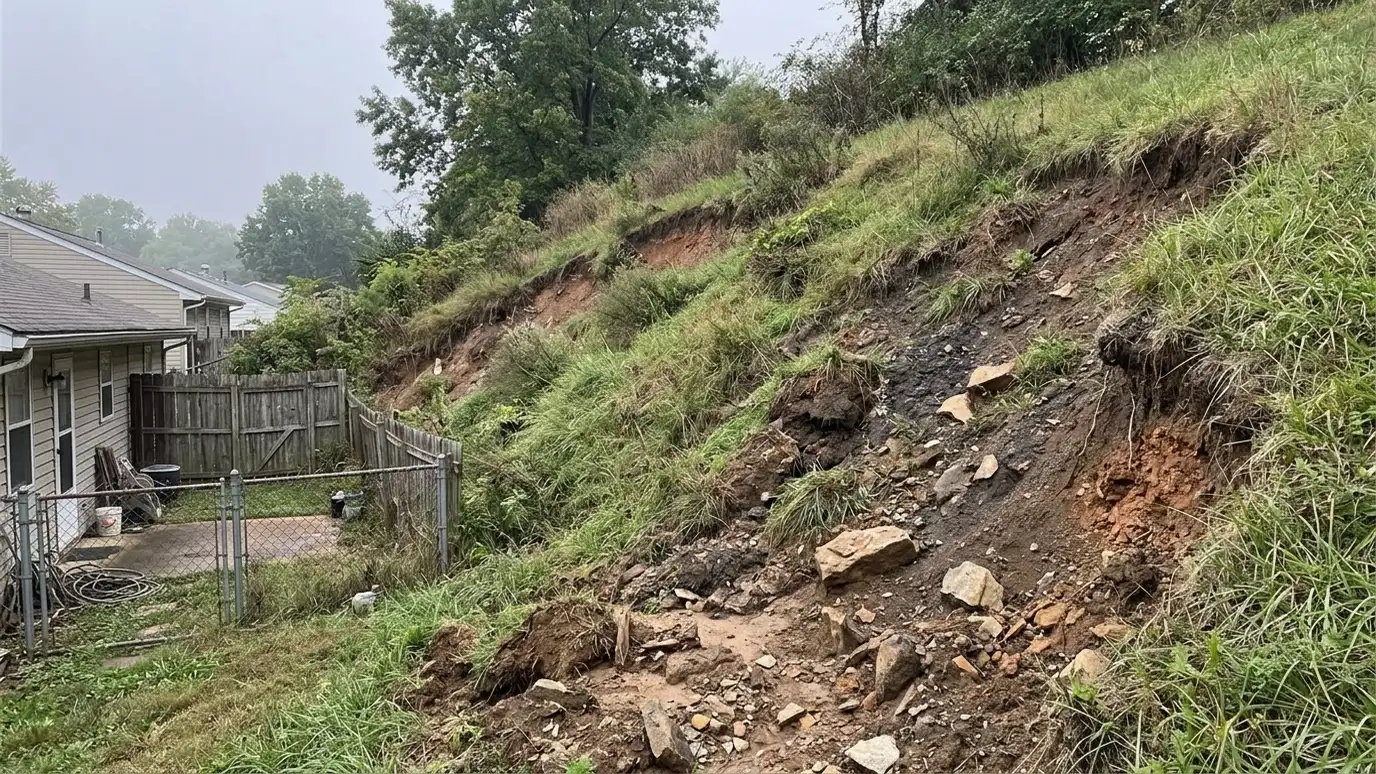 BeforeAfter
Meters and signs noted.
Utilities marked.
Layout updated.
Owner knowledge gathered.
Hand dig near marks.
Lines safeguarded.
Every topic has its own page with what to expect and how we approach it.
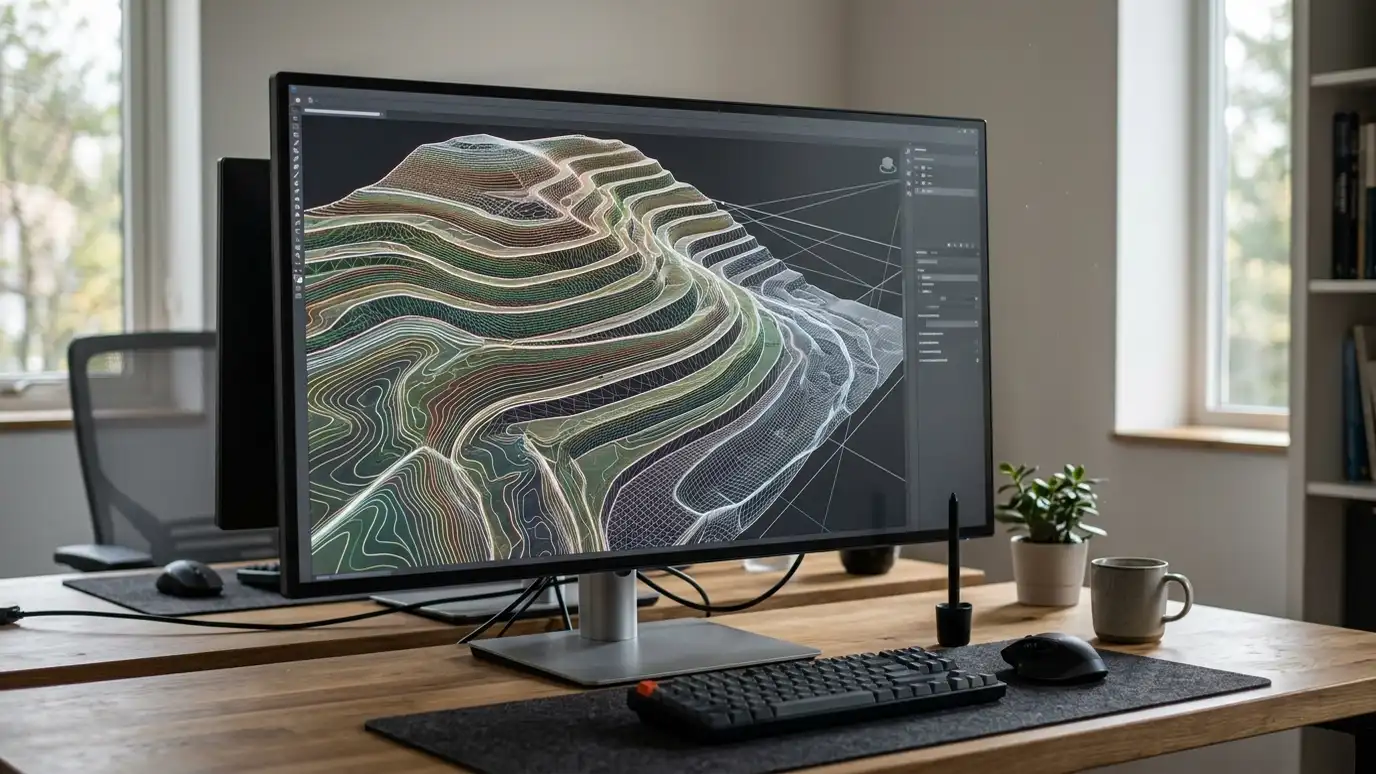 ResourceGoogle EarthA mapping tool that shows satellite imagery, terrain and measuring tools for places around the world.Learn more ResourceEsri ArcGISA geographic information system platform used to map, analyze and share location data such as parcels, soils and…Learn more
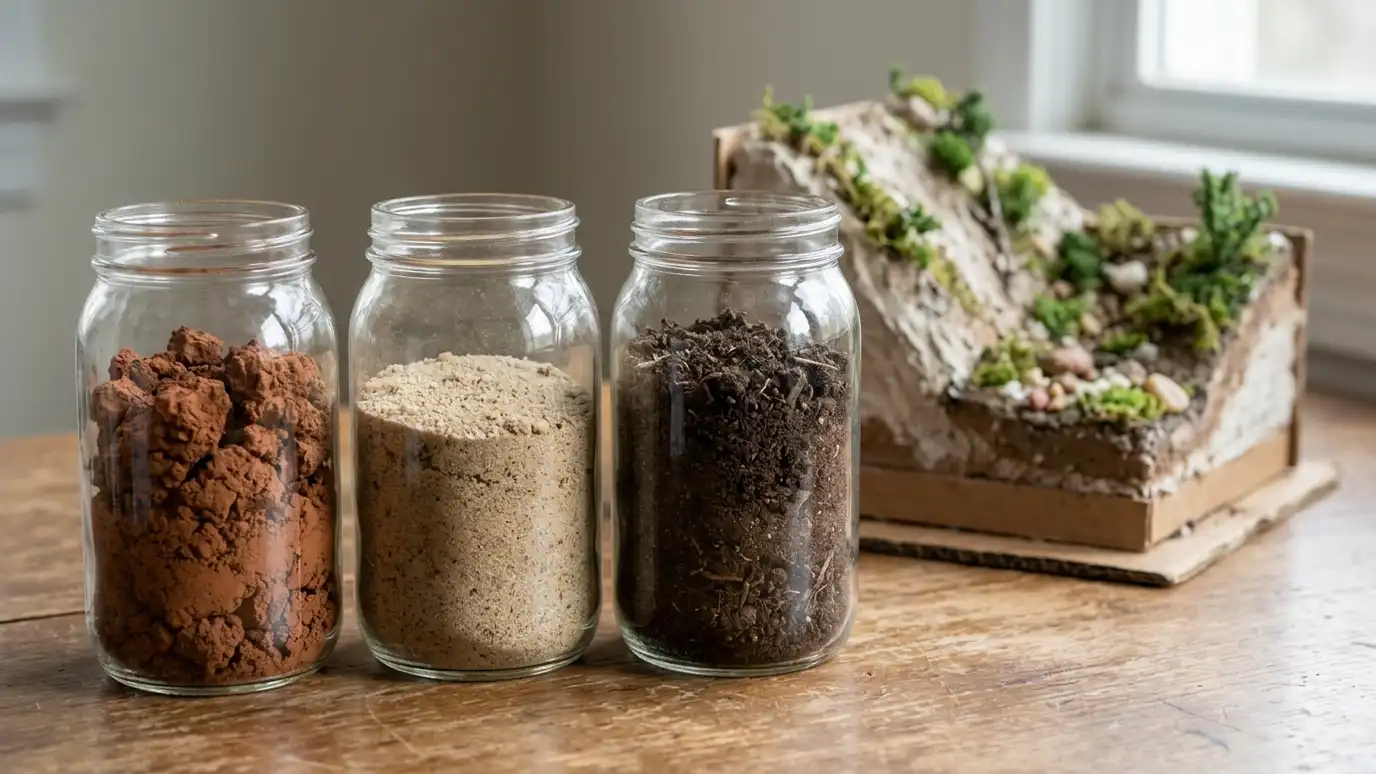 Comparison guideSoil Types and SlopesHow clay, silt, sand, rock and fill behave behind a retaining wall and why slope angle, water and…Learn more
Enter slope height and distance to see how many tiers may suit the grade, how far apart to space them and how wide the shelves can be.
You tell us what is wrong or what you want to build, and we set a visit that fits your day.
We walk the site, measure heights and lengths, look at soil and water paths and talk through what you want the space to do.
You receive a plain written scope with materials, drainage, engineering needs and the schedule before work begins.
We locate utilities, stake the wall line, excavate and build a compacted base that will carry the wall.
We build the wall course by course, add reinforcement as designed, install drains and place and compact clean backfill.
We add caps, steps and planting, clean up, restore the site and walk through the finished wall with you.
Contact the state one-call service before any digging. We do it for our projects.
Usually a few working days, and we plan for it.
Often not. Tell us about irrigation, lighting and septic lines.
We adjust the plan or coordinate relocation.
Know where the tank and field are, and we avoid them.
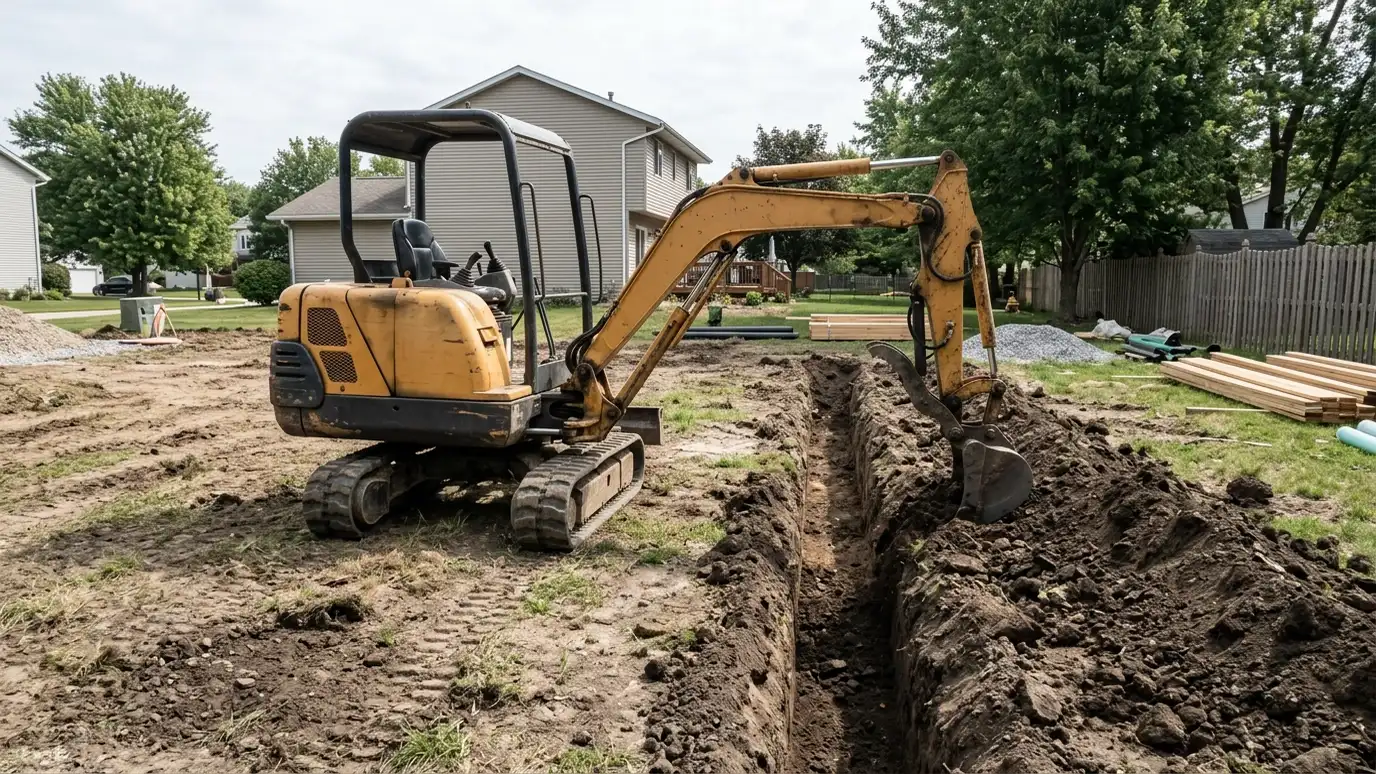 Excavation and Soil RemovalCareful digging, hauling and disposal of soil and debris for wall footings, drains and site changes.Explore
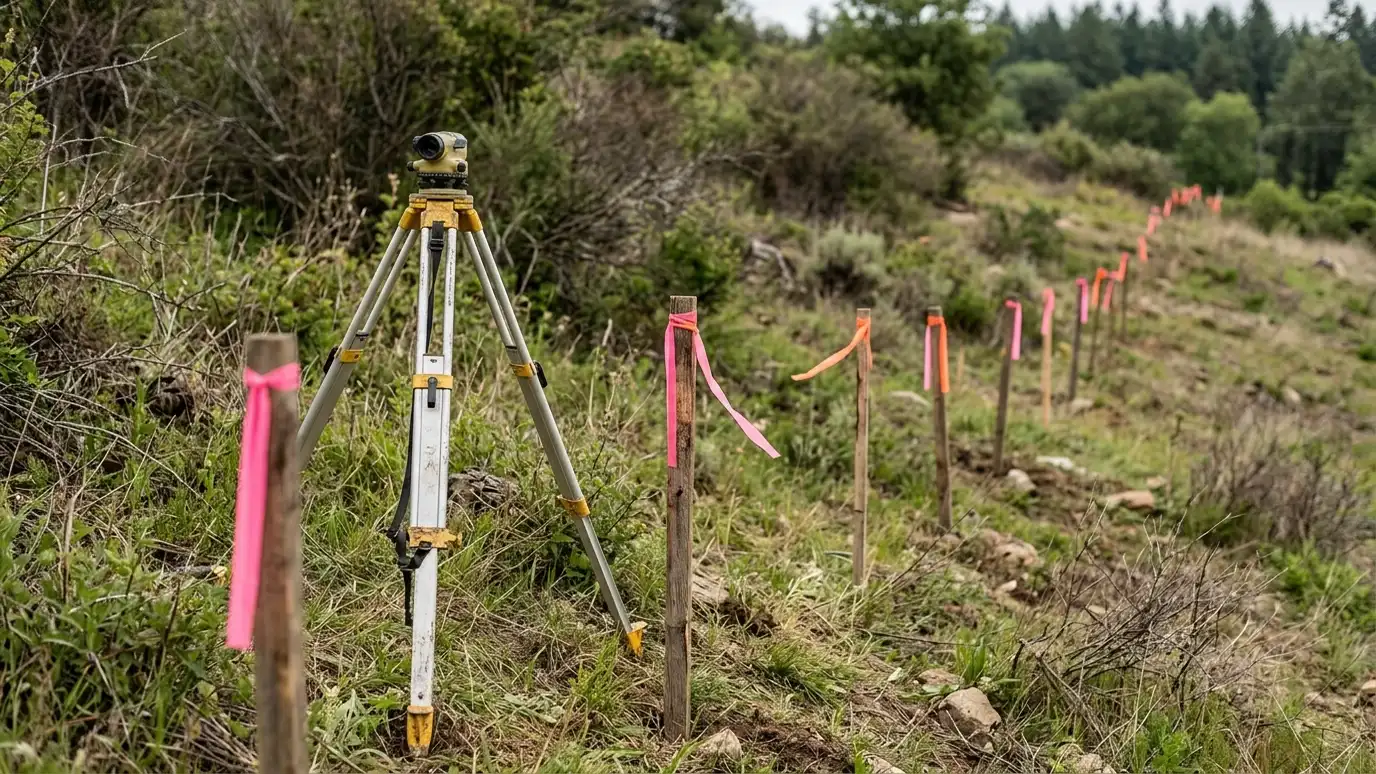 Survey and Property Line PlanningUnderstanding boundaries, easements and setbacks before building a wall near the line.Explore
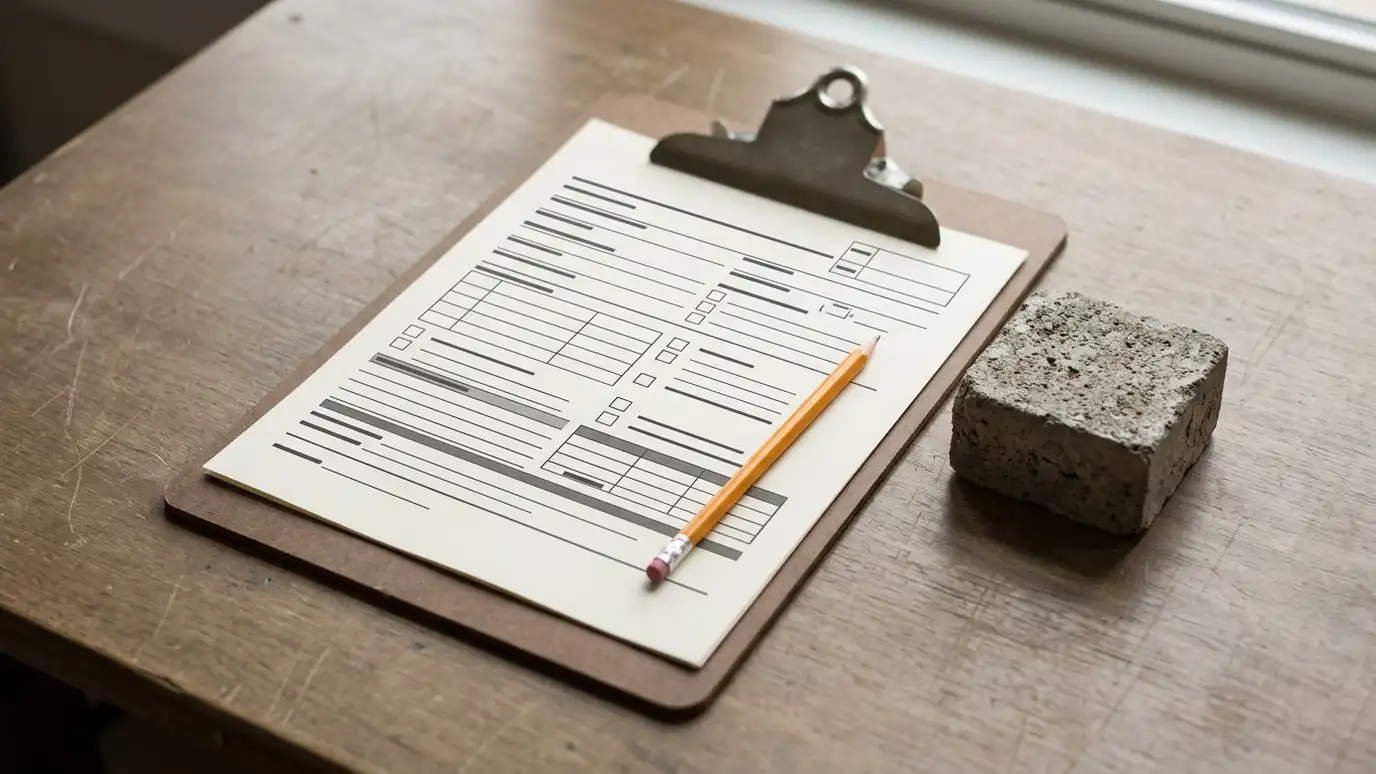 Permit and Code GuidanceHelp finding out what permits, inspections and code rules apply to your wall, and preparing the information the…Explore
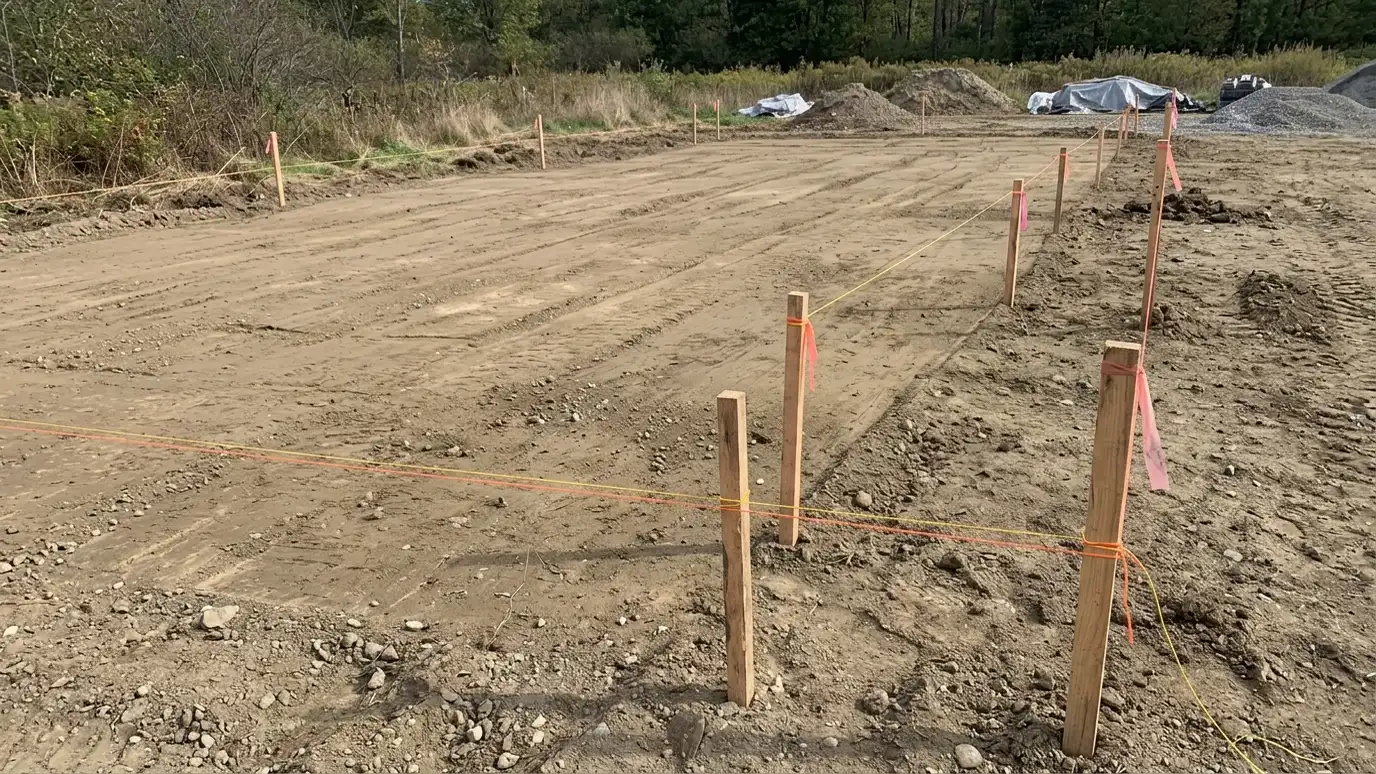 Grading and Site PreparationShaping the ground, setting grades and preparing sites for walls, patios, driveways and landscapes.Explore
Tell us about your project and we will call you back to set up a visit.
Or call (615) 357-7797 to talk now.