Membranes, drainage boards and sealants that keep moisture out of concrete walls and basement spaces.
Walls next to living spaces, and poured walls in general, benefit from waterproofing on the soil side. A membrane and drainage board keep moisture from soaking into the concrete and help water drop to the drain. Owners in Nashville with walkout basements, pool walls and tall concrete walls often ask about it.
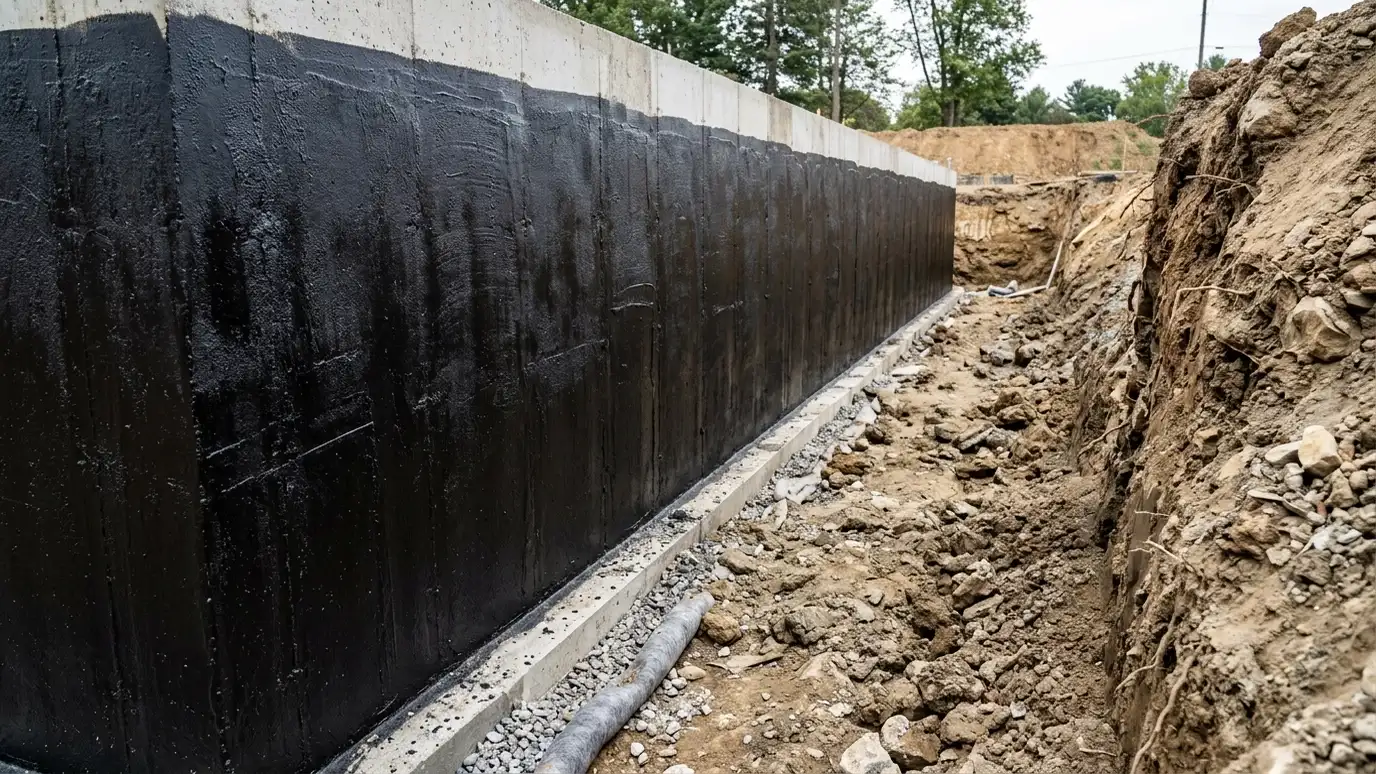
We start with a Free Estimate and review how the wall is built and what sits on the other side. We prepare the surface, apply the membrane or coating as the manufacturer directs, add drainage board and protection layers and connect to the drain pipe. We take care with joints, corners and penetrations, which are common leak points. Waterproofing works only with a good drain, so we check both together. Waterproofing often succeeds or fails at the edges. At corners, wall-to-footing joints, pipe penetrations and the top of the membrane, small details decide whether water finds a path. We use the transitions the manufacturer recommends, terminate membranes with proper edges and protect everything from damage when stone and backfill go in. After the work, we keep notes on the products and layers used so a future owner or inspector knows what is behind the wall. We are glad to explain each layer, why it is there and what care it needs over time, in plain language.
Clean, sound surfaces help products bond.
Corners, joints and penetrations are the weak points.
A dimpled board lets water slip down to the drain.
Protection layers keep membranes from tearing during backfill.
Drag the handle to compare.
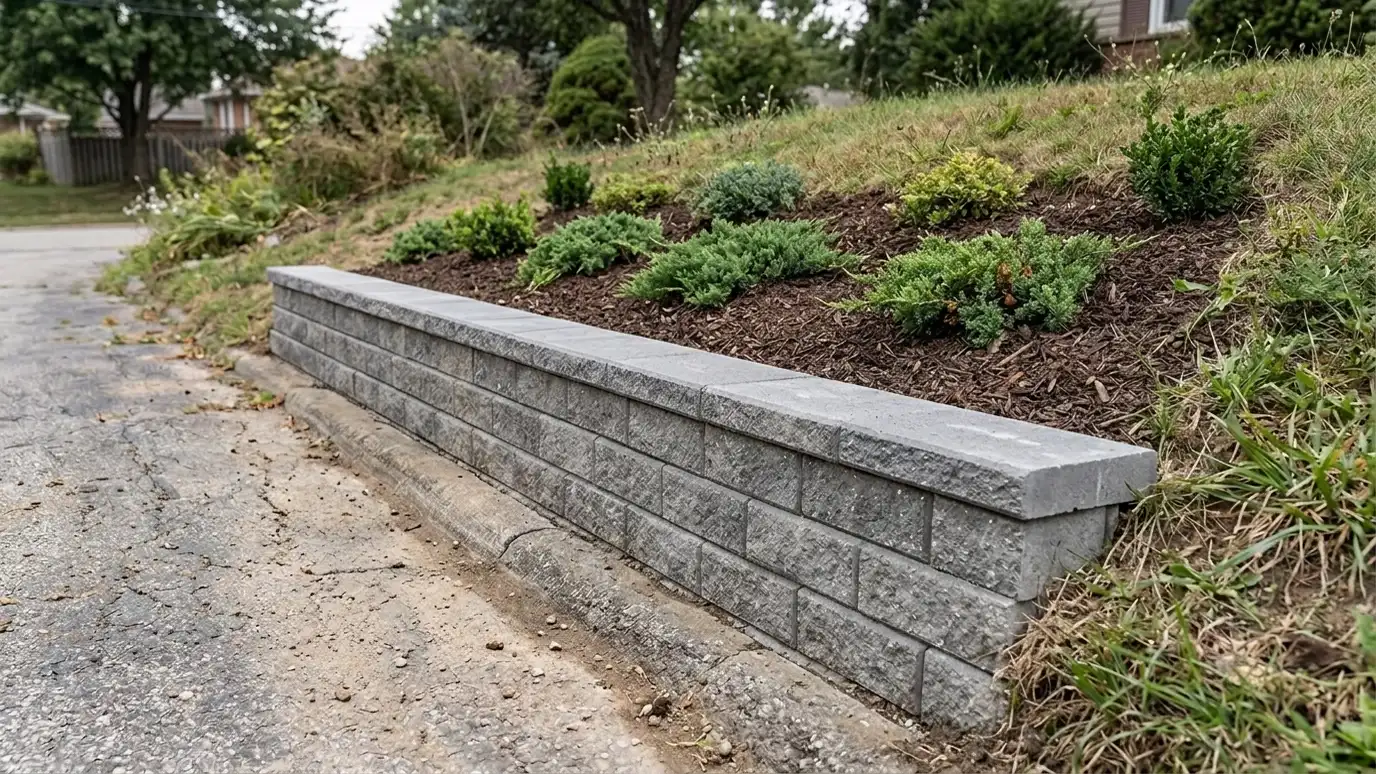
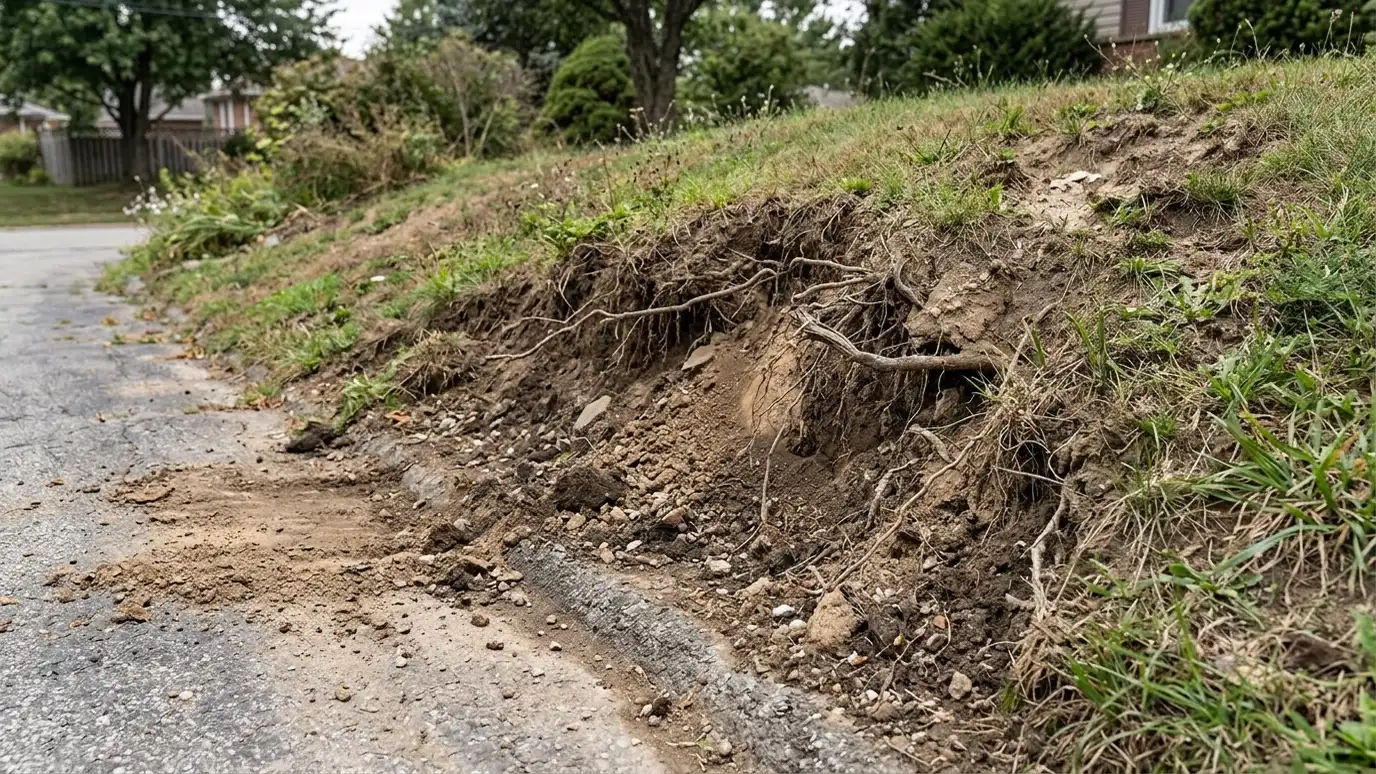 BeforeAfter
Surface and risks noted.
Surface cleaned.
Product applied.
Installed.
Added.
Checked.
Every topic has its own page with what to expect and how we approach it.
 ResourceNRCSA free public tool from a federal agency that maps soil types and describes their properties for a…Learn more ResourceUSGSA federal science program that studies landslides, their causes and warning signs and shares maps and information.Learn more
 ResourceNational Weather ServiceThe local National Weather Service office page for Middle Tennessee forecasts, warnings and weather information.Learn more
Enter wall length and height to see face area, block count, base stone, drain pipe and geogrid layers to plan for.
You tell us what is wrong or what you want to build, and we set a visit that fits your day.
We walk the site, measure heights and lengths, look at soil and water paths and talk through what you want the space to do.
You receive a plain written scope with materials, drainage, engineering needs and the schedule before work begins.
We locate utilities, stake the wall line, excavate and build a compacted base that will carry the wall.
We build the wall course by course, add reinforcement as designed, install drains and place and compact clean backfill.
We add caps, steps and planting, clean up, restore the site and walk through the finished wall with you.
They differ in performance. We explain which fits your wall.
It reduces moisture, and good drainage is also needed. We do not promise perfection.
Not always. Walls near living space or poured walls benefit most.
During construction, before backfill.
Sometimes by excavating, which is more work.
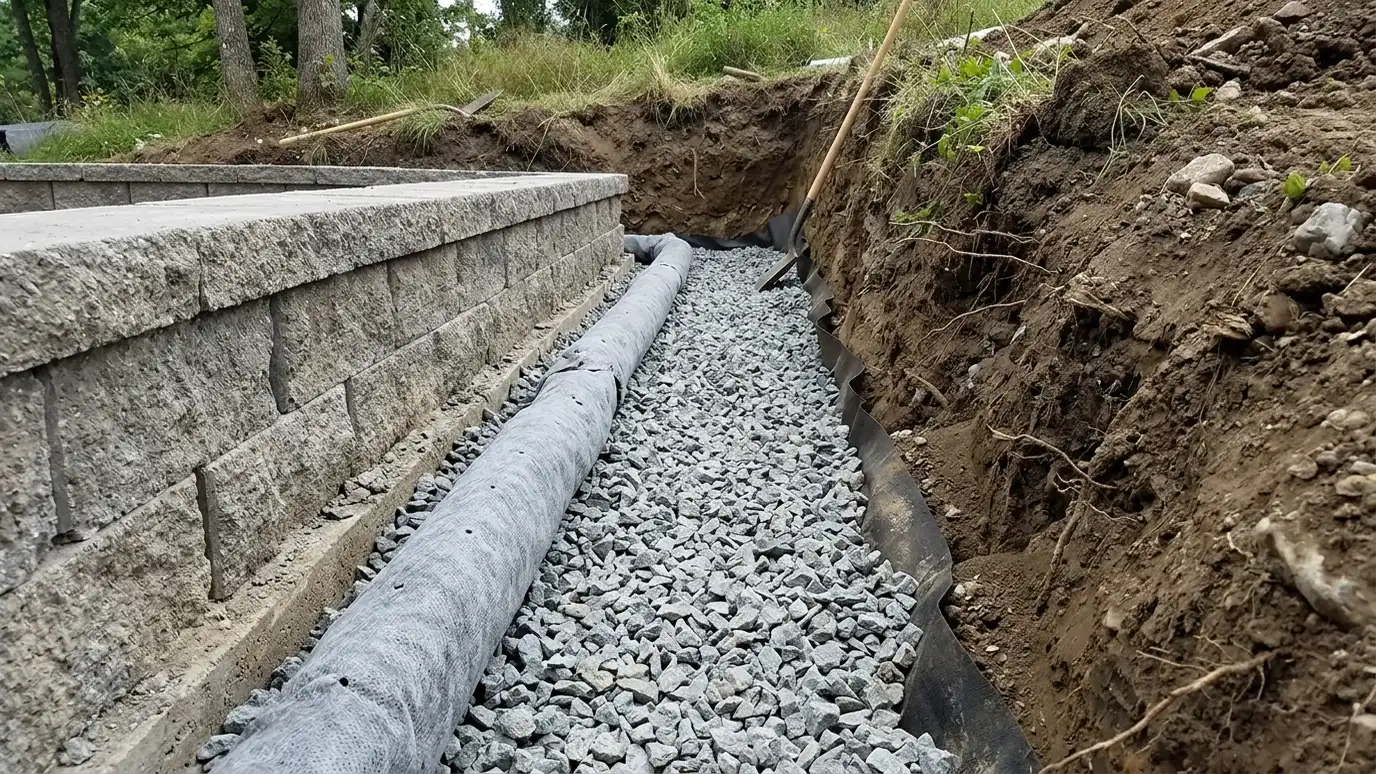 Retaining Wall Drainage SystemsPerforated drain pipe, clean gravel, filter fabric and clear outlets that keep water pressure off your wall.Explore
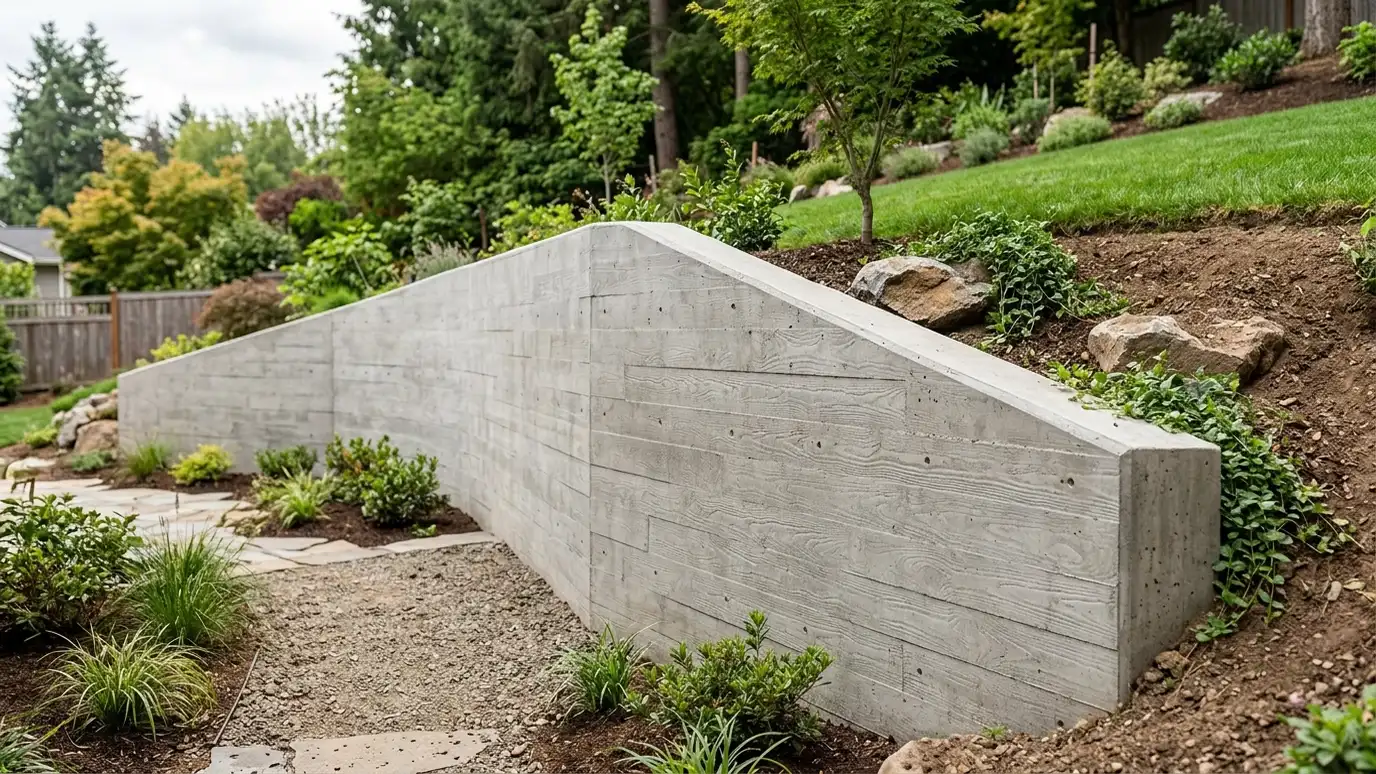 Poured Concrete Retaining WallsReinforced cast-in-place concrete walls for tall, heavily loaded or very clean-lined applications, with forms and finishes you choose.Explore
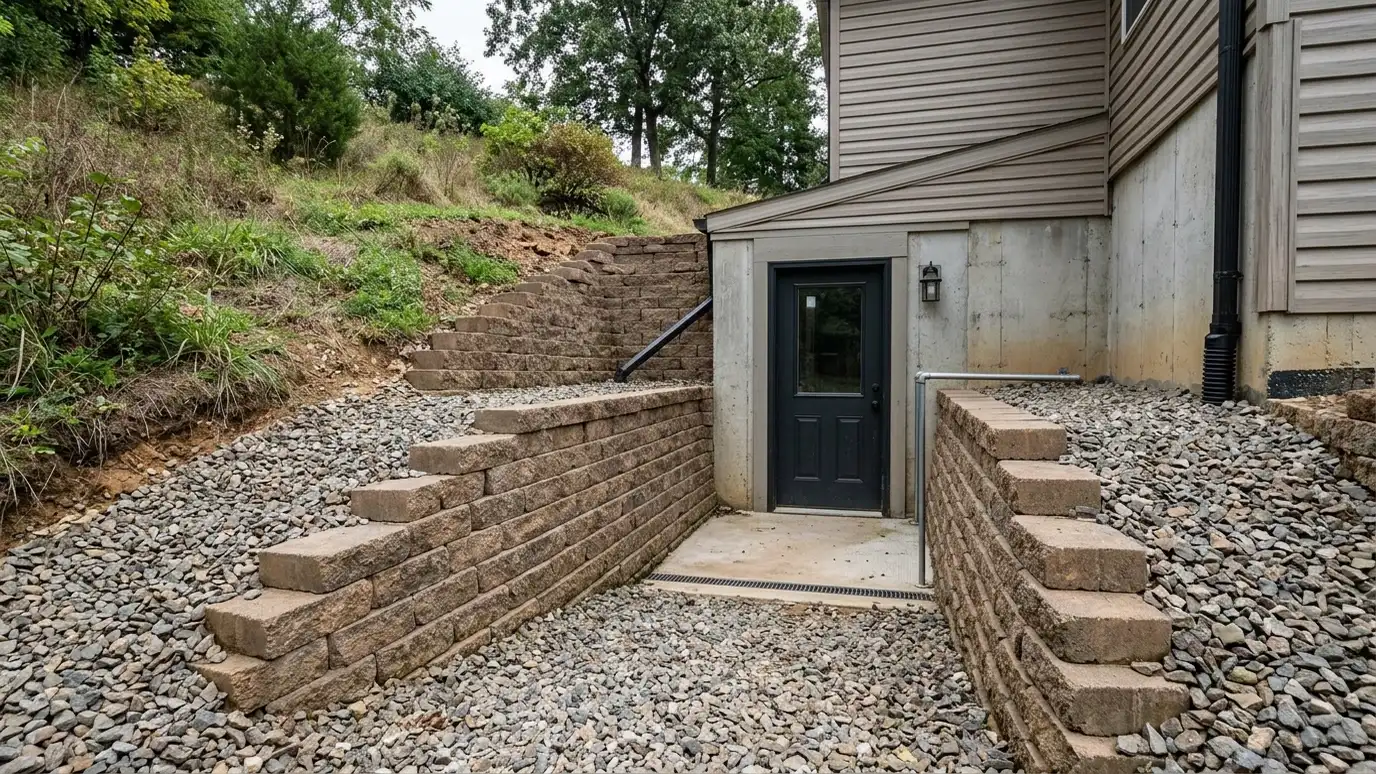 Walkout Basement Retaining WallsStrong, waterproofed walls that hold soil beside walkout basements, patios and stairwells and keep water away from the…Explore
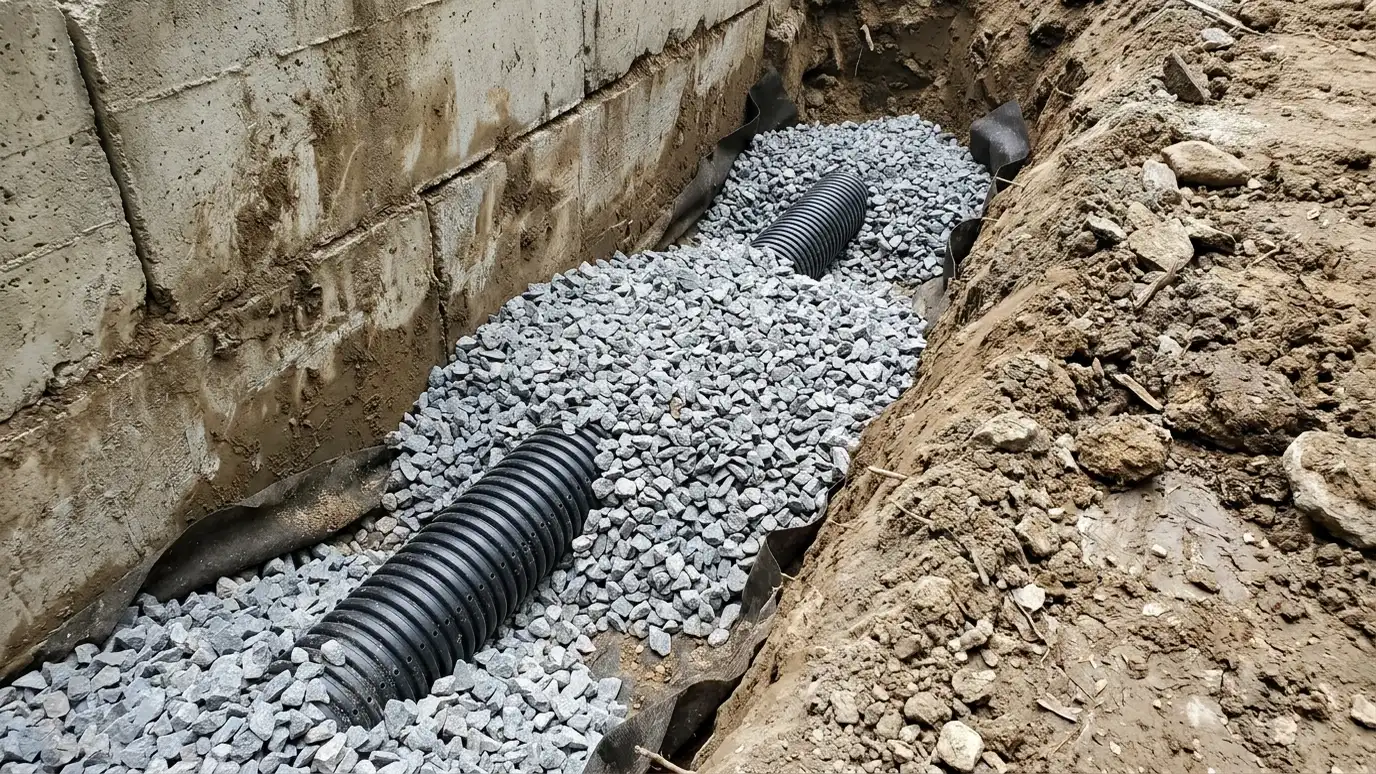 Drainage Repair Behind WallsFinding and fixing clogged, crushed or missing drains and saturated backfill that push on walls.Explore
Tell us about your project and we will call you back to set up a visit.
Or call (615) 357-7797 to talk now.