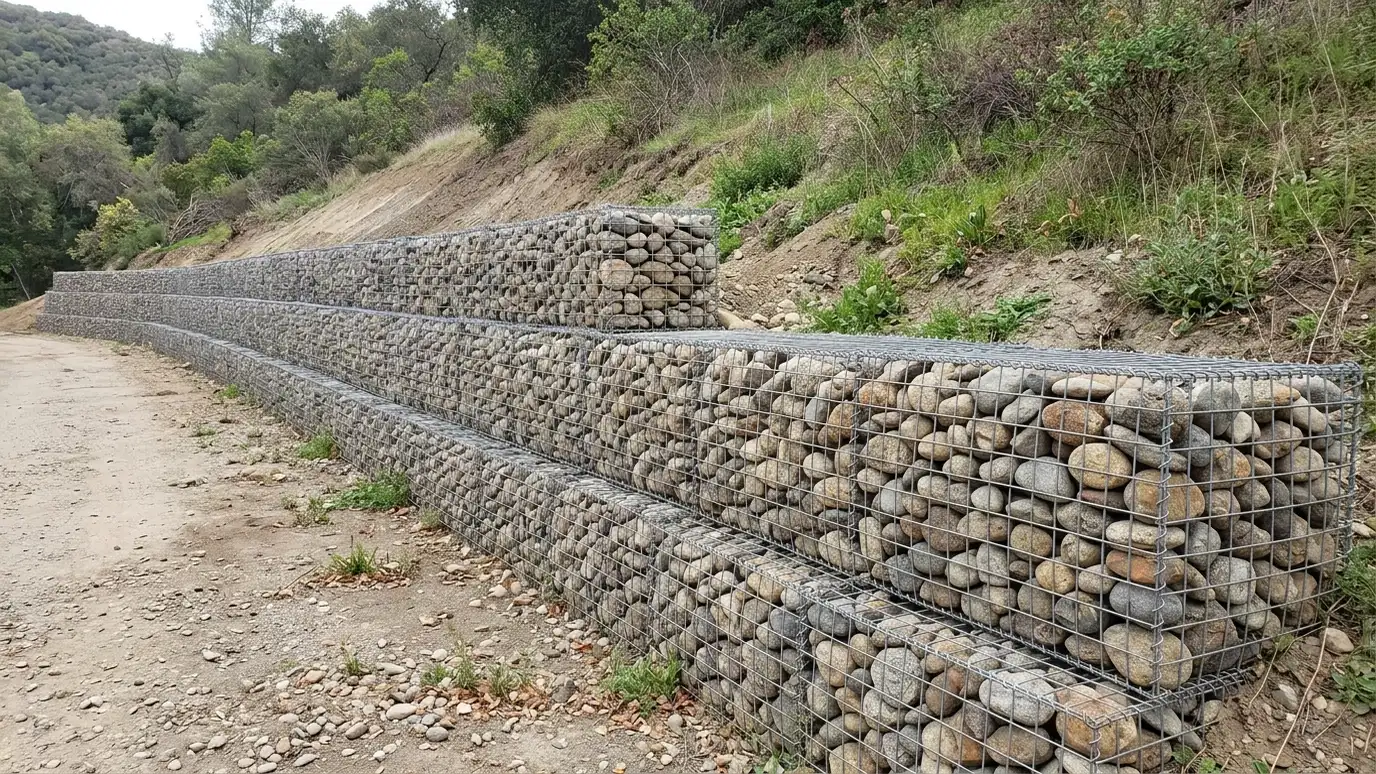
Wire baskets filled with stone, stacked to form free-draining walls with an industrial-natural look.
Gabions are wire baskets filled with stone, and they make free-draining, flexible retaining walls with a distinctive modern look. They work well on slopes, creek banks and areas where water movement is a concern. Owners in Nashville choose gabions for their drainage, their adaptability to uneven ground and their clean, contemporary appearance.
We start with a Free Estimate and review the site and wall height. We prepare a level base, assemble and place the wire baskets, fill them in lifts with sized stone, close the lids and stack additional layers in a stepped profile when needed. Taller gabion walls are engineered, and we coordinate details like backfill, filter fabric and connections between baskets. Gabion walls reward careful filling. Stone placed by hand in lifts looks tighter and more attractive than stone dumped in, and tight packing helps the baskets hold their shape. We also pay attention to the face, using larger, cleaner stone where it shows and smaller stone toward the back. Lids are closed and tied, and stacked layers are connected so the wall acts as one body. Planting along the top and base can soften the industrial look if you prefer something more natural.
Water passes through the stone fill, which reduces pressure behind the wall.
Gabions tolerate small movements without cracking.
Stone textures and wire frames suit modern and industrial designs.
Local stone colors can match the surrounding landscape.
Drag the handle to compare.
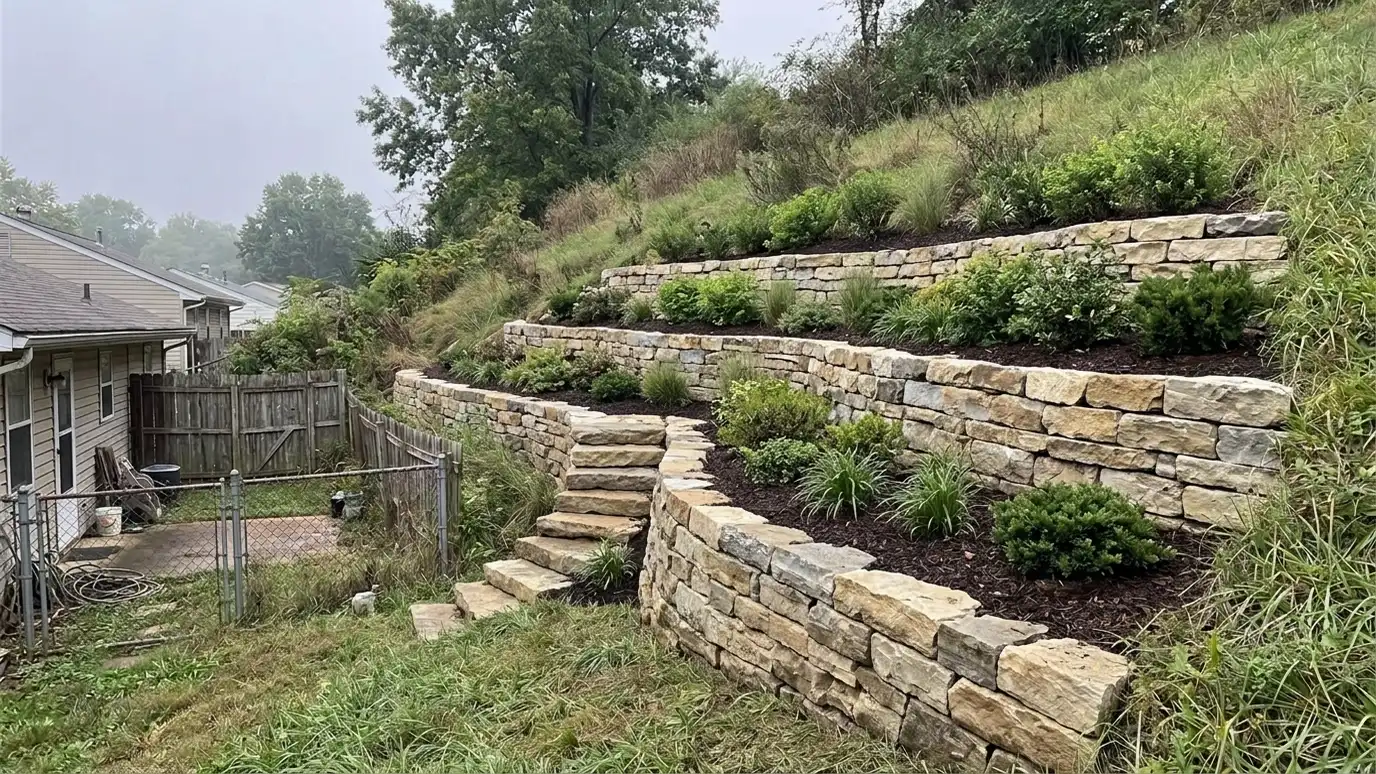
 BeforeAfter
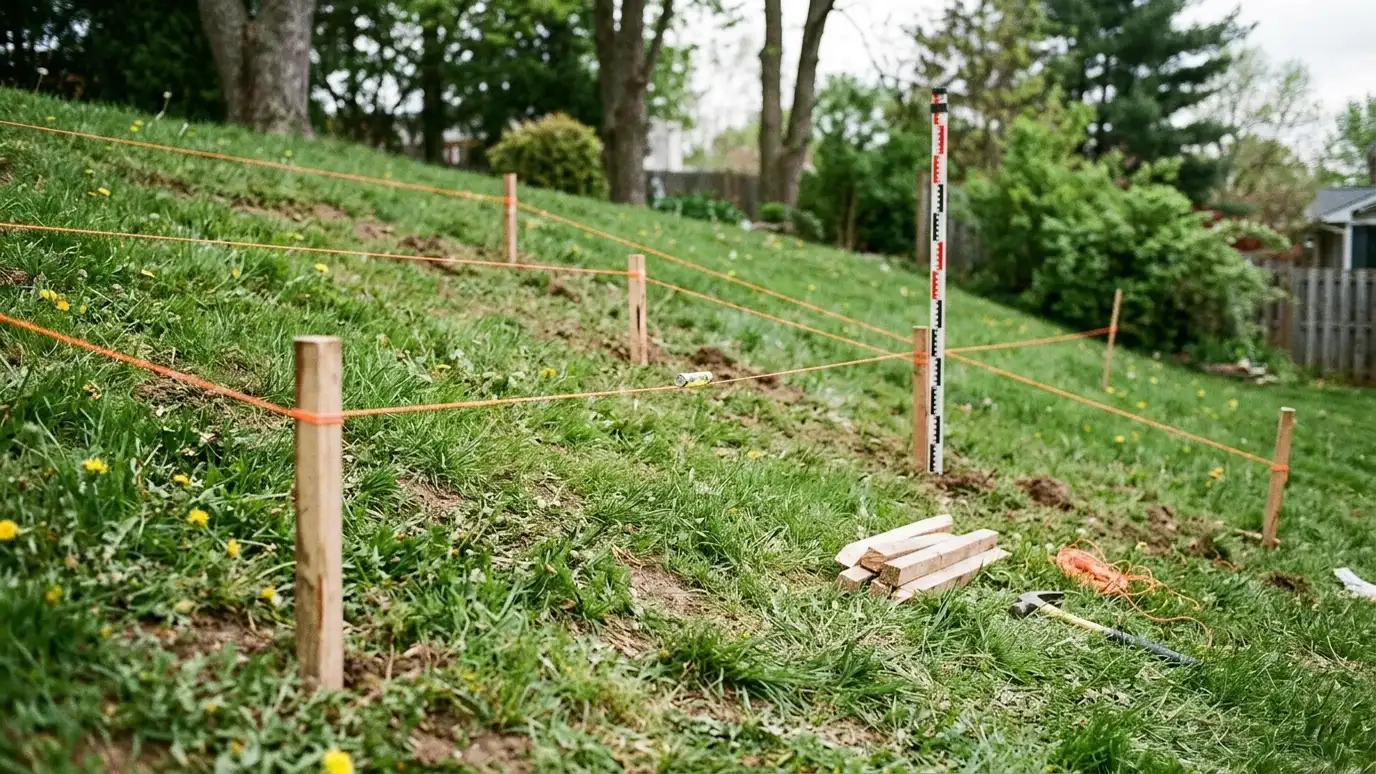
Slope, soil and water noted.
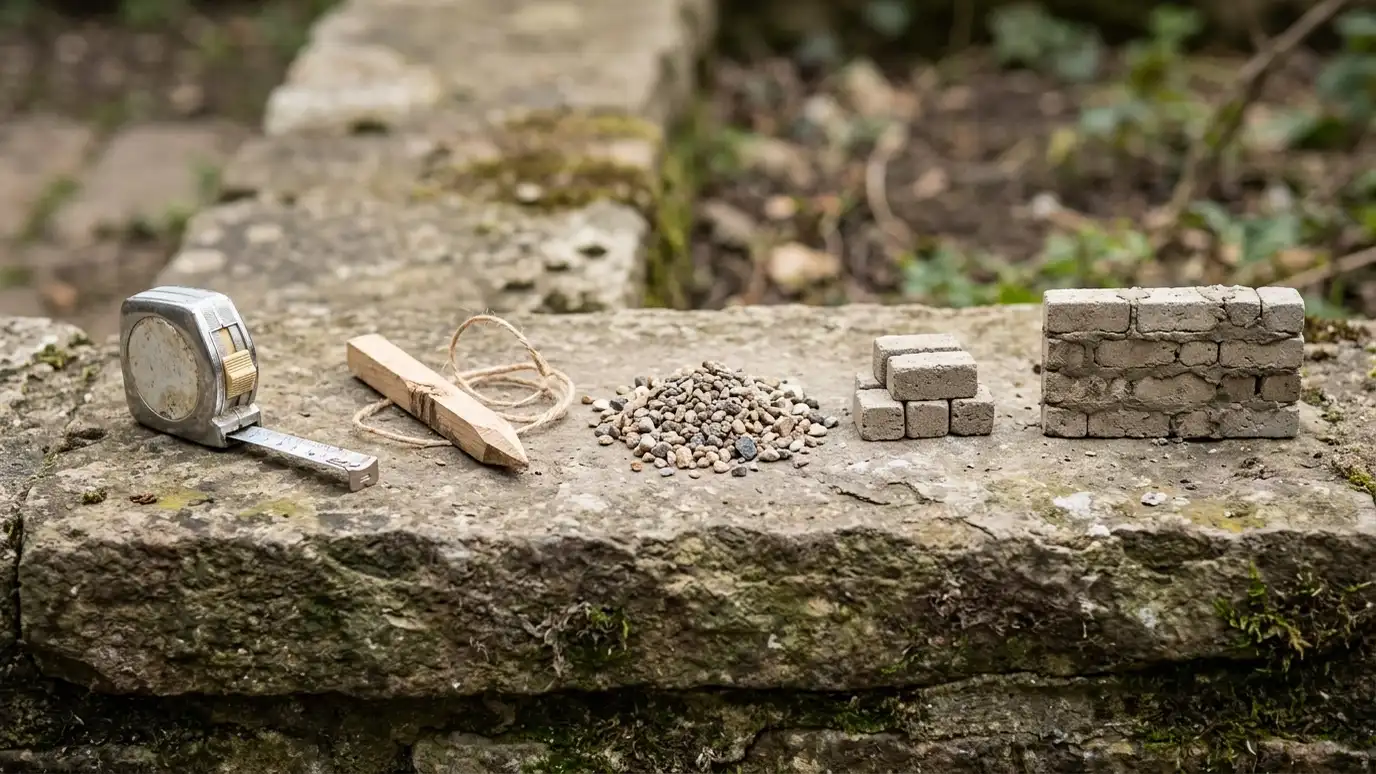
Level foundation built.
Wire units set and tied.
Fill placed in lifts.
Layers connected.
Soil and fabric completed.
Every topic has its own page with what to expect and how we approach it.
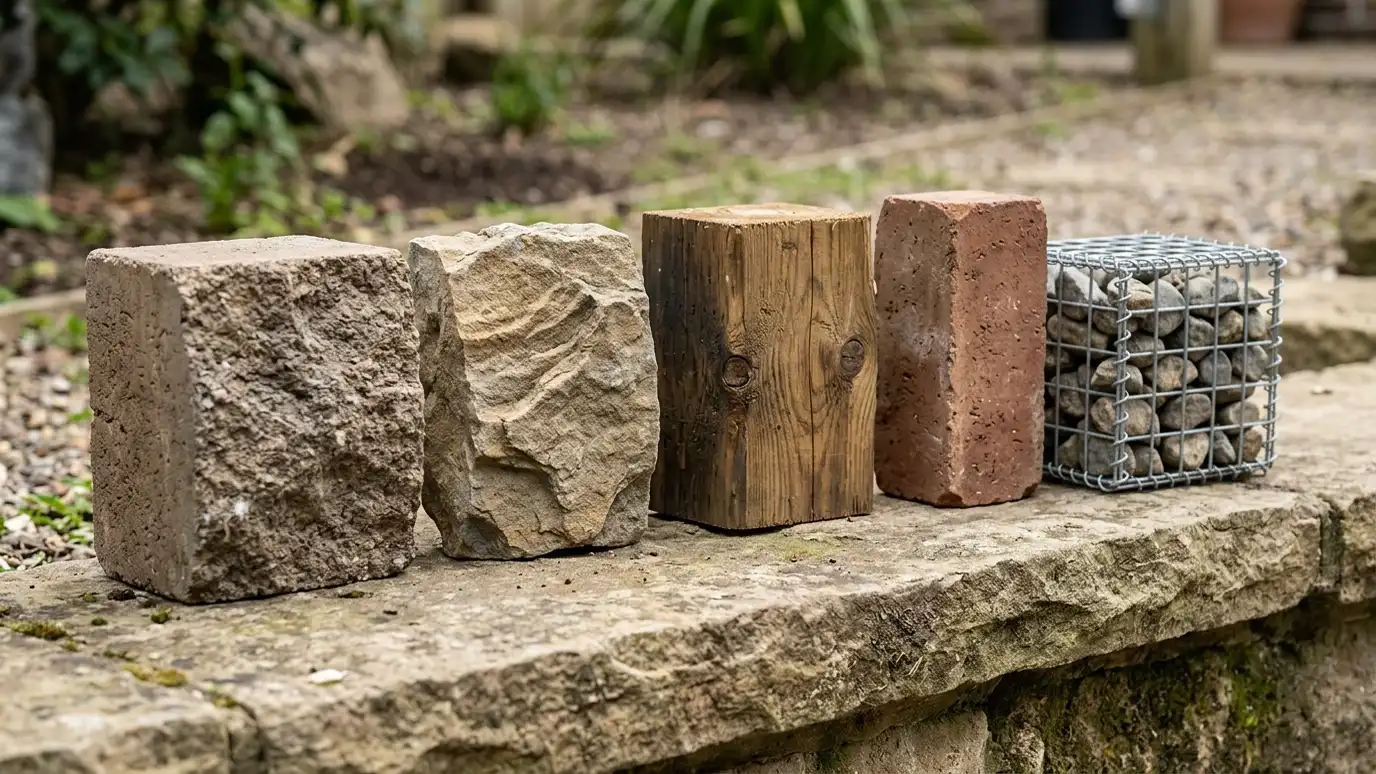 Comparison guideWall Materials ComparedSegmental block, poured concrete, natural stone, boulders, timber, brick and gabions compared by look, strength, drainage and care.Learn more
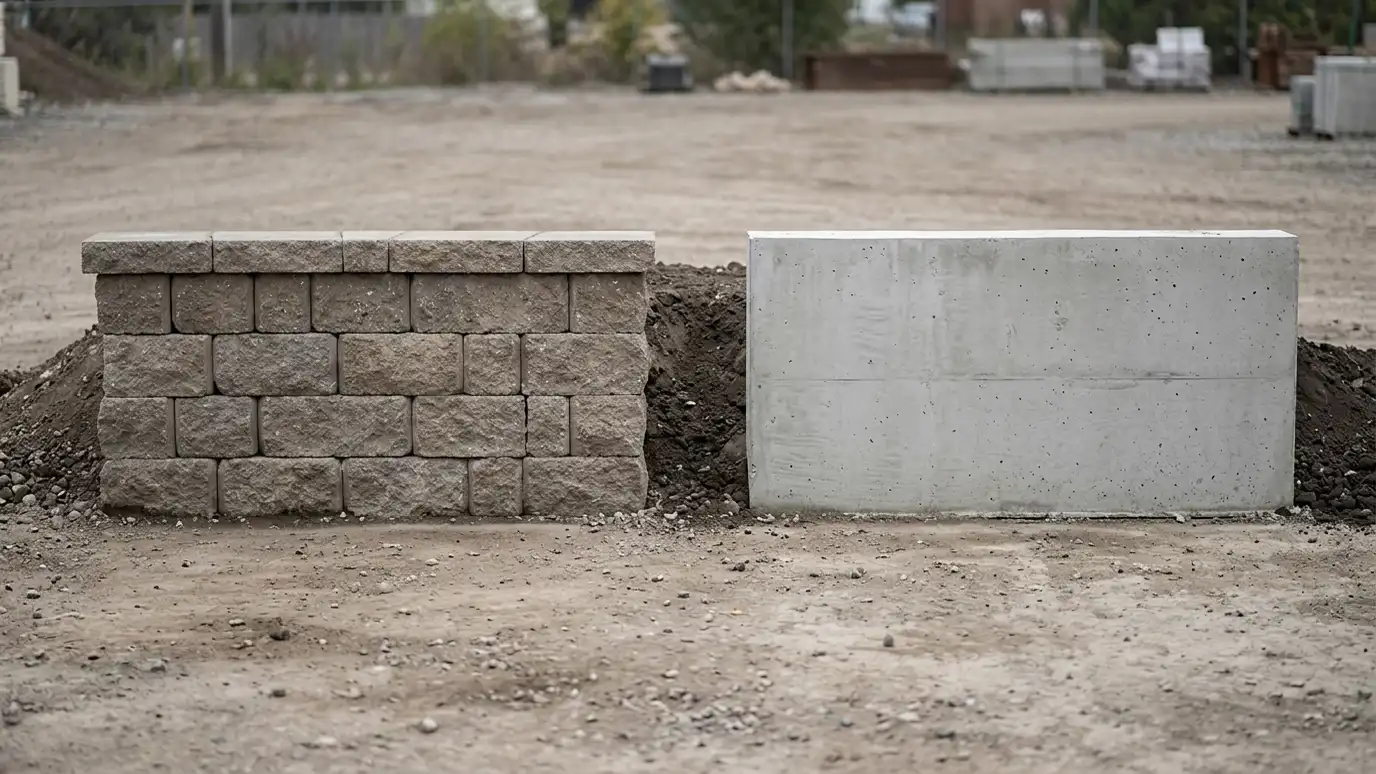 Comparison guideBlock vs Poured ConcreteInterlocking block walls and cast-in-place concrete walls compared by height, speed, flexibility, finish and repair.Learn more
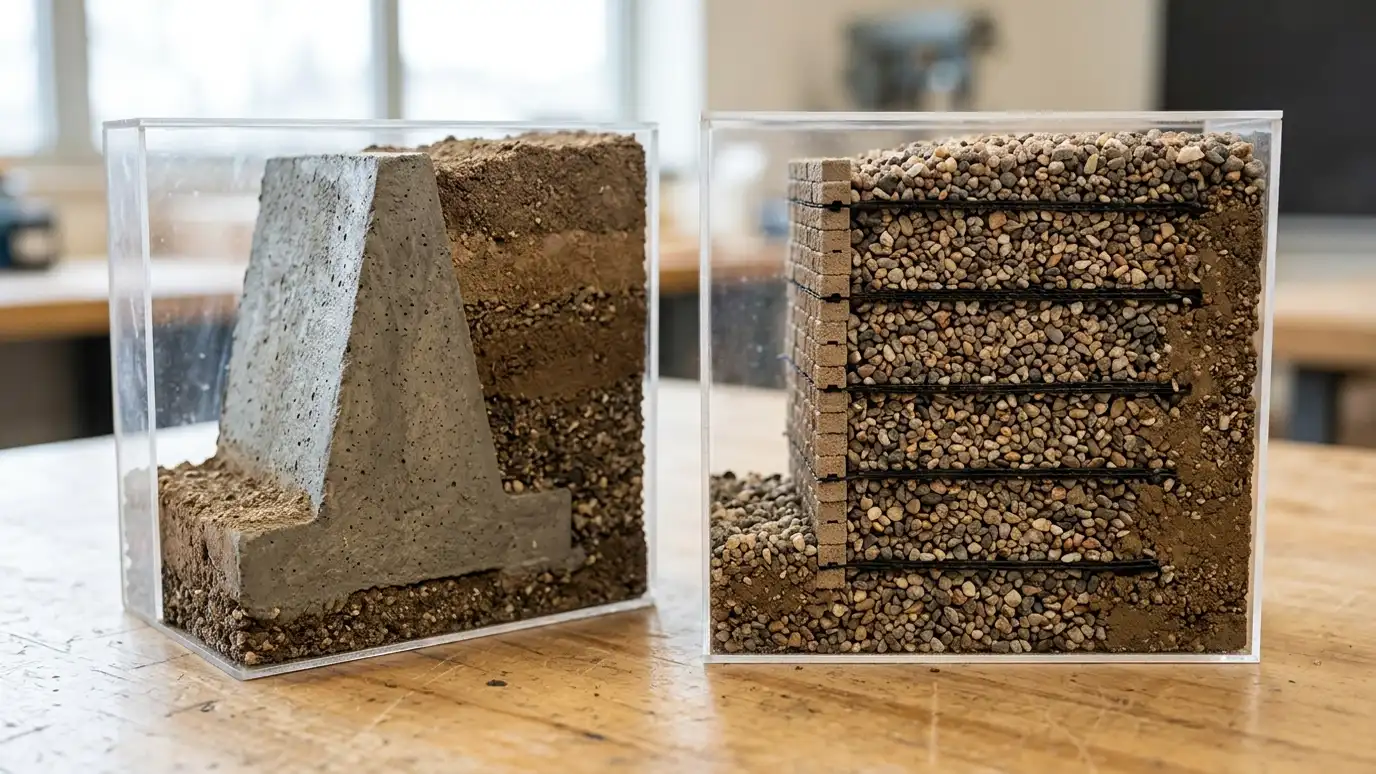 Comparison guideGravity vs Reinforced WallsWalls that resist soil with their own weight compared with walls that tie into reinforced soil, by height…Learn more
Pick a wall type, set the size and add extras to see a ballpark planning range. Placeholder values only.
You tell us what is wrong or what you want to build, and we set a visit that fits your day.
We walk the site, measure heights and lengths, look at soil and water paths and talk through what you want the space to do.
You receive a plain written scope with materials, drainage, engineering needs and the schedule before work begins.
We locate utilities, stake the wall line, excavate and build a compacted base that will carry the wall.
We build the wall course by course, add reinforcement as designed, install drains and place and compact clean backfill.
We add caps, steps and planting, clean up, restore the site and walk through the finished wall with you.
Properly designed gabion walls hold significant soil. Taller walls need engineering.
Baskets use coated or galvanized wire made for the environment.
Soil blows into voids over time and plants can establish.
Clean, hard stone sized to the openings. We show options.
Yes, with proper design they stabilize banks while letting water pass.
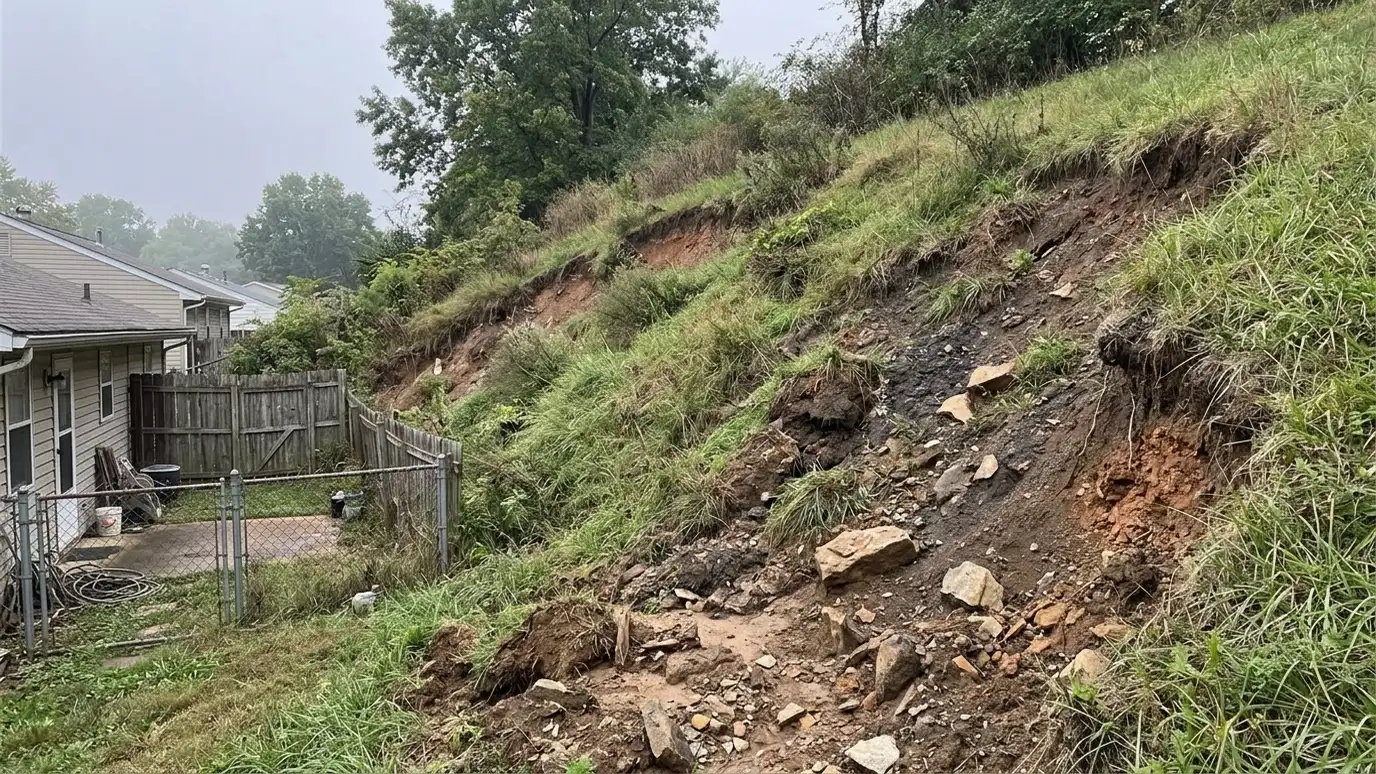
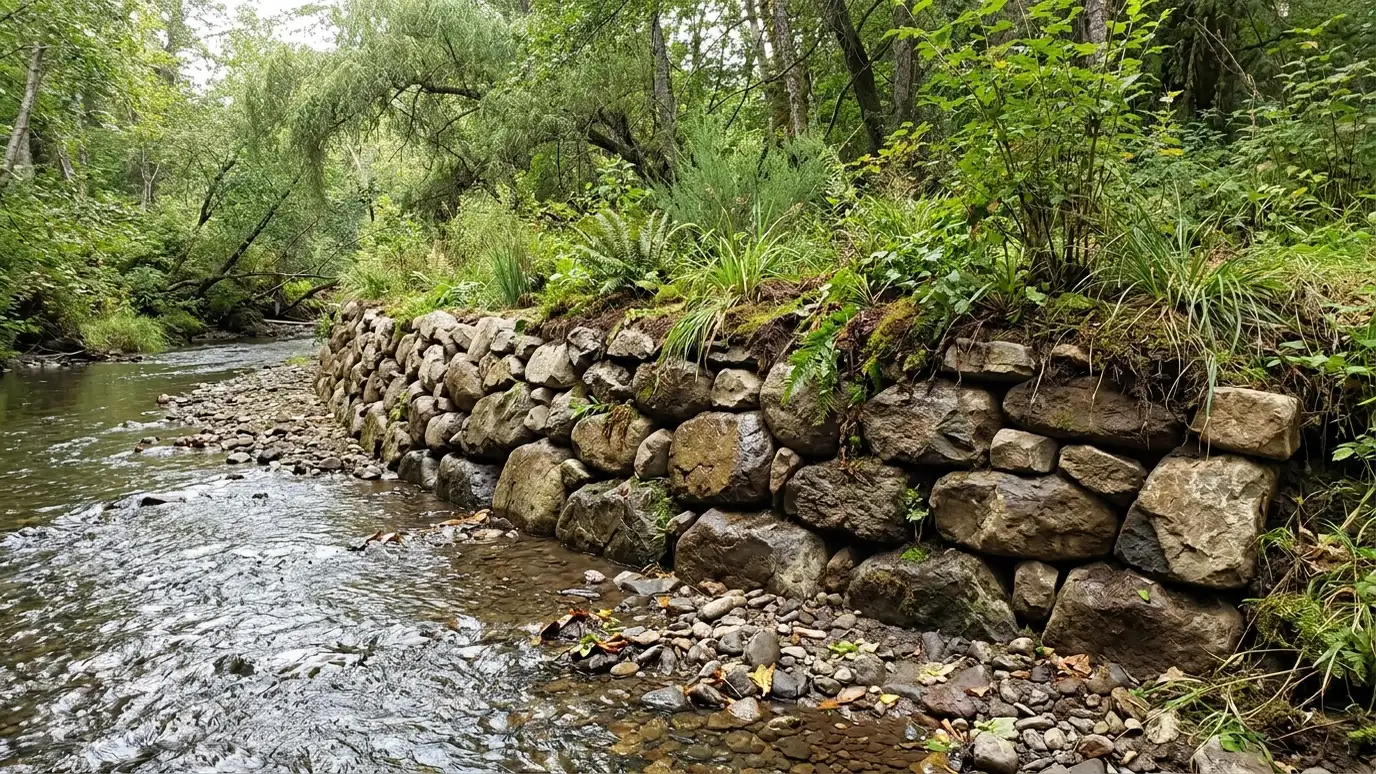 Creek and Streambank WallsStone, boulder and gabion walls that protect banks from erosion and handle fast water.Explore
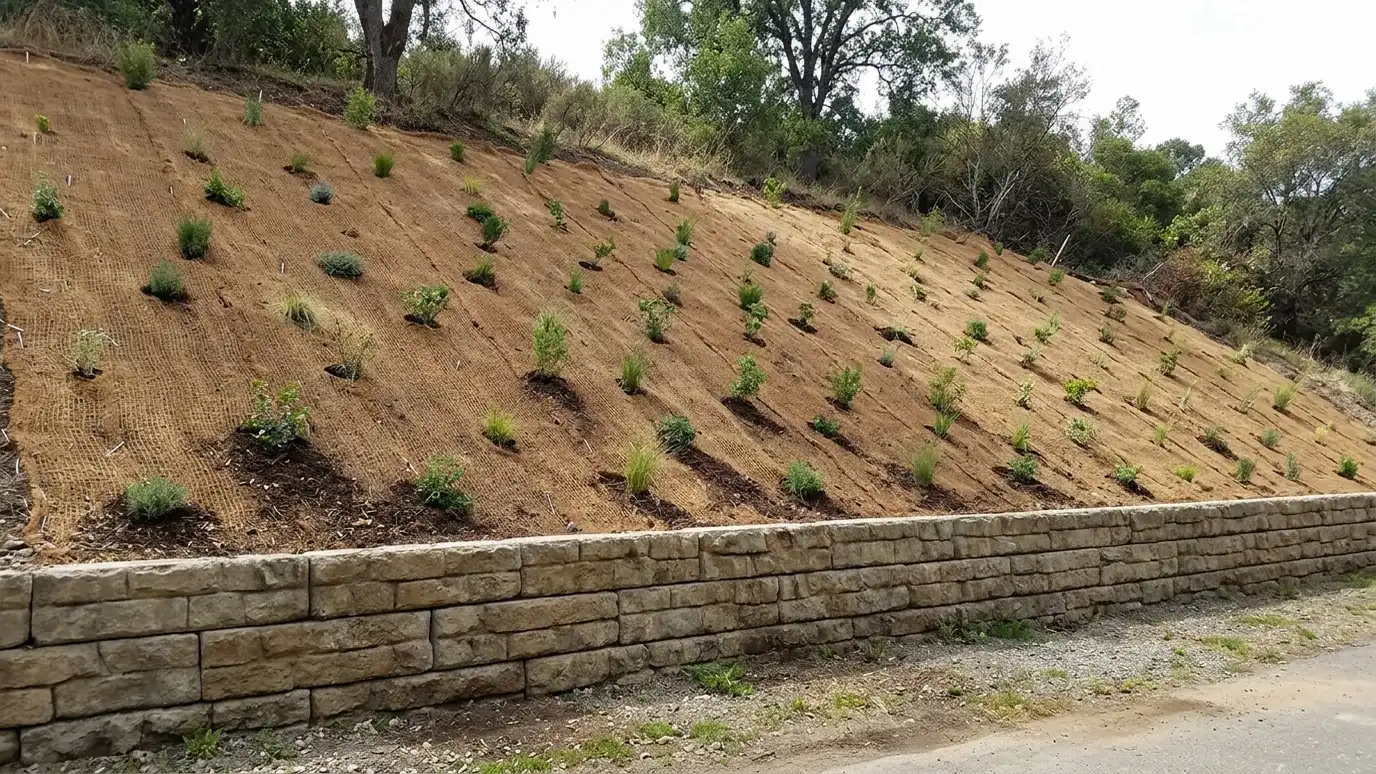 Erosion Control and Slope StabilizationWalls, matting, stone, plantings and drainage that stop soil loss on slopes, banks and construction sites.Explore
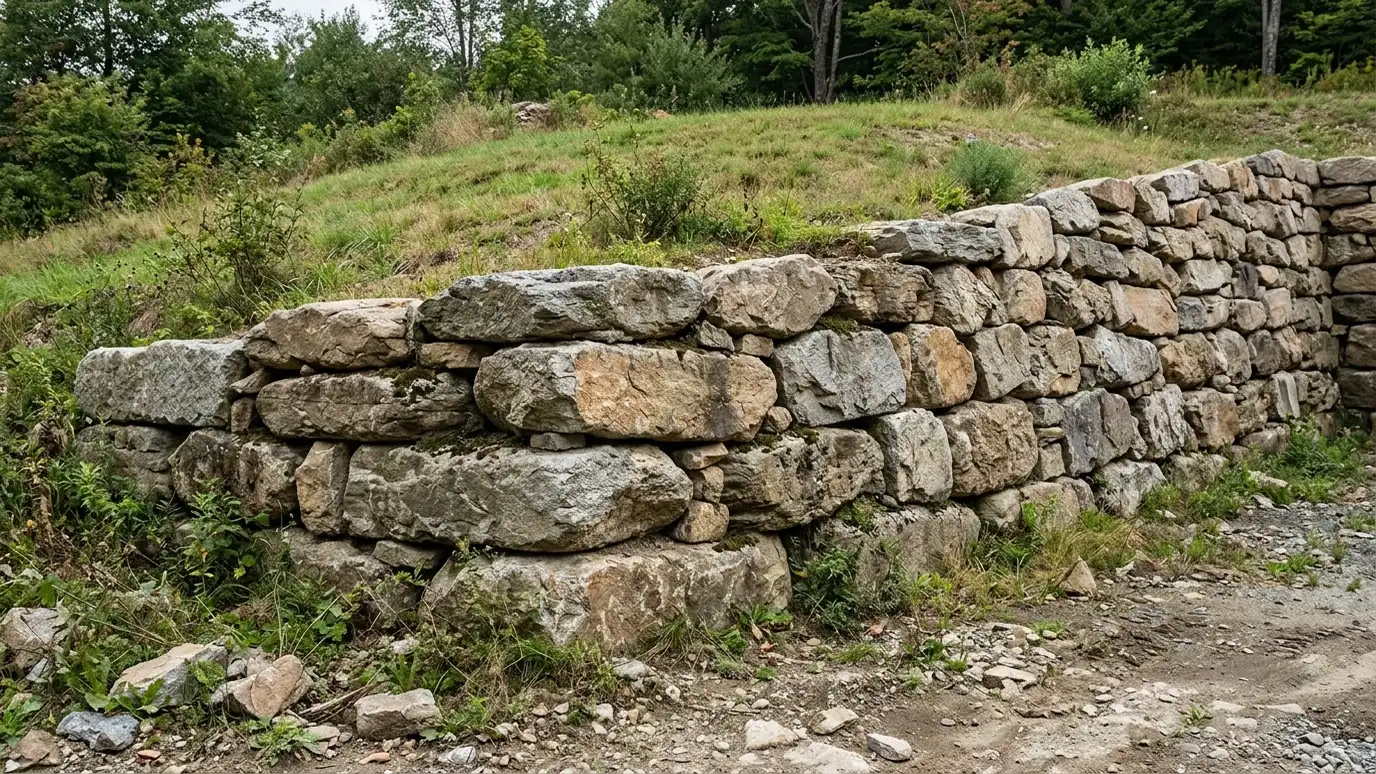 Gravity Retaining WallsThick, heavy walls of stone, block or concrete that resist soil pressure with their own weight, ideal for…Explore
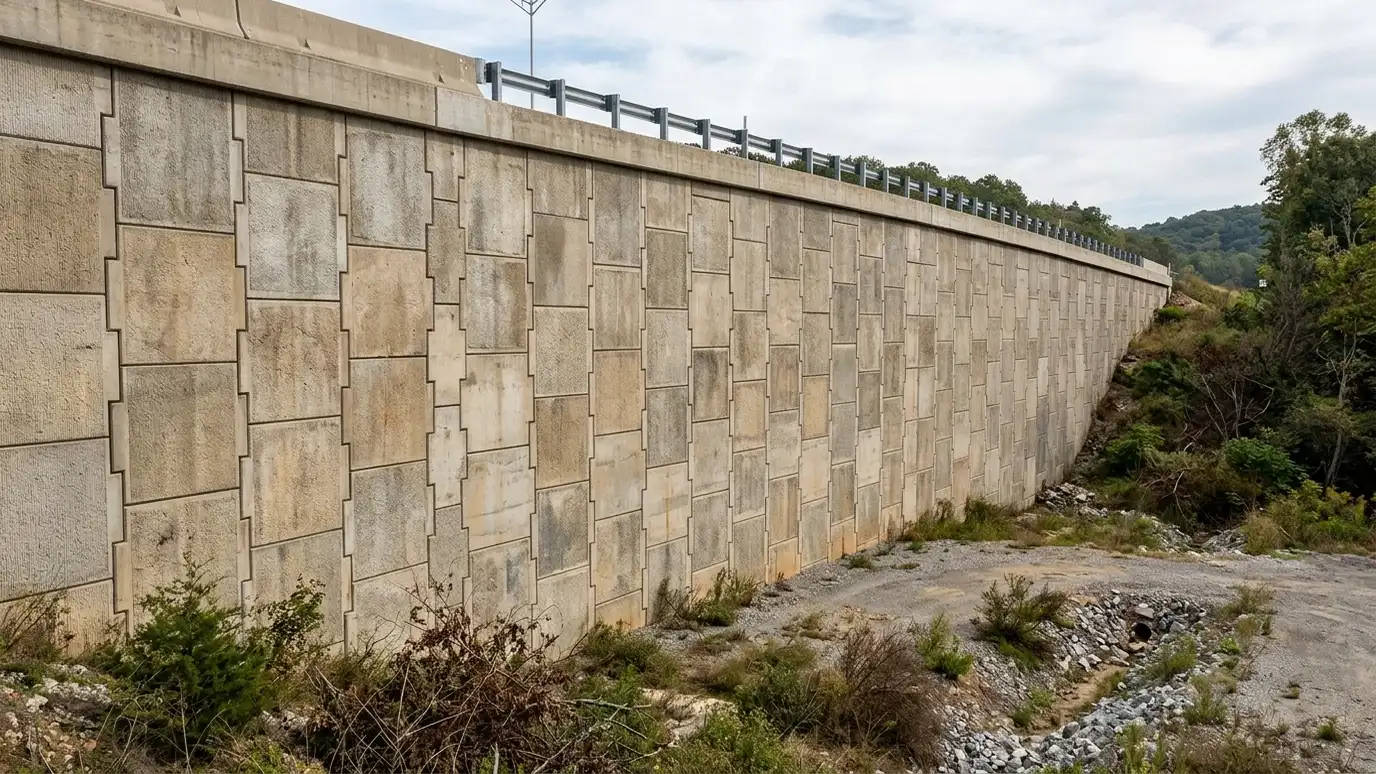 Mechanically Stabilized Earth WallsReinforced soil walls using layers of geogrid or steel strips with facing panels or blocks, for tall and…Explore
Tell us about your project and we will call you back to set up a visit.
Or call (615) 357-7797 to talk now.