Segmental block
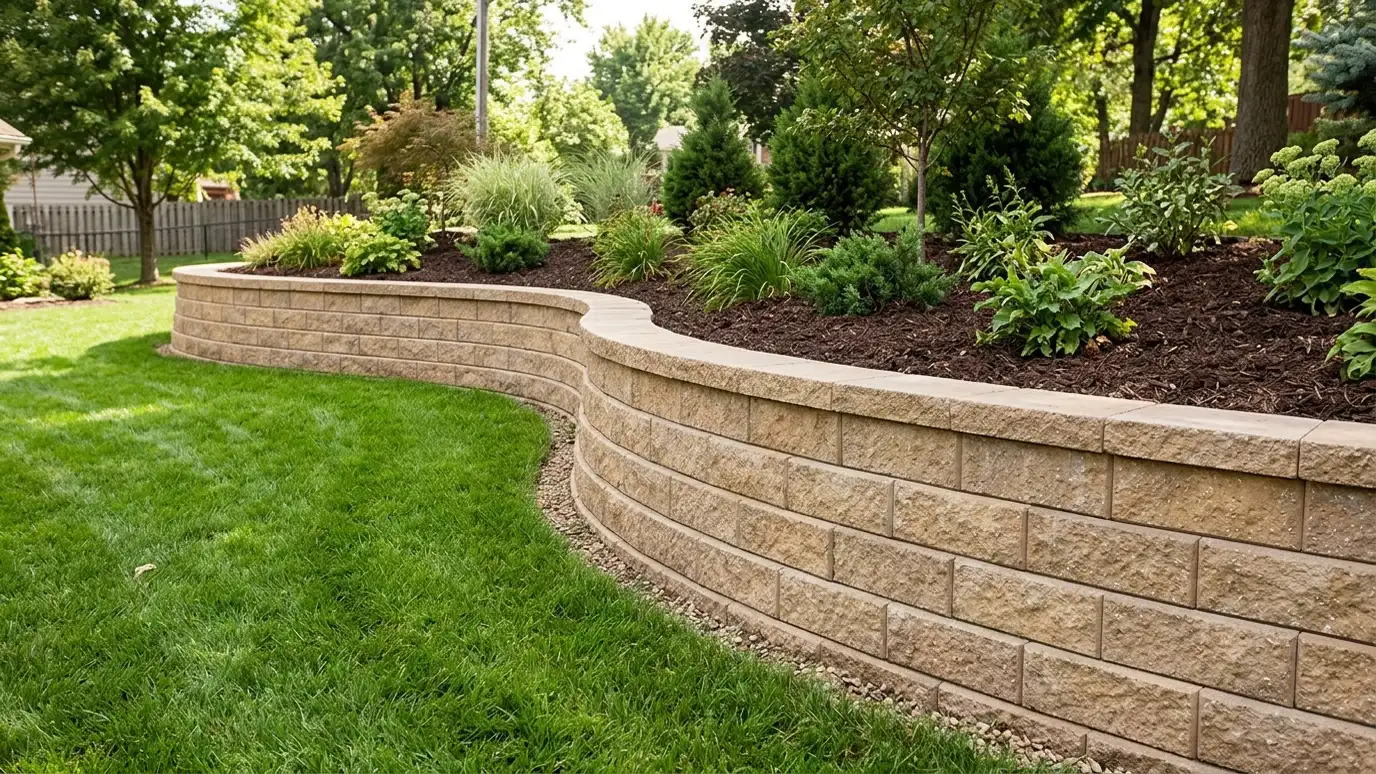
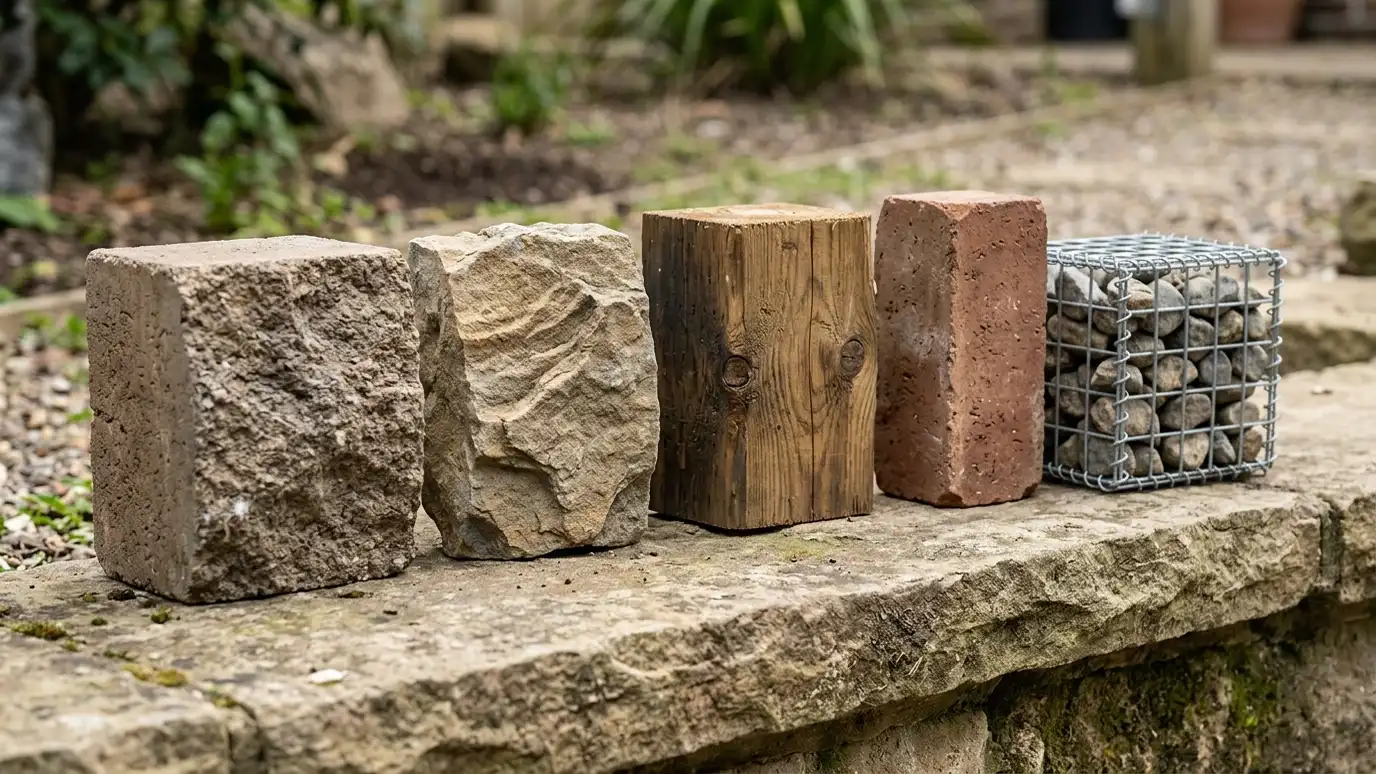
Interlocking concrete units that stack without mortar. They come in many colors and textures and can curve and step.
With geogrid, block walls reach taller heights.
Repairs can often be done in sections.
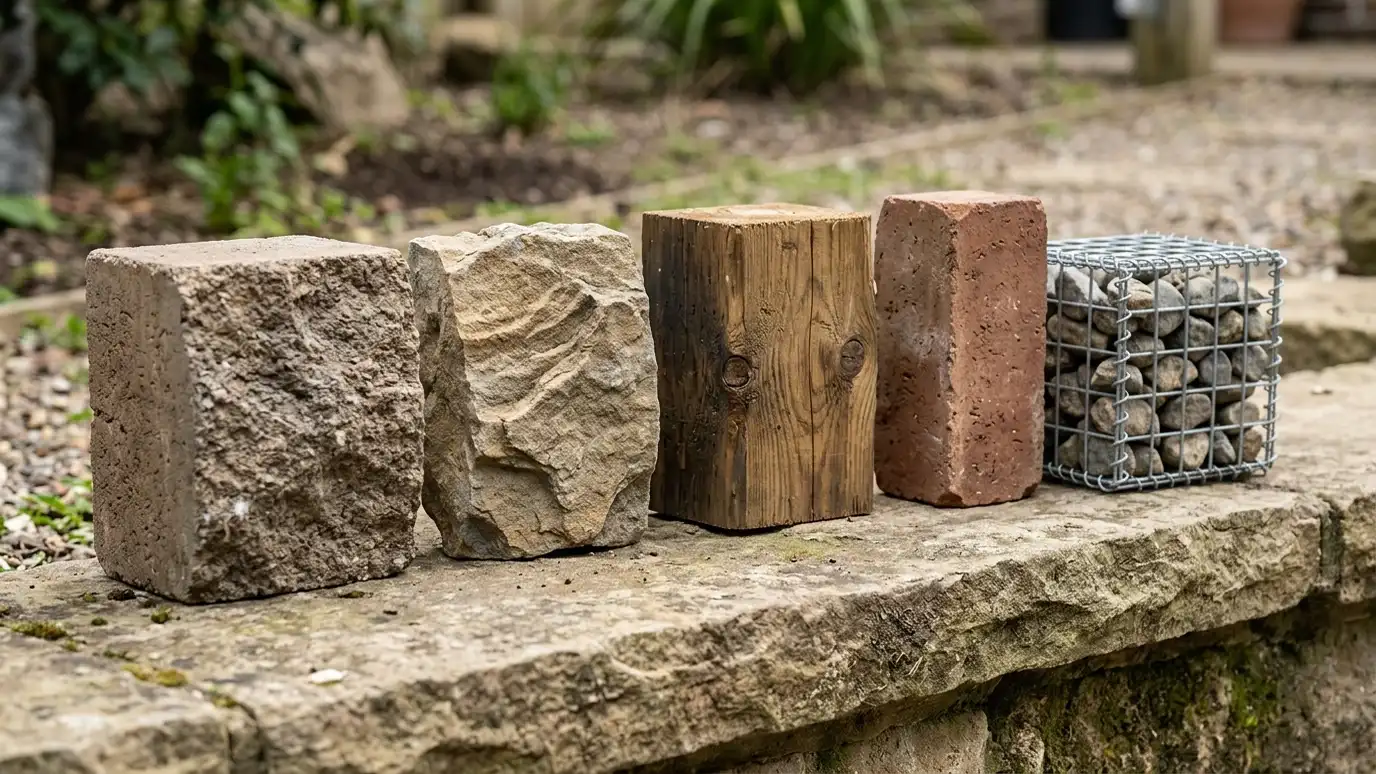
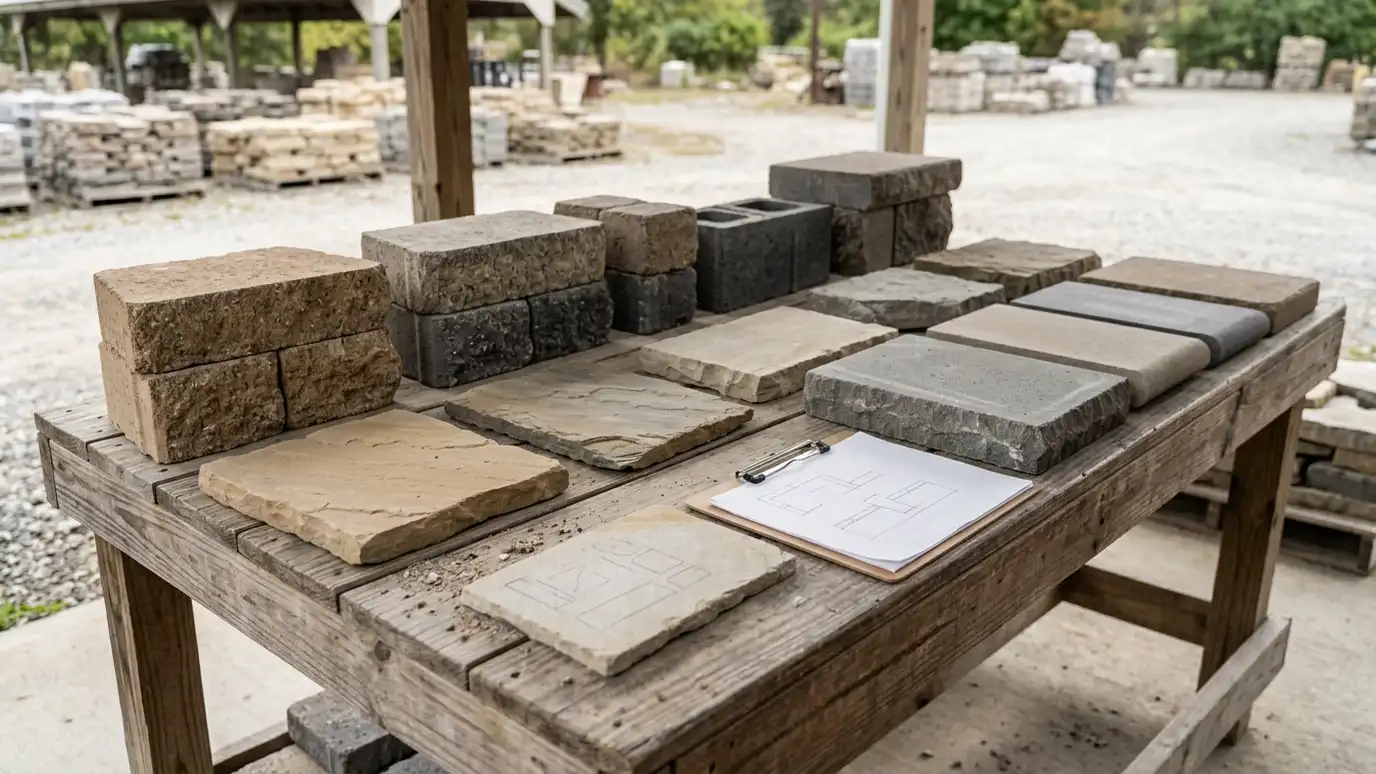
Ask to see block samples stacked, not just single pieces. A stacked sample shows joints, texture and color variation the way the wall will look.
Poured concrete
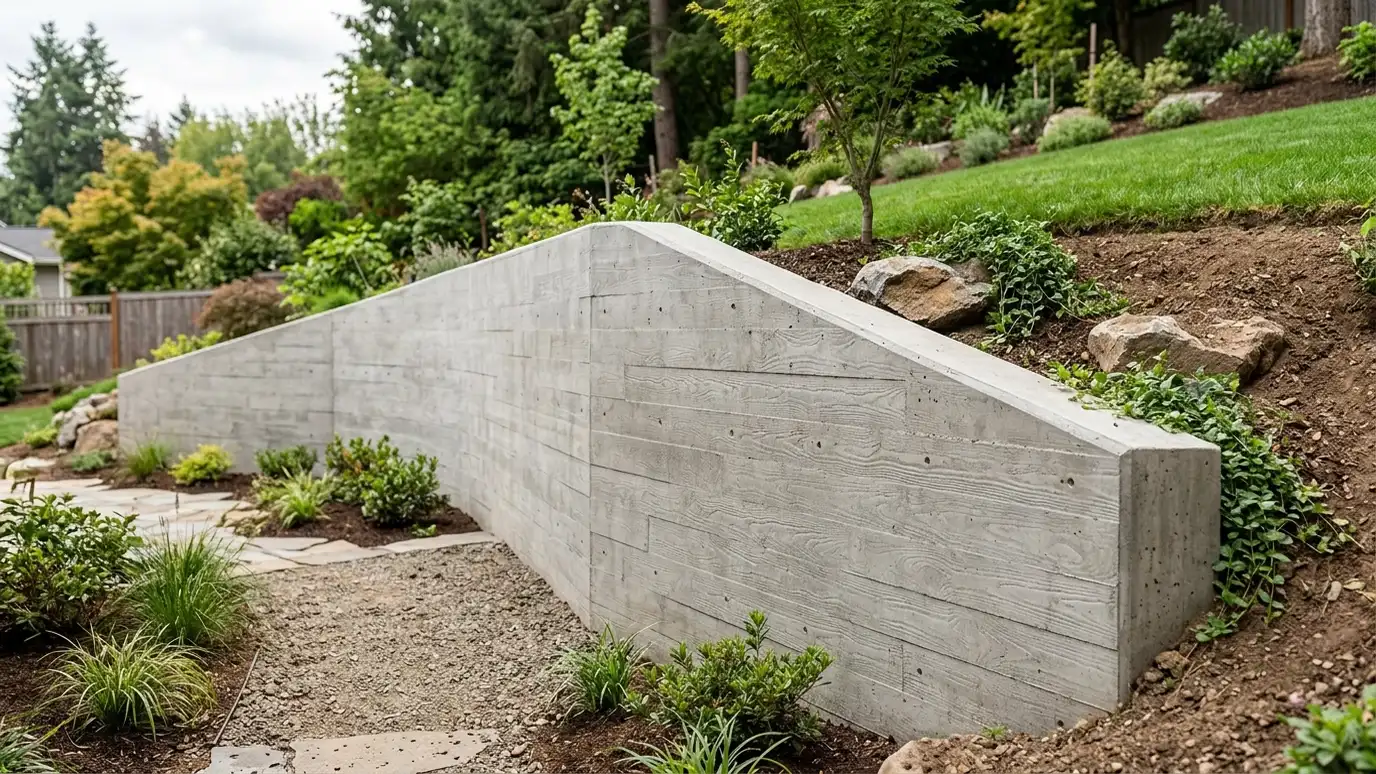
Reinforced concrete forms a strong, solid wall that suits tall or tight sites. Finishes include smooth, board-formed, stained and veneered.
Forms and curing add time.
Cracks are controlled with joints.
Poured walls can be finished many ways. Ask about stain, texture and veneer so the structure and the look can be planned together.
Natural stone and boulders
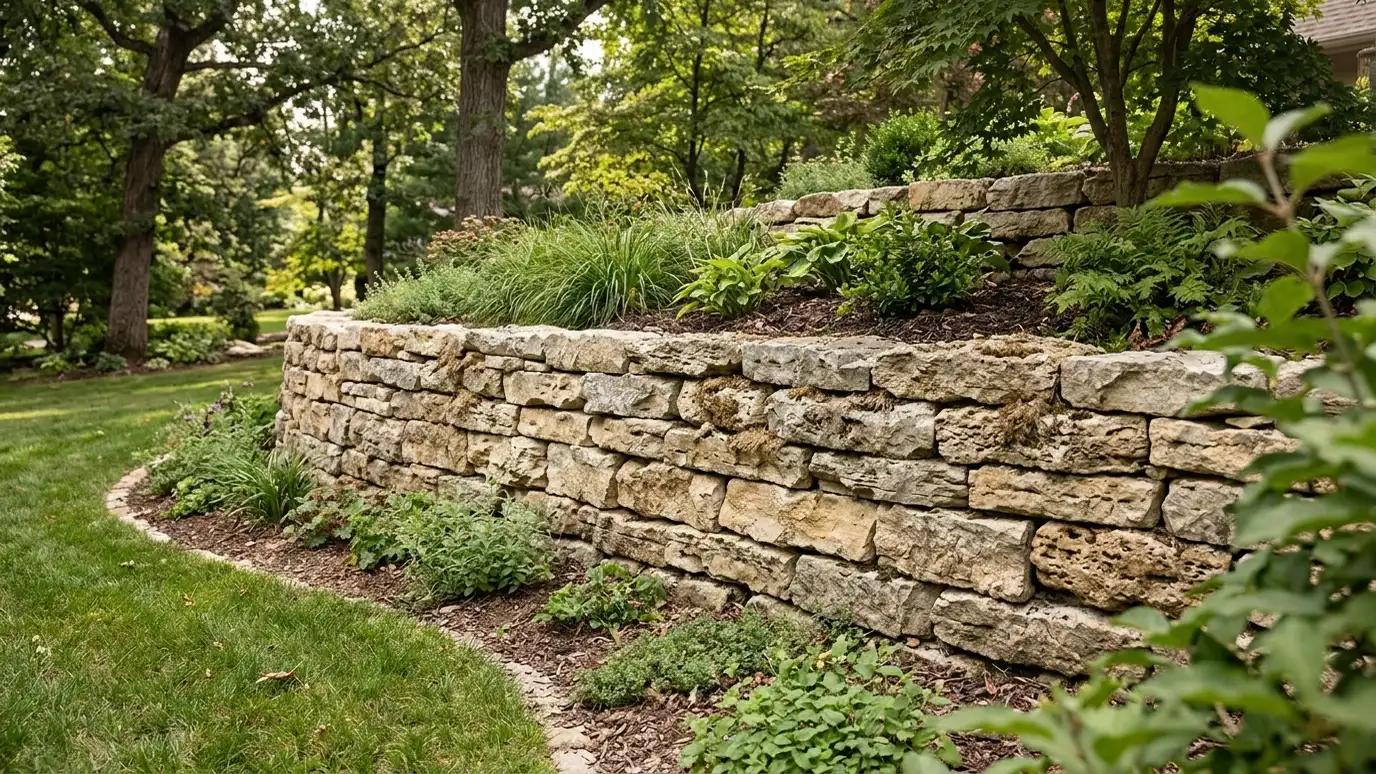
Stone brings authentic character and long life when well fitted. Boulders are rugged and good for slopes and creeks.
Both need skilled work and a solid base.
They suit native landscapes.
Visit a stone yard if you can. Seeing real stone in daylight, with its color and variation, helps you choose with confidence.
Timber and brick
Timber is simple and warm for short walls but has a shorter life. Brick matches traditional homes and needs mortar and footings.
Both need drainage.
Each suits particular settings.
If you are considering timber, ask about the expected life in your conditions and what the replacement plan might be. Honest answers help you decide.
Gabions and precast
Gabions are stone-filled baskets that drain freely. Precast large blocks are fast and strong with machinery.
Both suit larger or industrial sites.
Engineering is common.
For larger or industrial sites, ask about delivery and equipment needs for precast and large block. Planning access early prevents delays.
How to choose
Consider height, loads, soil, access, style and care. Ask for samples and see them in your light.
A good contractor compares materials honestly and explains tradeoffs.
Our material quiz can help you narrow choices.
Narrow your choices to two materials, then compare them on your site with samples and a sketch. A short list makes the final decision easier.
Choose the material that fits your wall height, loads, style and care preferences, and always plan drainage.